
Soccer After 40: Keep Playing the Game That Won't Let You Go
Why the injuries cluster at sprint moments, the two exercises that change the math, and the honest case for over-40 leagues
Updated October 20262 minute read
Soccer after 40 is absolutely playable — the injuries just concentrate where speed lives: hamstrings and calves at sprint moments, with the Achilles joining the conversation. The protection is boringly specific: a real warm-up, Nordic and Copenhagen strength work year-round, midweek fitness so match day isn't a weekly load spike, and honest minutes management. Most 40+ soccer injuries are preventable load problems, not age sentences.
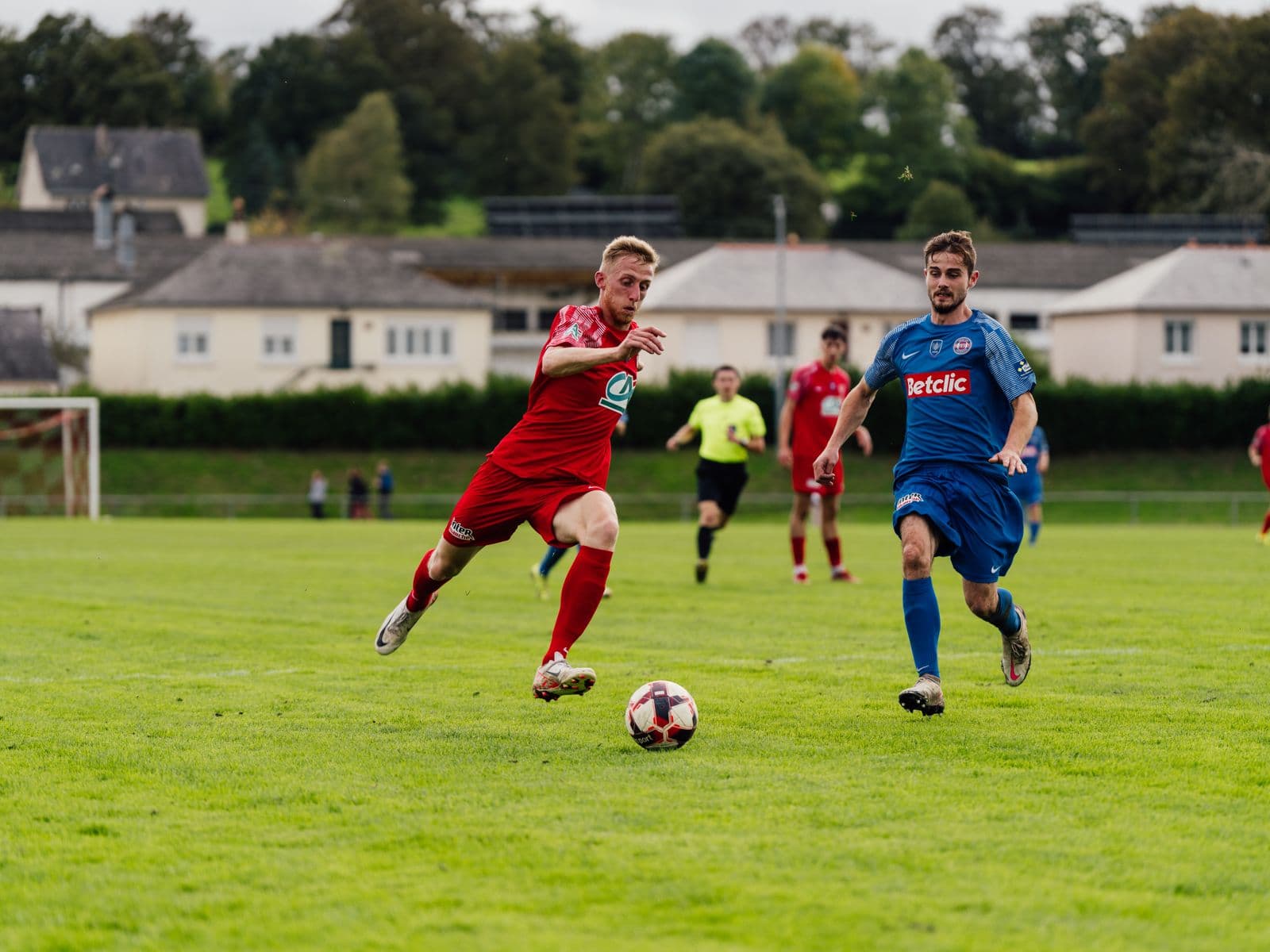
The game that won't let you go
Soccer people don't retire; they just keep finding games. And the good news is the game holds up well past 40 — the fitness, the touch, and the reading of play all age gracefully. What ages less gracefully is tolerance for maximal sprinting, and that's exactly where the over-40 injury story concentrates.
What actually changes
Hamstrings and calves lose speed-tolerance first. The 40+ player's classic injuries — the hamstring grab chasing a through-ball, the calf that "took a kick" when nobody was near you — happen at sprint moments, not jogging ones. Muscle-tendon tissue that isn't regularly exposed to speed loses the capacity to absorb it, while your brain still remembers exactly how to hit top gear.
The Achilles enters the chat. Decades of use plus sudden push-offs make Achilles tendinopathy a regular 40+ companion — it likes load and hates spikes, so it rewards the same habits everything else on this page does.
Recovery stretches out. The match that used to cost you a day now costs two. That's not weakness; it's scheduling information.
What actually protects
- The warm-up, done properly. The injury-prevention warm-up isn't a youth-team formality — the trial evidence behind it is the best injury-prevention data in sports, and it matters more with every birthday. Fifteen minutes, every match and training night.
- Nordics and Copenhagens, year-round. Hamstring and groin strength work is the closest thing soccer has to injury insurance — the strength guide turns it into two short sessions a week.
- Midweek load, so match day isn't a spike. A run, a gym session, a casual kickabout — anything that keeps Saturday from being your only sprint exposure of the week.
- Minutes management without shame. Starting on the bench, splitting halves, subbing at 60 — the players still going at 50 are the ones who treated minutes as a budget at 42.
The formats that fit
Over-40 leagues, 7v7, and futsal aren't the retirement home — they're load management disguised as formats. Smaller pitches mean fewer maximal sprints per match while keeping everything that makes soccer soccer. The same long-game logic applies across sports — see tennis after 50 and pickleball after 50 — but soccer's version is sprint-shaped.
When a PT check earns its fee
Before the season if last season ended with an injury or this one starts after months off; promptly for any hamstring "grab," a calf that keeps tightening at speed, or a niggle surviving two weeks of sensible modification (the traffic-light rules). A cash-pay evaluation runs $125–$250 ($175–$275 in the Bay Area; what PT costs), usually ends with a modified plan rather than a stop order, and here's how to find a PT who knows the game. Bay Area players can browse soccer-friendly PTs by region.
Frequently asked questions
Sources (5)
- Hammes D, et al. Injury prevention in male veteran football players — a randomised controlled trial using 'FIFA 11+'. J Sports Sci. 2015. — J Sports Sci
- Alfredson H, et al. Heavy-load eccentric calf muscle training for the treatment of chronic Achilles tendinosis. Am J Sports Med. 1998. — AJSM
- Ekstrand J, et al. Epidemiology of muscle injuries in professional football (soccer). Am J Sports Med. 2011. — AJSM
- Petersen J, et al. Preventive effect of eccentric training on acute hamstring injuries in men's soccer: a cluster-randomized controlled trial. Am J Sports Med. 2011. — AJSM
- Lauersen JB, et al. The effectiveness of exercise interventions to prevent sports injuries: systematic review and meta-analysis. Br J Sports Med. 2014. — BJSM
This article is for education only and isn't medical advice. Always talk to a licensed clinician about your specific situation.