
Soccer Load Management: Why the Weekend Match Breaks Weekday Bodies
The sprint-load math behind most hamstring and groin injuries — and the midweek habit that fixes it
Updated October 20262 minute read
Nothing a casual player does between matches loads the body like a match: repeated near-maximal sprints on a body that may not have sprinted since last Saturday. Most soccer injuries follow that gap — or a spike like preseason, a tournament weekend, or stacking pickup on top of league play. The fixes are unglamorous: midweek running and strength as the bridge between matches, minutes management as self-coaching, and one change at a time.
The gap, not the game
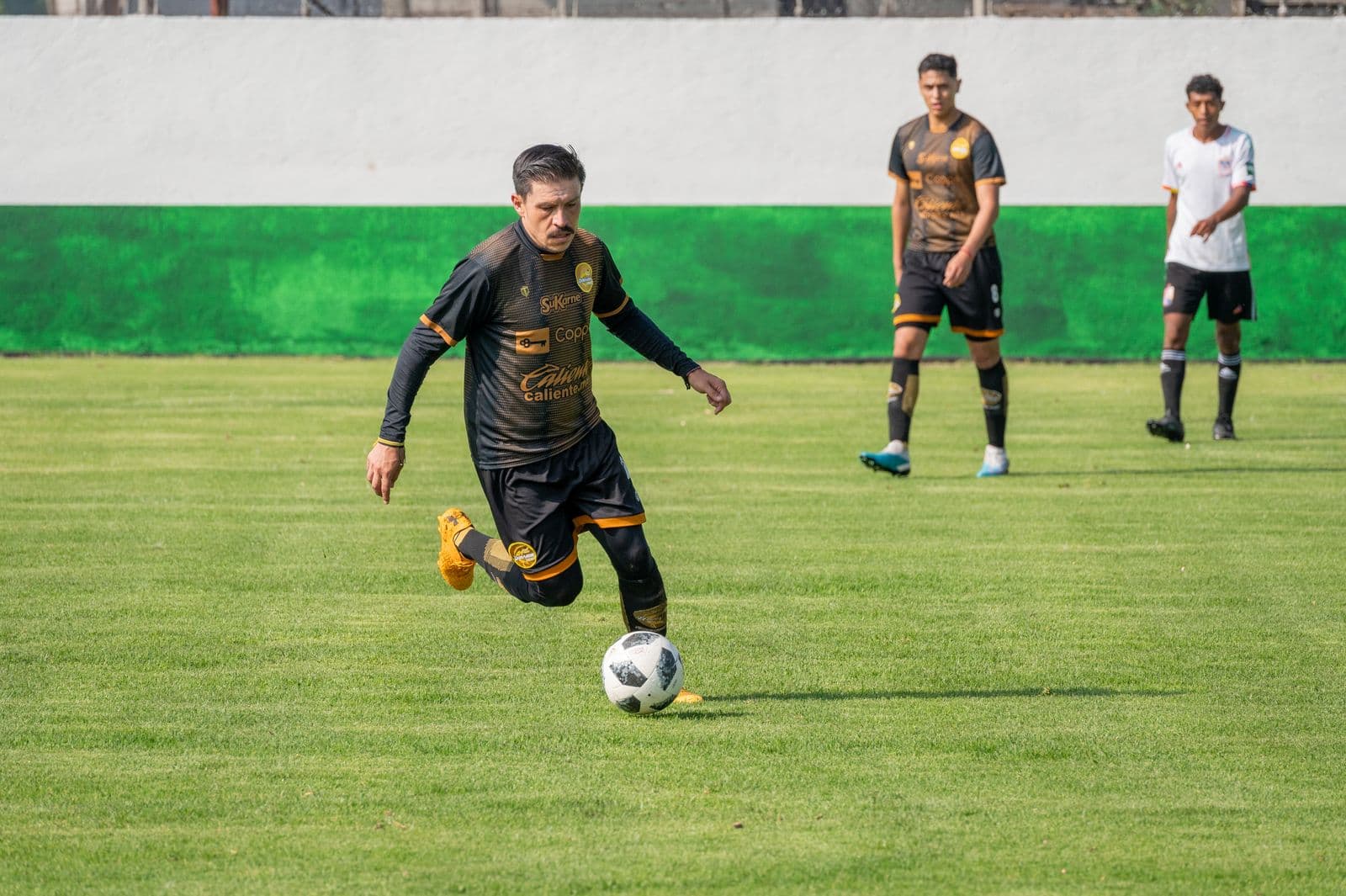
Ask what causes soccer injuries and most answers blame bad luck, age, or the other team's left back. The honest answer is usually arithmetic: match demands minus weekly preparation equals risk. A competitive match asks for repeated near-maximal sprints, hard decelerations, cuts, and duels. If the six days between matches contain none of those ingredients, every Saturday is a spike — the same math as a runner doubling their mileage in a week, just compressed into ninety minutes.
That's why the classic amateur injury story is so consistent: the deconditioned weekend warrior, first half going fine, one all-out chase in the 45th minute, and a hamstring that grabs mid-sprint.
The spikes that fill PT schedules
- Preseason. The first two weeks after a summer off produce more soft-tissue injuries than months of regular season. Ramp before the ramp: two weeks of running and strides before the first full training.
- Tournament weekends. Multiple matches per day is a month of load in 48 hours. Manage minutes like a coach would, even if you're your own coach.
- League stacking. Joining a second league — or adding weekly pickup on top of league play — doubles match load without doubling recovery. Add one, hold everything else steady, see how four weeks feel.
- The returning player. Back after years away, straight into full matches. The comeback deserves a graded return, even without an injury to blame.
The mental model that catches all of these: this week versus your recent normal — the same logic as tennis's version, with sprinting as the currency instead of swings.
Minutes management is self-coaching
Pros have staff watching their load; you have substitutions. Using them is a skill, not a weakness: split halves when you're building back, rotate off after a sprint-heavy stretch, take the holding role when the hamstring is one week post-niggle. Thirty good minutes beat ninety compromised ones — and beat four weeks of zero.
The midweek bridge
The protective habit that separates durable amateurs from recurring patients is boring: train a little, twice, between matches.
- One running session — mostly easy, finishing with 4–6 relaxed strides at 80–90% effort. This keeps sprinting familiar instead of a weekly shock.
- One strength session — the soccer menu: Nordics for hamstrings, Copenhagen work for the groin, single-leg strength for knees. Twenty to thirty minutes.
Add the structured warm-up before matches and you've assembled, for free, most of what professional medical staffs provide.
When the math already went wrong
Pain that tracks matches, a hamstring that talks at sprint speed, a groin that aches into Monday — the traffic-light rules map what's playable, and two failed weeks of modification earn an evaluation. Cash-pay, that's $125–$250 ($175–$275 in the Bay Area, what PT costs, often partly reimbursable via superbill). A PT who knows the sport will usually rebuild your week, not cancel your season — here's how to find one, and Bay Area players can browse soccer-friendly PTs by region.
Frequently asked questions
Sources (5)
- Gabbett TJ. The training-injury prevention paradox: should athletes be training smarter and harder? Br J Sports Med. 2016. — BJSM
- Dupont G, et al. Effect of 2 soccer matches in a week on physical performance and injury rate. Am J Sports Med. 2010. — AJSM
- Ekstrand J, et al. Epidemiology of muscle injuries in professional football (soccer). Am J Sports Med. 2011. — AJSM
- Williams S, et al. A review of football injuries on third and fourth generation artificial turfs compared with natural turf. Sports Med. 2011. — Sports Med
- Lauersen JB, et al. The effectiveness of exercise interventions to prevent sports injuries: systematic review and meta-analysis. Br J Sports Med. 2014. — BJSM
This article is for education only and isn't medical advice. Always talk to a licensed clinician about your specific situation.