
The Bay Area Skier's Guide to Physical Therapy
Cash-pay PT for the Tahoe weekend corridor — prices, the pattern, and how to pick
Updated October 20262 minute read
The Bay Area skis by commute: three to four hours to Tahoe on Friday, big vertical Saturday and Sunday, back at a desk Monday — and the region's PT clinics see the Monday-after-the-storm wave of knees, thumbs, wrists, and shoulders all winter. The rehab happens at home in the Bay, not on the mountain. Expect $175–$275 for an evaluation and $140–$220 per follow-up, with no referral needed under California direct access.
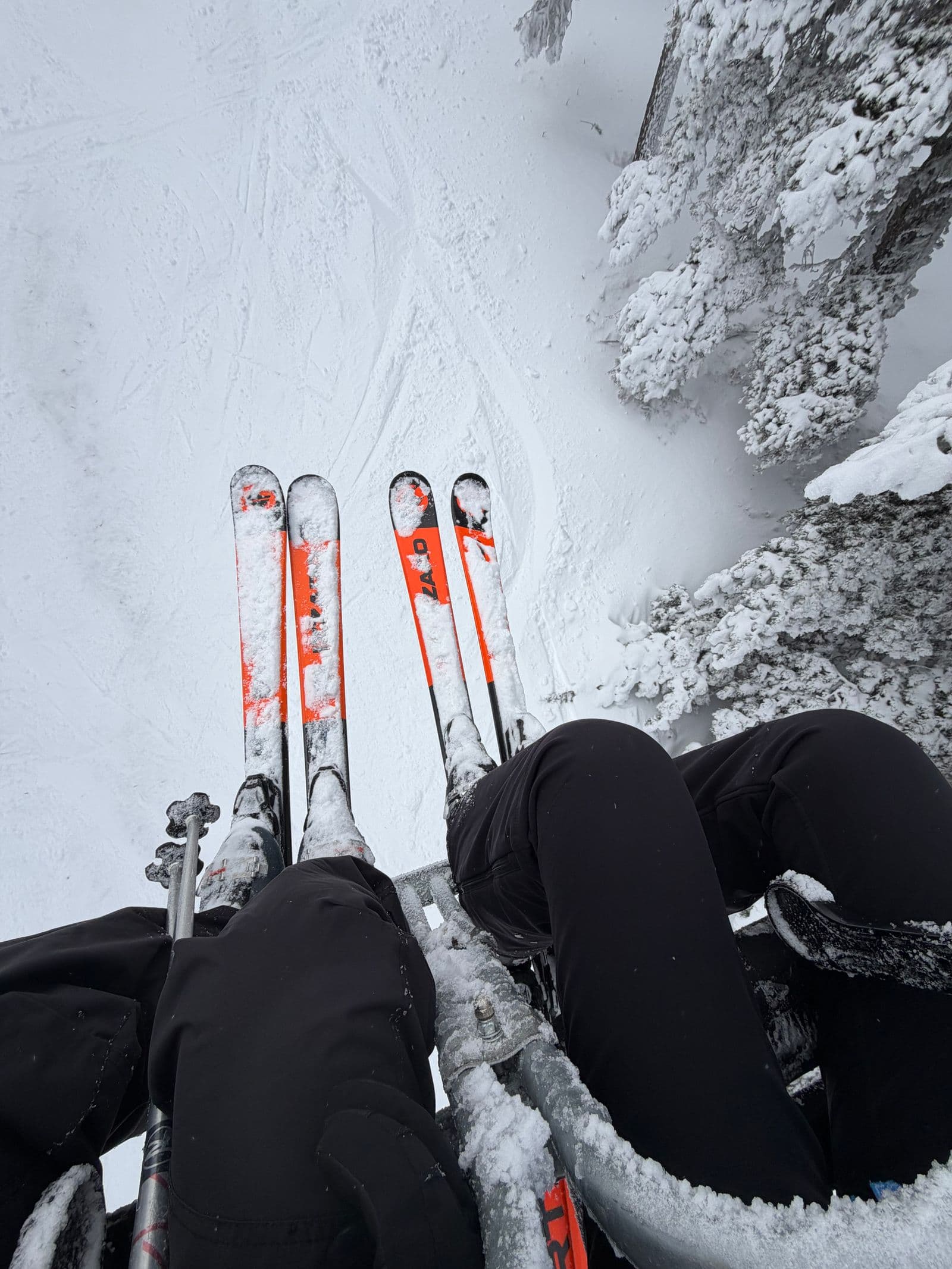
A ski town with a four-hour driveway
The Bay Area is one of the biggest ski markets in the country without owning a mountain: hundreds of thousands of skiers and riders, a Friday-night migration up I-80 and US-50, Epic and Ikon passes in every office, and race-program families organizing whole winters around Tahoe weekends. The skiing happens up there; the bodies come home. Every winter Monday, Bay Area clinics meet the weekend's knees, thumbs and wrists, shoulders, and backs.
That geography shapes the care: the mountain clinic handles the acute day, but the weeks of rehab — and the testing that decides when you're ready for snow again — happen at home in the Bay. California's direct access law means you can book that PT today, no referral required.
What ski PT costs here
Bay Area cash-pay prices sit at the top of the national range:
- Initial evaluation: $175–$275 (usually 60–75 minutes, one-on-one)
- Follow-up sessions: $140–$220 for a one-on-one hour
- A typical MCL, shoulder, or back episode: 6–10 visits
- ACL rehab: honestly longer — months of work and a testing day before the mountain
Most cash-pay clinics provide superbills on request — if your plan has out-of-network benefits, you'll typically recover a meaningful chunk. How reimbursement works walks through it.
How to choose, by the skier you are
The weekend warrior: desk all week, 20,000 vertical feet on Saturday — the sport's classic injury recipe. Load management covers trip pacing and the fatigue math, and season prep is the cheapest insurance the sport sells.
The injured-and-impatient: a season deadline focuses the mind. The knee traffic-light rules tell you what's safe to ski on, and the vetting questions find a clinic that tests instead of guessing.
The over-40 regular: the legs are the lift ticket. Skiing after 40 covers the year-round maintenance contract.
Race families: Tahoe race programs train hard and young. The parents' guide covers growth plates, teen ACL risk, and the equipment questions worth asking.
Riders: snowboarding's ledger is different — wrists, shoulders, and ankles — and skiing vs snowboarding covers what that changes.
Book someone who tests before clearing
RightPT tracks cash-pay physical therapists across San Francisco, the East Bay, the Peninsula, the South Bay, and the North Bay — browse ski & snowboard-friendly PTs by region, compare specialties and prices, and book directly with no referral.
Frequently asked questions
Sources (6)
- Physical Therapy Board of California. Direct access to physical therapist services (Business and Professions Code §2620.1). — PTBC
- APTA. Direct Access by State: physical therapist direct access laws summary. — APTA
- Ardern CL, et al. 2016 Consensus statement on return to sport from the First World Congress in Sports Physical Therapy, Bern. Br J Sports Med. 2016. — BJSM
- IRS. Publication 502: Medical and Dental Expenses. — IRS
- MedlinePlus. Knee injuries and disorders. — MedlinePlus
- Lauersen JB, et al. The effectiveness of exercise interventions to prevent sports injuries: a systematic review and meta-analysis of randomised controlled trials. Br J Sports Med. 2014. — Br J Sports Med
This article is for education only and isn't medical advice. Always talk to a licensed clinician about your specific situation.