
Skiing vs Snowboarding: How the Two Sports Hurt Differently
Knees and thumbs on two planks, wrists and ankles on one — and what that means for prevention
Updated October 20262 minute read
The mountain charges different sports different taxes. Skiing concentrates injury at the knee — MCL and ACL sprains from edges that catch and bindings that hold — plus the thumb that jams into a pole grip. Snowboarding, with both feet locked to one board, spares the knees and spends wrists, shoulders, and ankles instead, with a famous trap: "snowboarder's ankle," a talus fracture that mimics a sprain and deserves imaging when a snowboard ankle won't settle. Knowing your sport's bill tells you what to train and when to worry.
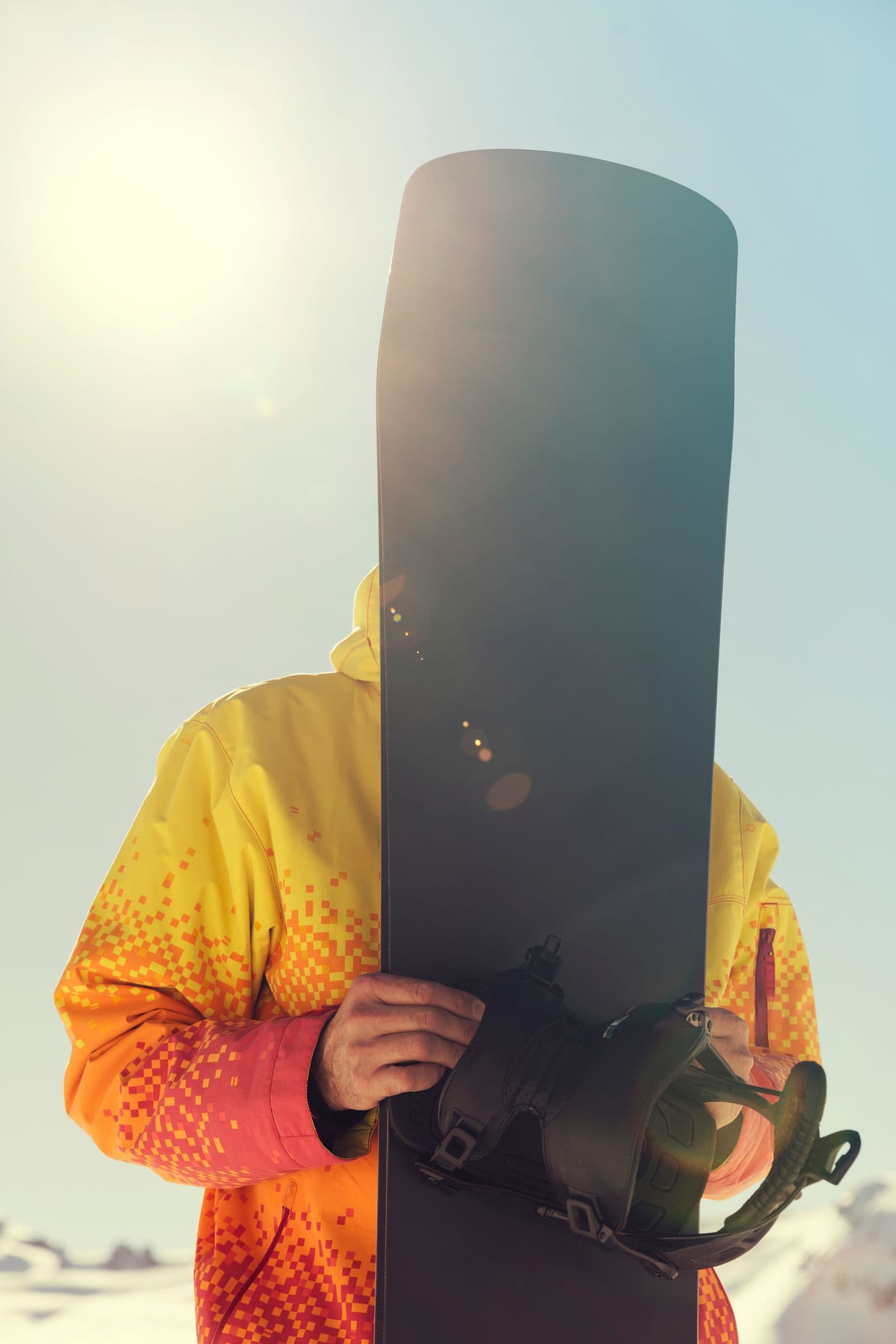
Two sports, two bills
Lock each foot to its own edge and give the body poles, and the mountain bills the knees and thumbs. Lock both feet to one board and take the poles away, and it bills the wrists, shoulders, and ankles. Decades of comparative injury data say the patterns are that clean — and knowing yours tells you what to train, what to wear, and which lingering pain deserves a scan.
The skier's bill: knees and thumbs
- MCL and ACL sprains dominate skiing's serious-injury column — the caught edge, the backseat recovery, the binding that held. The knee guide sorts the stories; the traffic-light rules say when to stop; and if the worst happens, the ACL return ladder is the honest road back.
- Skier's thumb — the pole-grip fall that sprains the thumb's ulnar ligament — is the sport's signature hand injury; the thumb and wrist guide covers why "just a jammed thumb" that stays weak needs assessment.
- Prevention that works: leg strength, fatigue honesty, bindings set and tested every season. The classic research on serious knee sprains showed technique and equipment habits move the risk — it was never pure luck.
The rider's bill: wrists, shoulders, ankles
- Wrists first — falls onto outstretched hands are snowboarding's everyday injury, concentrated brutally in beginners. Wrist guards are proven protection; learning to fall (forearms, fists closed, roll) is free protection.
- Shoulders — direct falls and reach-back landings drive dislocations and AC sprains; the shoulder guide covers both sports' versions.
- "Snowboarder's ankle" — the lateral-process talus fracture — is the trap worth memorizing: it feels like an ankle sprain, X-rays often miss it, and a snowboard ankle still unhappy weeks after a fall deserves imaging, not more taping. Ordinary sprains, by contrast, rehab best with early loading and balance work.
- The beginner spike: first-week riders get hurt at the highest rates on the mountain. Lessons, wrist guards, and soft-snow days are the evidence-approved on-ramp.
Shared bills
Both sports pay for fatigue (the end-of-day injury run), icy conditions, and seasons attempted without preseason legs. Both deserve the load-management logic of a Tahoe weekend sport: ramp in, recover mid-trip, end on a good run.
When something already hurts
A PT who knows snow sports will tell a skier's MCL from an ACL story, screen a stubborn snowboard ankle instead of taping it again, and build the return — here's how to find one, and what it costs without insurance (a superbill usually recovers part). Bay Area locals can browse ski and snowboard PTs across the region.
Frequently asked questions
Sources (5)
- Kim S, et al. Snowboarding injuries: trends over time and comparisons with alpine skiing injuries. Am J Sports Med. 2012. — AJSM
- Kirkpatrick DP, et al. The snowboarder's foot and ankle. Am J Sports Med. 1998. — AJSM
- Russell K, et al. The effect of wrist guards on wrist and arm injuries among snowboarders: a systematic review. Clin J Sport Med. 2007. — Clin J Sport Med
- Johnson RJ, et al. Myths concerning alpine skiing injuries. Sports Health. 2009. — Sports Health
- ChoosePT (APTA). Physical therapy guide: ankle sprain. — ChoosePT
This article is for education only and isn't medical advice. Always talk to a licensed clinician about your specific situation.