
Shoulder Injuries on the Mountain: Dislocations, AC Sprains & Cuff Trouble
What a hard snow fall does to shoulders — and why the first dislocation is a decision point, not just an event
Updated October 20262 minute read
Snow falls load shoulders three ways: dislocations (the ball levered out of its socket — an on-mountain emergency with a big decision afterward, because young athletes redislocate at high rates), AC joint sprains (the "separated shoulder" from landing directly on the point of the shoulder — mostly rehab, not surgery), and rotator cuff injuries (weakness and night pain after a fall, more common over 40). All three deserve assessment; they differ completely in what happens next.
Why snow falls find shoulders
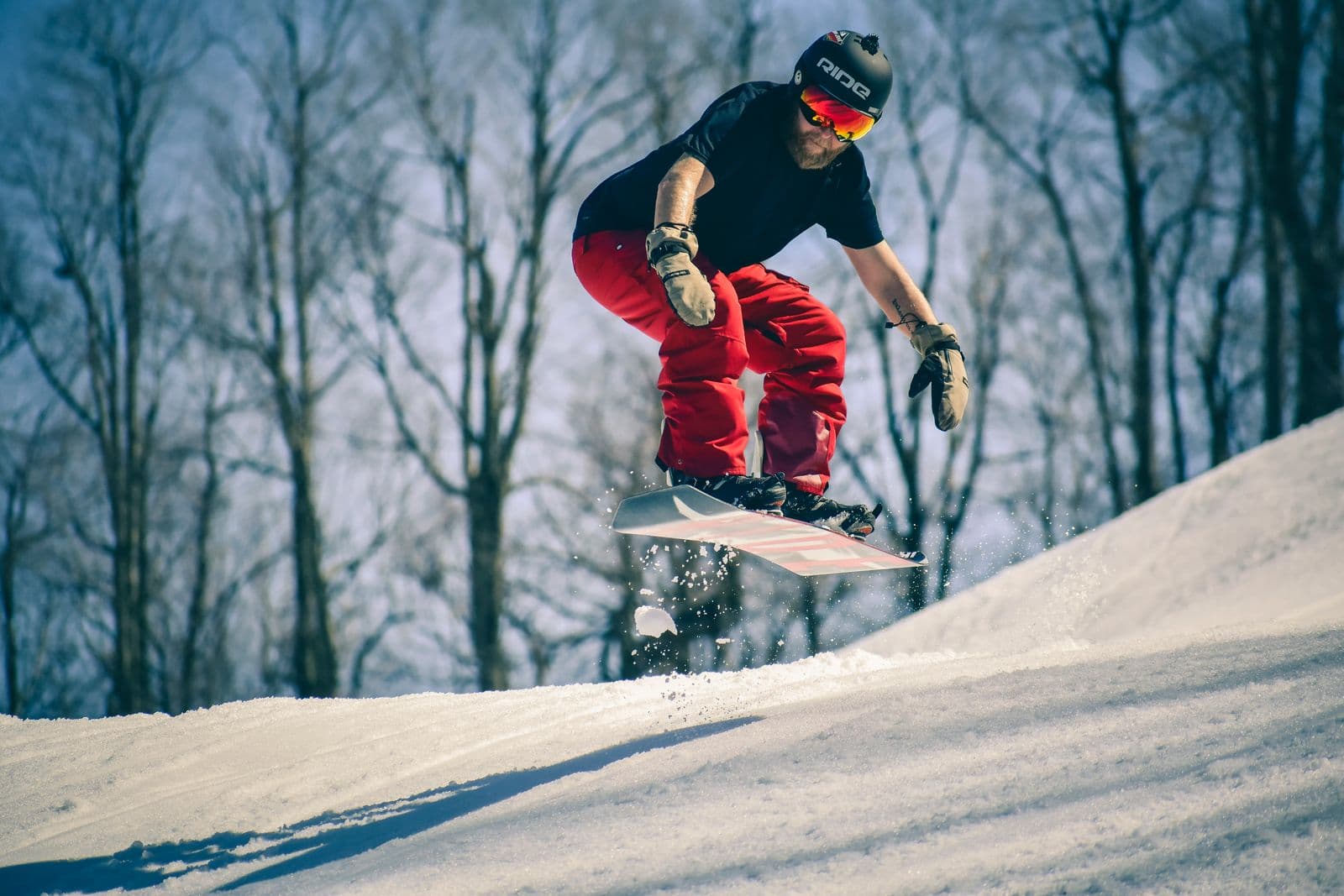
Ski and snowboard falls arrive fast and land hard — on an outstretched arm, on the point of the shoulder, or with the arm levered away from the body. Massive pooled injury data across skiing and snowboarding puts the shoulder near the top of the upper-body injury list for both sports, with snowboarders' falls skewing toward arms and wrists. Three distinct injuries account for most of it, and they are not interchangeable.
Dislocation: the event and the decision
The ball-and-socket shoulder trades stability for mobility, and a levered fall can pry the ball out the front. You'll know: severe pain, a shoulder that looks wrong, an arm you're holding like a package. On the mountain this is a patrol-and-clinic problem — reduction, sling, imaging.
The part skiers underestimate comes after. A first dislocation tears the labrum (the socket's rim) in most young athletes, and the redislocation numbers are blunt: in young, active patients, recurrence after a first dislocation is common — the younger the athlete, the higher the risk, with teenage males at the steepest odds. That's why "it popped back in, I'm fine" is the most expensive sentence in shoulder medicine. The real options:
- Structured rehab — rebuild cuff and scapular strength and control over 6–12 weeks; reasonable for older first-timers and lower-demand athletes (the instability guide goes deeper).
- Early surgical stabilization — often discussed for athletes under ~25 returning to collision-and-falling sports, because it substantially cuts recurrence.
Either way the comeback is criteria-based: full strength, confident bracing, fall-tolerance — not a date.
Separation: the AC sprain
Land directly on the shoulder's point — a classic snowboard catch — and you sprain the AC joint, where collarbone meets shoulder blade: pain and tenderness right on top of the shoulder, sometimes a visible bump. Impressive pain, mostly reassuring biology: grade 1–3 separations overwhelmingly do well with rehab, bump and all, and surgery is reserved for the rare high-grade injuries (more here). Expect staged return to poling, pressing, and fall-bracing over 2–6+ weeks by grade.
The cuff: the over-40 fall injury
The same fall that separates a 25-year-old's AC joint can tear a 45-year-old's rotator cuff. The tell isn't the fall-day pain — it's what lingers: true weakness lifting the arm away from the body, night pain on that side, a shoulder that aches with overhead reach weeks later (the cuff guide). Post-fall weakness that isn't improving inside a couple of weeks deserves an exam — cuff tears in active adults are a sometimes-surgical, always-rehab problem, and smaller tears caught early keep more options open.
Getting the right help
A shoulder-literate sports PT sorts dislocation aftermath from AC sprain from cuff trouble, coordinates imaging when the story demands it, and rebuilds the strength that lets you brace a fall without flinching — here's how to find one, and Bay Area snow athletes can browse ski and snowboard-friendly PTs by region. Evaluations run $125–$250 cash-pay ($175–$275 in the Bay Area); AC sprains and post-dislocation rehabs typically fit 6–12 visits with home programming between, and a superbill often recovers part of the cost (what PT costs). Want fewer shoulder falls in the first place? Fresh legs are shoulder protection too — late-day fatigue is when falls get sloppy.
Frequently asked questions
Sources (6)
- Robinson CM, et al. Functional outcome and risk of recurrent instability after primary traumatic anterior shoulder dislocation in young patients. J Bone Joint Surg Am. 2006. — JBJS
- Olds MK, et al. Who will redislocate his/her shoulder? Predicting recurrent instability following a first traumatic anterior shoulder dislocation. BMJ Open Sport Exerc Med. 2019. — BMJ Open SEM
- Chauffard A, et al. To ski or not to ski? A meta-analysis of more than 750,000 upper extremity injuries comparing skiing and snowboarding. Shoulder Elbow. 2026. — Shoulder Elbow
- AAOS OrthoInfo. Dislocated shoulder. — OrthoInfo
- AAOS OrthoInfo. Shoulder separation. — OrthoInfo
- Kavaja L, et al. Treatment after traumatic shoulder dislocation: a systematic review with a network meta-analysis. Br J Sports Med. 2018. — Br J Sports Med
This article is for education only and isn't medical advice. Always talk to a licensed clinician about your specific situation.