
Ski Load Management: The Weekend-Warrior Math
Why injuries cluster in the afternoon and the first trips — and how to pace a Tahoe season
Updated October 20262 minute read
The Bay Area ski pattern — desk all week, twenty thousand vertical feet on Saturday — is a textbook load spike, and the injury data reads exactly like you'd predict: risk climbs with fatigue, stacks in the afternoon, and concentrates in the first days of trips and the first trips of the season. The protections are unglamorous: arrive conditioned, ramp the first days, treat the 3 PM "one last run" as the highest-risk run of the day, and respect altitude's tax on sleep and recovery.
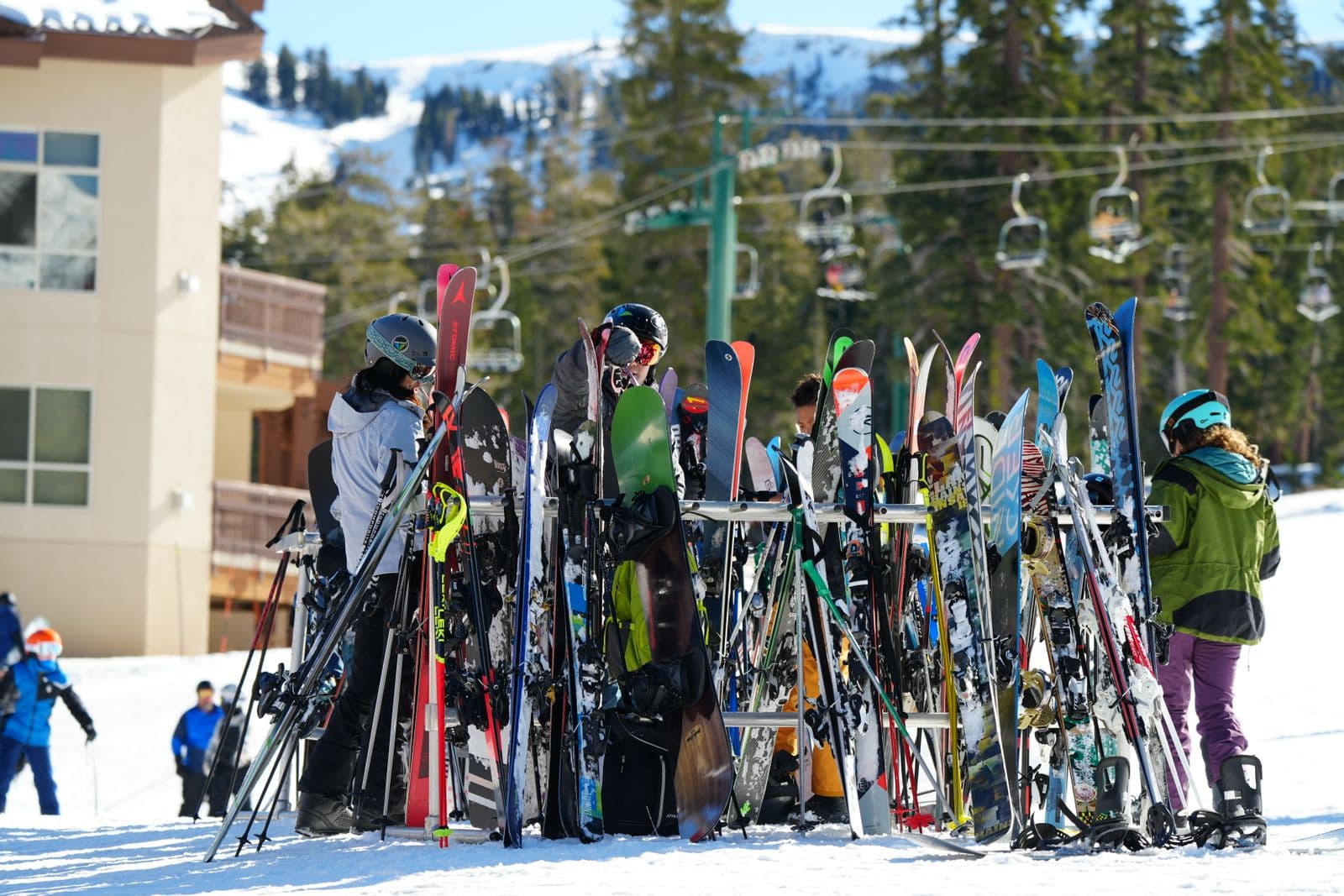
Skiing's version of the spike
Every sport in this library has a load story. Runners ramp mileage too fast; badminton players come back after a layoff and rupture an Achilles on a Saturday. Skiing's version is structural: the sport only comes in spikes. Nobody skis forty minutes on Tuesday evenings to stay adapted — you do nothing for two weeks, then hand your legs six hours of eccentric loading at altitude, twice, with a four-hour drive on each end.
Load science calls this the acute spike over chronic base, and it's the most reliable injury pattern in sports. You can't make skiing not-spiky. You can make the spike land on prepared tissue, and you can shape the spike.
Where the risk actually concentrates
Fatigue hours. Injury risk tracks tiredness, not clock time — but for weekend skiers those are the same thing: the afternoon. Chopped snow, heavier legs, flat light, fuller trails. The honest move is treating 2 PM as a decision point, not a countdown to last chair.
First days and first trips. The research on recreational skiers keeps finding the same clusters: early in the trip (unadapted legs, unfamiliar conditions) and early in the season (months of nothing, then everything). Your first December weekend is the highest-risk skiing you'll do all year — ski it like a warm-up trip, because it is one.
The environment. Altitude taxes sleep and hydration before you feel it; weather and snow conditions shift the risk under your feet. None of it is controllable. All of it argues for margin.
Shaping the spike
- Arrive with a base. The 6–8 week preseason block is the single biggest lever — it's what "chronic load" looks like for a sport you can't practice weekly.
- Ramp inside the trip. Groomers before bumps, half-day before full day, best terrain mid-morning on day two — not 3 PM on day three.
- End on purpose. Pick your actual last run while your legs still have a vote. "One more" chosen by the lift clock is how the day's worst run gets scheduled on the day's worst legs.
- Recover like it counts. Water all day (altitude hides thirst), real sleep, and easy movement the day after — the drive home in a flexed-hip car seat is its own insult; break it up.
- Count the season honestly. Ten trips a winter is a real load. Spread them; a January of four consecutive hero weekends is the spike pattern wearing a season pass.
When the ledger shows up anyway
Soreness that's muscular and symmetric is the sport being the sport. A joint that swells, catches, or gives way is a structure voting — run the traffic-light rules, and get yellow-light knees assessed between trips rather than after the season ($125–$250 cash-pay eval, $175–$275 Bay Area; superbills recover part). Here's how to find a ski-literate PT, and the Bay Area directory lists the ones who rebuild Tahoe-corridor knees for a living.
Frequently asked questions
Sources (6)
- Gabbett TJ. The training-injury prevention paradox: should athletes be training smarter and harder? Br J Sports Med. 2016. — BJSM
- Soligard T, et al. How much is too much? (Part 1) IOC consensus statement on load in sport and risk of injury. Br J Sports Med. 2016. — BJSM
- Ruedl G, et al. Impact of self-reported fatigue on ACL injuries in alpine skiing: a sex comparison. Sportverletz Sportschaden. 2015. — Sportverletz Sportschaden
- Posch M, et al. Impact of environmental factors on the ACL injury risk in recreational alpine skiing. Int J Sports Med. 2023. — Int J Sports Med
- MedlinePlus. Sports injuries. — MedlinePlus
- Griffin A, et al. The Association Between the Acute:Chronic Workload Ratio and Injury and its Application in Team Sports: A Systematic Review. Sports Med. 2020. — Sports Med
This article is for education only and isn't medical advice. Always talk to a licensed clinician about your specific situation.