
Ski Season Prep: Get Fit For the Mountain, Not By It
The 6–8 week preseason program that changes how your first Tahoe weekend goes
Updated October 20262 minute read
Skiing is a sport you must get fit FOR — it hands you thousands of loaded knee bends per day with no on-ramp, which is why injuries cluster in the first trips of the season. A 6–8 week preseason block of leg strength, single-leg control, hamstring work, and trunk conditioning measurably cuts injury risk and makes the legs last past lunch. No program makes a knee tear-proof — but structured prevention training roughly halves ACL injury risk in the research, and that's worth six weeks of squats.
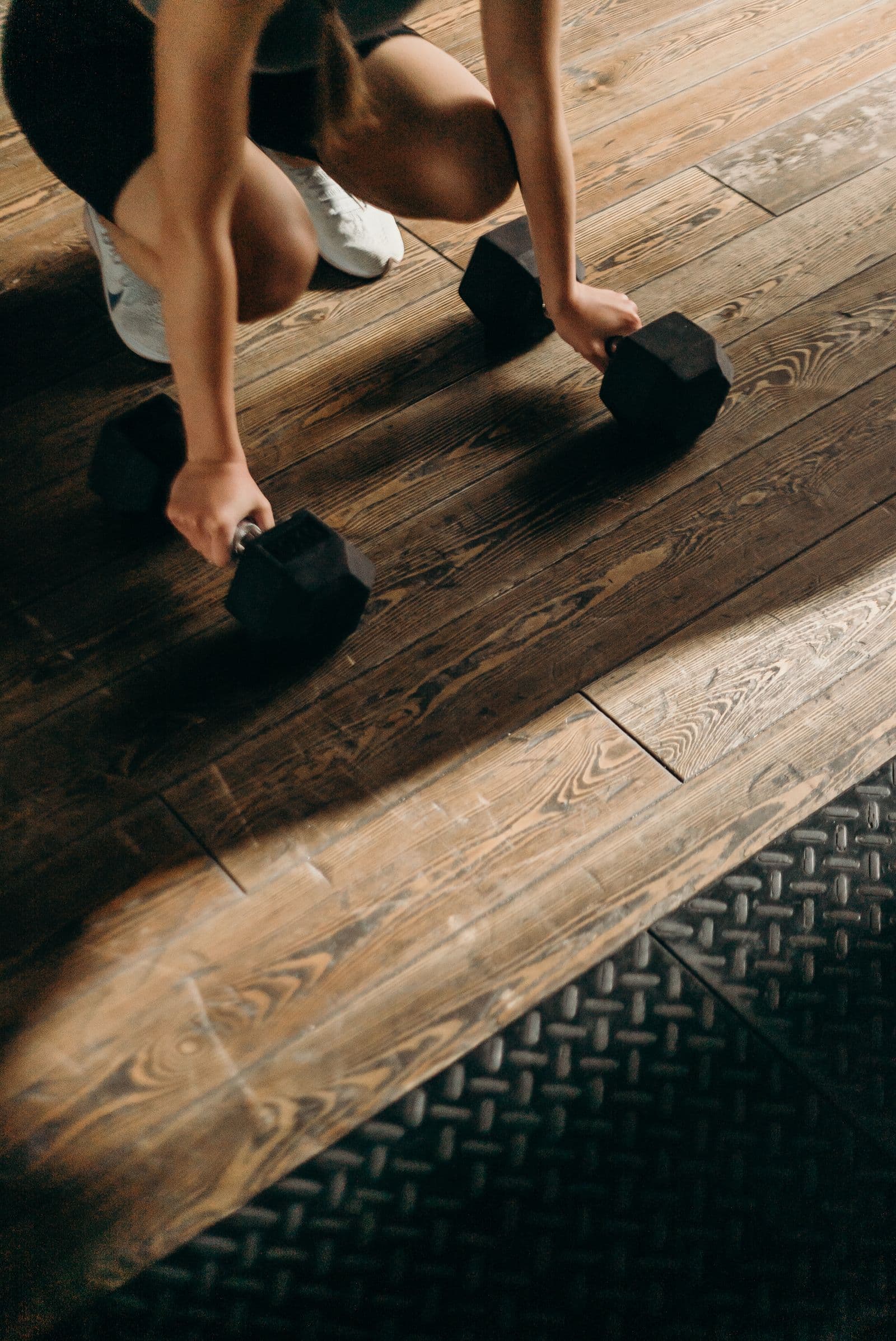
The sport with no on-ramp
Most sports let you ease in — a short run, an easy rally, a light session. Skiing hands you a full day of loaded knee bends, eccentric quad work, and balance reactions at altitude, on day one, after months off. That's the Bay Area pattern in its purest form: desk all week, Tahoe all weekend, season starts cold. The body you bring to the first chairlift in December is the body October built — and the injury statistics agree, clustering in early-season trips and under-conditioned legs.
The program (6–8 weeks, 2–3 sessions a week)
Leg strength — the chassis. Squat and lunge patterns, loaded progressively: goblet squats, split squats, step-downs. Skiing is thousands of partial squats a day; train past the depth and load the mountain will ask for. Twice a week, heavy enough that the last reps argue back.
Single-leg control — the insurance. Single-leg squats to a box, skater hops with a stuck landing, lateral bounds. Ski injuries happen one leg at a time, usually when control runs out before strength does. Stick every landing for a full second — the stick IS the exercise.
Hamstrings — the ACL's bodyguard. Nordic curl progressions, Romanian deadlifts, slider leg curls. The hamstrings resist the forward tibia slide that strains the ACL; prevention programs that cut ACL risk in the research are built heavily on this and on landing control.
Trunk and hips. Side planks, Pallof presses, hip thrusts. The mogul line and the crud at 3 PM are trunk endurance tests wearing scenery.
Conditioning for altitude. Two weekly intervals sessions — bike sprints, stairs, hill repeats — in the 1–3 minute range. Tahoe starts at 6,000+ feet; conditioning built at sea level shrinks up there, and fatigue is the injury multiplier.
What the evidence actually promises
Structured preventive training roughly halves sports injury risk in meta-analysis, and ACL-specific prevention programs show reductions of a similar order across the literature. What nothing promises is tear-proof: skiing's worst injuries involve bindings, physics, and luck, and a program that claims otherwise is selling something. Stack the deck; respect the mountain anyway. (Gear is the other half of the deck — set up properly.)
Already have a cranky knee?
Don't train through a question mark. If last season ended with swelling, giving way, or pain that trips the yellow rules, get assessed before the program, not after the first trip confirms the problem ($125–$250 cash-pay, what PT costs; a superbill can recover part). A ski-literate PT turns this template into a plan for your knee — here's how to find one, and Bay Area skiers can browse the regional directory.
Frequently asked questions
Sources (5)
- Lauersen JB, et al. The effectiveness of exercise interventions to prevent sports injuries: systematic review and meta-analysis. Br J Sports Med. 2014. — BJSM
- Sadoghi P, et al. Effectiveness of anterior cruciate ligament injury prevention training programs. J Bone Joint Surg Am. 2012. — JBJS
- Clar C, et al. Reducing ACL injury risk: a meta-analysis of prevention programme effectiveness. Knee Surg Sports Traumatol Arthrosc. 2025. — KSSTA
- Soligard T, et al. How much is too much? (Part 1) IOC consensus statement on load in sport and risk of injury. Br J Sports Med. 2016. — BJSM
- AAOS OrthoInfo. Skiing injury prevention. — OrthoInfo
This article is for education only and isn't medical advice. Always talk to a licensed clinician about your specific situation.