
Boots, Bindings & Fit: Gear as Injury Prevention
The DIN setting you shouldn't touch, the boot pain you shouldn't ski through, and the wrist guards the evidence loves
Updated October 20262 minute read
Gear is the half of ski injury prevention nobody trains for. Bindings belong to a certified technician — release failure shows up again and again in knee-injury research, and DIN settings are not a DIY project. Boots that cause shin pain or numb feet change how you ski all day, every day. And for snowboarders, wrist guards are the rare piece of equipment with randomized-trial evidence behind them. A yearly shop visit is the cheapest physical therapy you'll never need.
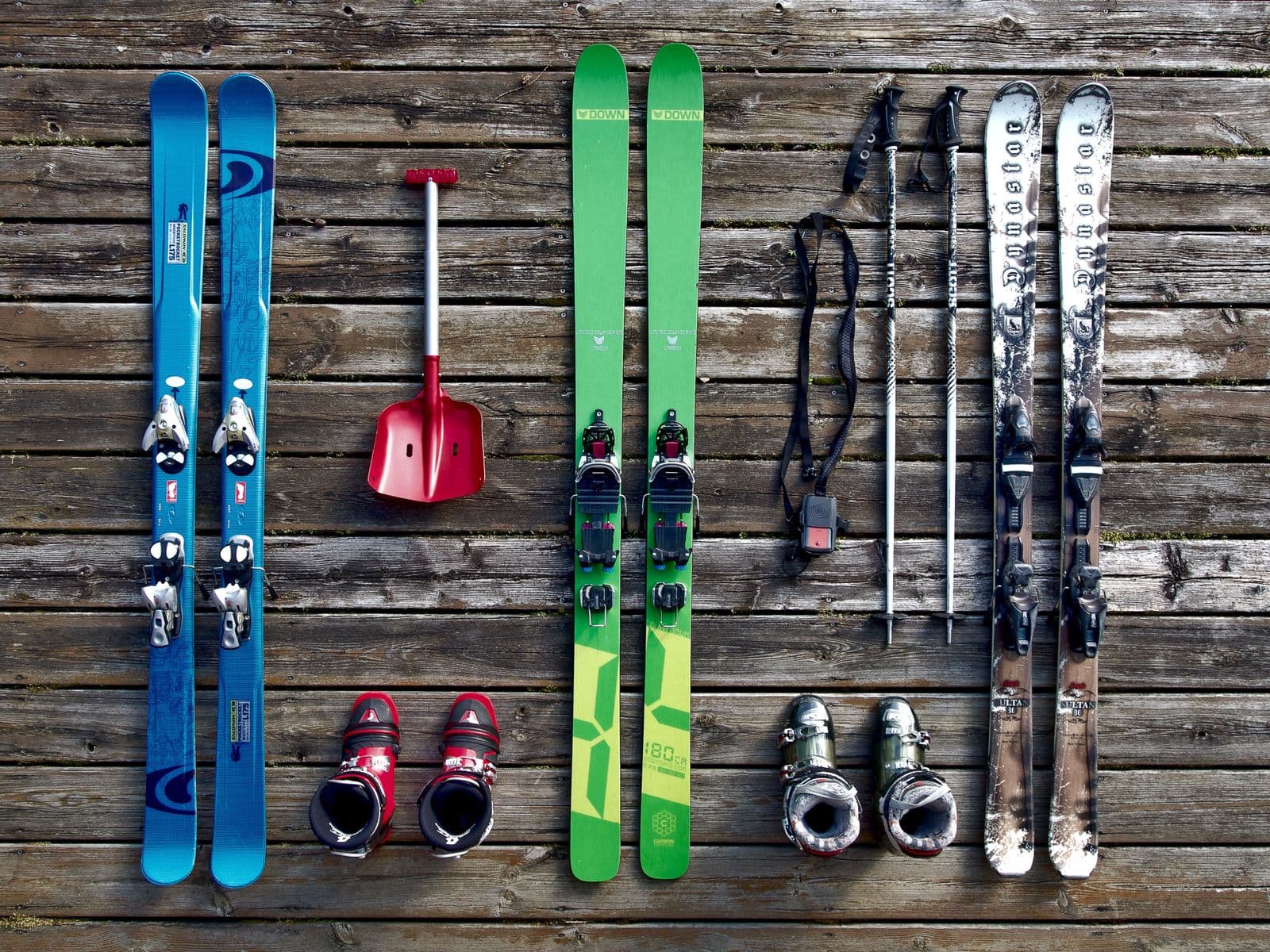
The equipment half of injury prevention
The preseason program prepares your body; this page is about the machine attached to it. Skiing is unusual among the sports in this library: a lever bolted to each foot, designed to release in a crash — which means some fraction of injury prevention was outsourced to equipment before you ever left the parking lot. That half deserves the same seriousness as the squats.
Bindings: the release is the safety system
The binding's job is to hold through a mogul line and let go in a crash — a genuinely hard engineering problem, tuned by the DIN release setting. Two honest rules:
- It's a technician's job. DIN interacts with weight, height, age, boot sole length, and skier type, and the number means nothing without a function test on the actual boot-binding pair. Certified shops do this routinely; kitchen-table adjustments and inherited settings are how it goes wrong.
- Once a season, every season. Bindings drift, boots wear, weights change. The research on recreational skiers with ACL injuries keeps surfacing the same detail — the binding didn't release — often alongside bindings that were never professionally checked.
One more honesty: bindings protect legs imperfectly even when perfect. Many knee injuries happen at forces below any release threshold. That's why the conditioning half and the fatigue rules still matter.
Boots: pain is a performance problem
Boots are where skiers tolerate the intolerable. Shin bang, numb toes, arch cramps, ankle hot spots — skied through for years because "ski boots just hurt." They don't have to, and the cost isn't only comfort: a skier avoiding shin pressure sits back, and the backseat is both slower and the stance knee injuries prefer. Persistent shin or foot pain that outlasts a proper boot fitting has left the equipment category — run it past a PT who knows the sport (what an eval costs).
Wrist guards: the evidence-based accessory
Snowboarding's signature injury is the wrist — beginners falling onto outstretched palms, all day. Here the evidence is unusually clean: a randomized controlled trial found wrist guards dramatically reduced wrist injuries, and systematic reviews back them. Guards on, fists closed, fall onto forearms — that combination is most of beginner wrist safety. (Skiers crash differently — thumbs and knees — which the injury guides cover.)
Helmets, matter-of-factly
Large cohort studies associate helmet use with meaningfully lower head-injury risk, with no good evidence of the compensating recklessness people once worried about. Every rental shop has them; wear one. That's the whole section.
The checklist
Season start: binding check and release test, boot-fit review, helmet condition. Snowboarders: wrist guards in the bag, not the garage. And if last season left a joint that still complains, settle it before the first trip — Bay Area skiers can browse ski-friendly cash-pay PTs and book without a referral (HSA/FSA funds apply).
Frequently asked questions
Sources (5)
- Ruedl G, et al. Factors associated with self-reported failure of binding release among ACL injured male and female recreational skiers. Br J Sports Med. 2016. — BJSM
- Rønning R, et al. The efficacy of wrist protectors in preventing snowboarding injuries. Am J Sports Med. 2001. — AJSM
- Russell K, et al. The effect of wrist guards on wrist and arm injuries among snowboarders: a systematic review. Clin J Sport Med. 2007. — Clin J Sport Med
- Sulheim S, et al. Helmet use and risk of head injuries in alpine skiers and snowboarders. JAMA. 2006. — JAMA
- AAOS OrthoInfo. Skiing injury prevention. — OrthoInfo
This article is for education only and isn't medical advice. Always talk to a licensed clinician about your specific situation.