
How to Find a Physical Therapist Who Actually Works With Skiers and Snowboarders
The questions, the red flags, and why return-to-snow testing is the thing to insist on
Updated October 20262 minute read
A ski-literate PT treats knee, shoulder, and wrist injuries from the mountain regularly, asks about your terrain, trip pattern, and gear before judging your body, tests strength and landing mechanics with numbers instead of calendars, and rebuilds you to real skiing — not just to pain-free stairs. You can book directly in most states, and cash-pay means you pick the specialist rather than whoever is in-network.
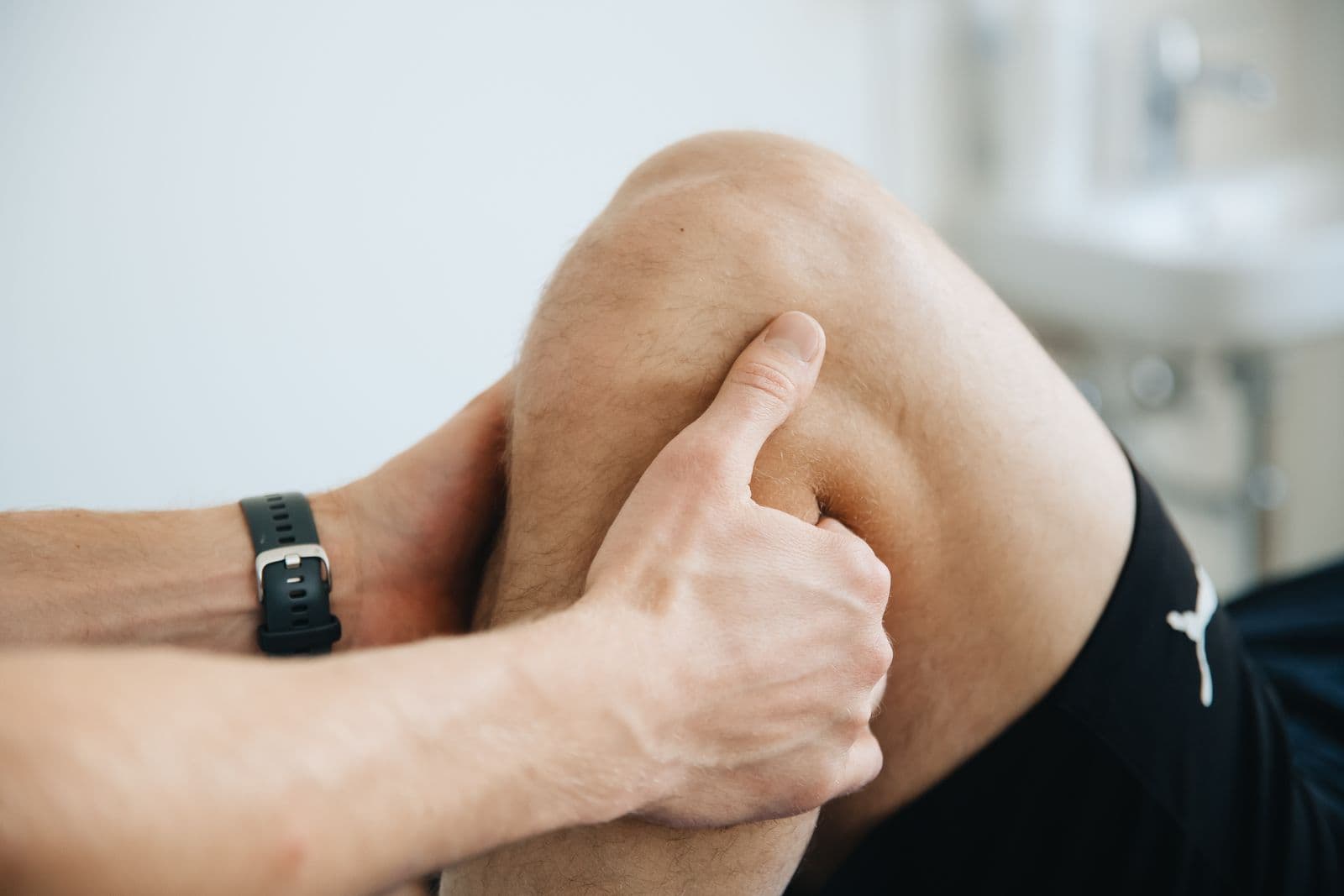
Why "ski PT" is a real niche
Any licensed PT can treat a knee. But skiers and snowboarders present differently: the injuries arrive in bursts after weekend trips, the sport's signature problems (MCL and ACL knees, skier's thumb and snowboarder's wrist, dislocated shoulders) have specific testing and return rules, the season creates deadlines ("can I be ready by February?"), and the Bay Area version of the sport means three-hour drives wrapped around hard ski days. A ski-literate PT plans rehab around the season and the trips — and rebuilds you to real skiing, not just to pain-free stairs.
The practical test: do they ask about your skiing before your pain? A ski-literate evaluation wants your skier-vs-rider answer, terrain and days per season, trip pattern, gear and binding setup history, and — for any knee — a testing plan that ends on snow.
What to look for
- Caseload, not just credentials. Ask "how many ski or snowboard injuries do you see in a typical winter?" Bay Area sports clinics see the Monday-after-the-storm wave; a clinic that doesn't is missing the market.
- A testing habit — the one non-negotiable for knees: strength symmetry measured, hop tests used as gates, landing mechanics watched. Calendar-only ACL clearance is the red flag of the sport.
- Credentials that signal investment: SCS or OCS board certifications (credentials decoded), plus return-to-sport testing capability.
- A keep-you-on-snow philosophy. Good answer: "we'll find the terrain and trip pattern your knee tolerates this season and build from there." Bad answer: "just rest it until spring."
Questions to ask before booking
- How many ski and snowboard injuries do you treat each winter?
- For a knee: how do you test readiness to return — strength symmetry, hop tests, landing mechanics — and what are the gates?
- Can you build a plan around my season (trips booked, race calendar, a February deadline)?
- Do you cover the gear side — binding release, boot fit — or know who should?
- What does a typical plan look like — visits, cost, timeline — and do you provide a superbill?
Red flags
- ACL or MCL clearance by calendar ("it's been six months, you're fine") with no testing
- No interest in your terrain, trip pattern, or gear
- "Rest until it stops hurting" as the entire plan
- Passive-only care — heat, ultrasound, massage — with no loading program attached
Why cash-pay works in your favor here
Insurance networks assign you a PT by contract, not by specialty. Paying directly means choosing the clinician who actually tests and rebuilds snow-sport athletes — and in most states you can book without a referral. Many plans still reimburse part of the cost via superbill.
Skiing from the Bay Area? The local ski guide covers prices and the Tahoe-corridor pattern, and you can browse ski & snowboard-friendly PTs across the region when you're ready to compare.
Frequently asked questions
Sources (5)
- APTA. Direct Access by State: physical therapist direct access laws summary. — APTA
- Physical Therapy Board of California. Direct access to physical therapist services. — PTBC
- Ardern CL, et al. 2016 Consensus statement on return to sport from the First World Congress in Sports Physical Therapy, Bern. Br J Sports Med. 2016. — BJSM
- Lauersen JB, et al. The effectiveness of exercise interventions to prevent sports injuries. Br J Sports Med. 2014. — BJSM
- MedlinePlus. Knee injuries and disorders. — MedlinePlus
This article is for education only and isn't medical advice. Always talk to a licensed clinician about your specific situation.