
The Youth Ski Racing Parent's Guide: Growth Plates, Knees, and the Long Season
What Tahoe race-team families should know about growing bodies, teen ACL risk, and gear that fits the kid they have now
Updated October 20263 minute read
Youth ski racing's medical story has three chapters parents can actually act on: growing bones get hurt differently (growth plates are the weak link, so persistent focal pain deserves assessment, not stretching), teenage girls carry several times the ACL risk of boys and landing-mechanics training measurably lowers it, and equipment set for the child's current weight — not last season's — is real injury prevention. Add honest sore-vs-hurt language and an off-season, and racing stays the gift it should be.
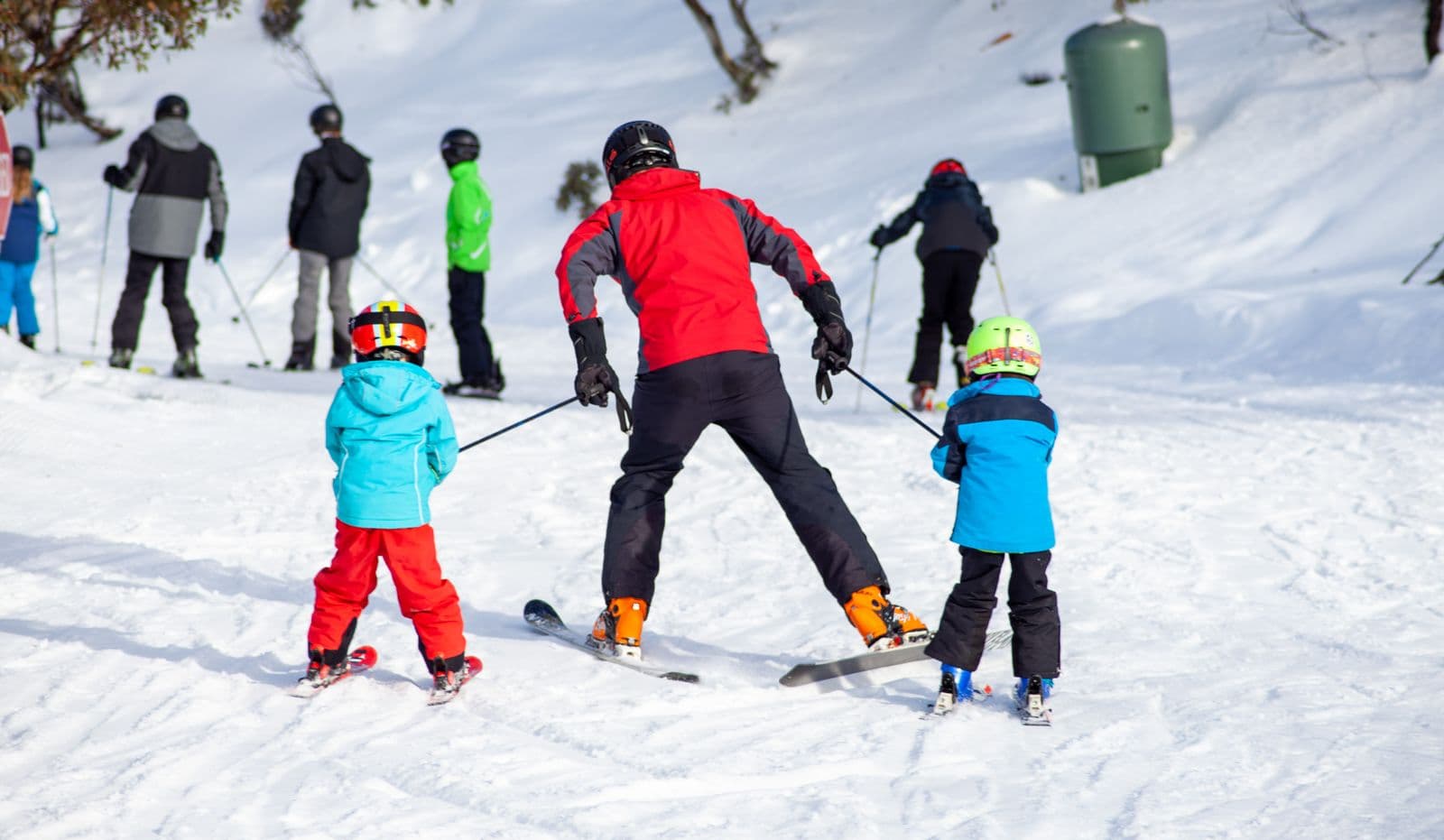
The Tahoe race calendar, honestly
Bay Area race families know the shape of it: dryland in the fall, weekend team from first chair to last, race series across the Sierra, and a spring where the fast kids get invited to keep going. The mountain programs are good at making racers. This page is about the part the calendar doesn't print — what growing bodies need from the adults running the season.
Growing bones break differently
Until the growth plates close (roughly mid-to-late teens, later in boys), the cartilage plate near the end of each long bone is the weakest structure in the chain — weaker than the ligaments adults tear. The practical consequences:
- Persistent, point-able pain near a joint in a growing racer is an assessment, not a stretching assignment. Growth-plate stress reactions present as "just pain" and X-rays answer questions conversations can't.
- Knee and heel pain names to know: Osgood-Schlatter (below the kneecap) and Sever's (heel) are the classic growth-plate overuse stories in jumping, booting sports — manageable with load changes, not pushed through.
- The growth-spurt dip is real. A kid who grew three inches since spring is skiing in a new body; coordination lags height, and the season after a big spurt deserves patience, not panic.
The teen ACL chapter
The hardest truth in youth ski racing: adolescent girls tear ACLs at several times the rate of boys, and prospective research shows why — landing mechanics with inward knee collapse predict injury. The equally hard-won good news: structured neuromuscular training (jump-landing mechanics, hamstring and hip strength, balance work) measurably reduces ACL injuries in young female athletes, with the best evidence for programs run preseason and maintained in-season.
What a parent can do with that: ask the program two questions. What landing and strength work is in dryland? and who checks it's actually happening once races start? If the answers are vague, the ski prep guide is the home version, and a sports PT can run a proper landing-mechanics screen. If a tear happens anyway, the ACL return ladder is the honest road back — and in young athletes the waiting-for-gates part matters most of all.
Gear for the kid they are now
- Bindings set for current weight and height, by a shop, every season — releases that work are knee protection.
- Boots that fit now. Two-sizes-big hand-me-downs trade shin bruises and steering for one more season of use — the gear guide covers what fit actually means.
- Helmets replaced after real impacts, no debate.
Sore vs hurt, and the season's size
Give your racer the two-word vocabulary: sore is both legs, fades by morning, warms up out of the first runs; hurt is one-sided, point-able, changes their skiing, or lingers past a day. Sore is training. Hurt gets told to an adult and assessed — the traffic-light guide works for racers too.
And mind the calendar math the consensus statements keep repeating: hours of organized training beyond the child's age, year-round, is the overuse red line. Racing hands you an off-season — take it.
When you need a professional
A growing racer with recurring pain deserves a clinician comfortable with young athletes — how to find one covers the questions (growth-plate literacy is the first). California direct access lets you book directly, costs run $175–$275 for a Bay Area evaluation, and you can browse ski and snowboard PTs across the region — several Bay Area practices list experience with youth athletes.
Frequently asked questions
Sources (5)
- DiFiori JP, et al. Overuse injuries and burnout in youth sports: a position statement from the American Medical Society for Sports Medicine. Clin J Sport Med. 2014. — AMSSM
- Jayanthi N, et al. Sports specialization in young athletes: evidence-based recommendations. Sports Health. 2013. — Sports Health
- Hewett TE, et al. Biomechanical measures of neuromuscular control and valgus loading of the knee predict anterior cruciate ligament injury risk in female athletes. Am J Sports Med. 2005. — AJSM
- Petushek EJ, et al. Evidence-Based Best-Practice Guidelines for Preventing Anterior Cruciate Ligament Injuries in Young Female Athletes: A Systematic Review and Meta-analysis. Am J Sports Med. 2019. — AJSM
- AAOS OrthoInfo. Growth plate fractures. — OrthoInfo
This article is for education only and isn't medical advice. Always talk to a licensed clinician about your specific situation.