
Badminton After 40: The Achilles Contract
Why the sport's best demographic is also its most ruptured — and the maintenance deal that keeps you on court
Updated October 20262 minute read
Badminton is the great after-40 racquet sport — doubles-friendly, skill-forward, playable for decades. It is also the sport whose signature injury, Achilles trouble up to and including rupture, lands squarely on fit players in their 30s, 40s, and 50s, very often in the first weeks of a comeback after years away. The deal: warm your calves up properly, keep them strong year-round, ramp comebacks over weeks instead of one Saturday, use doubles and shot selection as load strategy, and the sport keeps paying you back.
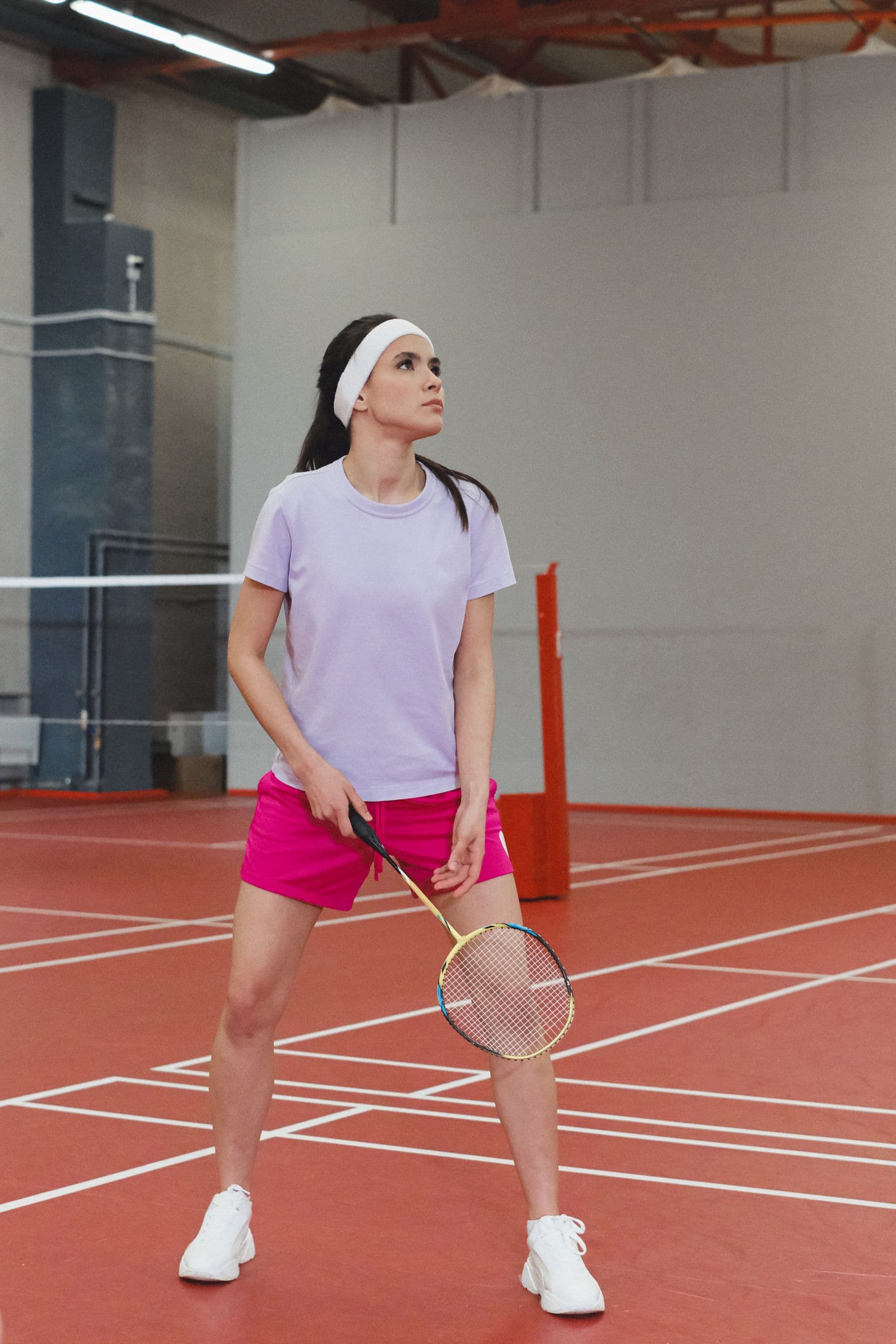
The sport that keeps you — and the tendon that keeps score
Badminton may be the best aging sport in the racquet family: doubles halves the court, deception and placement outrank raw speed, and club scenes are full of players competing hard into their 60s. The exercise-medicine case for staying in it is exactly what the ACSM position stand prescribes for older adults — sustained, social, weight-bearing activity you'll actually keep doing.
The sport charges one tendon for all of it. Research on competitive badminton players — middle-aged and elite alike — found Achilles-region pain to be a common, recurring problem, and the Achilles rupture literature reads like a badminton roster: fit players, 30s to 50s, mid-lunge, a pop, and the famous glance backward to see who kicked them. The deep badminton lunge is the single heaviest thing most recreational athletes ever do to that tendon — which is why the after-40 game is really a calf-maintenance contract with court time as the payout.
The contract, clause by clause
- Warm-ups that actually warm calves. Two minutes of easy footwork, then progressive calf raises and gentle lunges, then easy rallies before anything explosive. The cold first game is where Achilles stories start; the traffic-light guide covers the warning signs the research says often precede rupture.
- Year-round calf strength. Heavy calf raises, both knees bent and straight, twice a week, forever — the strength-training evidence for injury prevention is about as one-sided as sports science gets, and the strength guide is the full prescription.
- The layoff-comeback rule. The workload research is blunt: it's the spike, not the total, that injures. A return after years away ramps over weeks — the return ladder applies even when nothing hurts yet.
- Recovery windows widen. Back-to-back hard nights that worked at 25 become a load-management problem; most over-40 players land on two or three court nights with a recovery day between.
- Doubles and shot selection are load strategy, not surrender — see the FAQ above, and notice which format every lifetime player in your club has quietly chosen.
The rest of the body
The Achilles headlines; the supporting cast still plays. Knees take the lunge pattern's eccentric load, ankles take the direction changes, and the smash shoulder appreciates a swing-count budget the same way the calves appreciate a session budget. Fellow travelers: pickleball after 50 and basketball over 40 run the same playbook in other sports.
The pre-season check
One cash-pay PT visit before league season or a comeback — calf capacity measured both sides, lunge mechanics watched, shoulder range checked — costs $125–$250 nationally, $175–$275 in the Bay Area (what PT costs; a superbill can recover part). Here's how to find a PT who knows court sports, and Bay Area players can browse badminton-friendly PTs by region.
Frequently asked questions
Sources (6)
- Fahlström M, et al. Painful conditions in the Achilles tendon region: a common problem in middle-aged competitive badminton players. Knee Surg Sports Traumatol Arthrosc. 2002. — KSSTA
- Fahlström M, et al. Painful conditions in the Achilles tendon region in elite badminton players. Am J Sports Med. 2002. — AJSM
- Chodzko-Zajko WJ, et al. American College of Sports Medicine position stand: exercise and physical activity for older adults. Med Sci Sports Exerc. 2009. — ACSM
- Lauersen JB, et al. The effectiveness of exercise interventions to prevent sports injuries: systematic review and meta-analysis. Br J Sports Med. 2014. — BJSM
- Gabbett TJ. The training-injury prevention paradox: should athletes be training smarter and harder? Br J Sports Med. 2016. — BJSM
- ChoosePT (APTA). Physical therapy guide: Achilles tendon injuries (tendinopathy). — ChoosePT
This article is for education only and isn't medical advice. Always talk to a licensed clinician about your specific situation.