
Strength and Conditioning That Keeps You on the Badminton Court
Calf capacity first, then lunges, cuff work, and landings — the hour a week that halves injury risk
Updated October 20262 minute read
The evidence is unambiguous: structured strength work roughly halves overuse injury risk, and for badminton the menu writes itself from the sport's injury list — calf capacity for the Achilles (the single-leg heel raise is both the test and the exercise), single-leg and lunge strength for knees, rotator cuff and scapular work for the smash shoulder, and landing practice for jump smashes. Two 20–30 minute sessions a week, added gradually, on days that don't stack onto your hardest play.
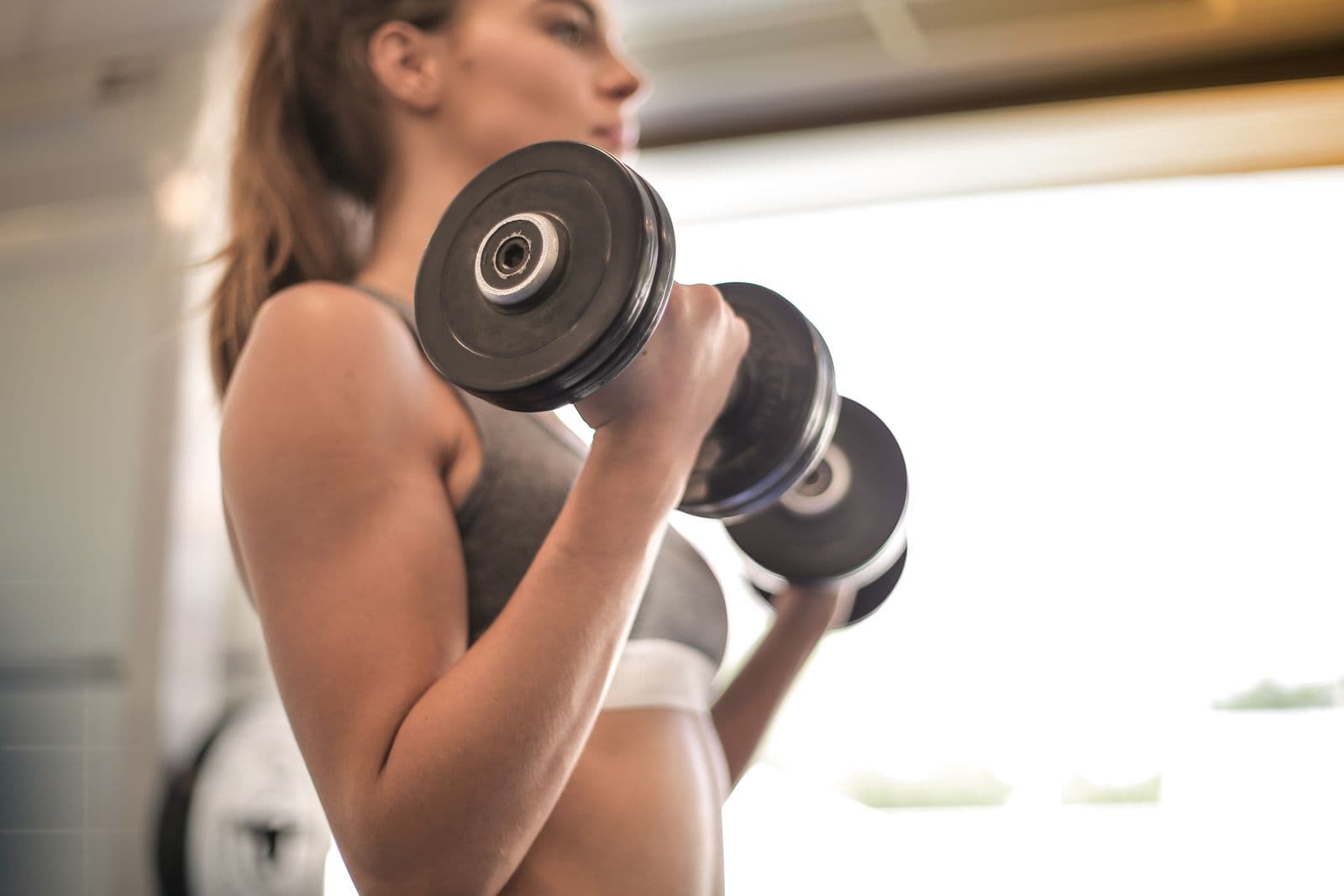
Why the gym protects the court
Strength work is the best-documented injury prevention in sports — the meta-analyses put structured strength training at roughly half the overuse injury risk, with benefits that scale with the dose. For a sport whose injury list is this predictable — Achilles and calf, lunging knees, smashing shoulders, rolled ankles — the program practically writes itself.
What follows is the badminton menu. It's deliberately short: the version you'll actually do year-round beats the perfect one you'll quit.
Calf capacity — the non-negotiable
The calf–Achilles complex is this sport's ledger-keeper, and the single-leg heel raise is both the test and the treatment:
- Test yourself: healthy adults manage roughly 20–25 smooth single-leg raises; under 15 per side is a flag worth training (and what a PT will measure first).
- Train it: single-leg raises, slow and full-range, progressing to a loaded backpack or dumbbell — 3 sets per side, twice a week. Add a bent-knee version for the deeper soleus, which does heavy lifting in lunges.
- Why it matters here: badminton's signature injury is an explosive push-off on an underprepared calf. Capacity is the armor — and the same exercise family is the backbone of Achilles rehab if you're already symptomatic.
Lunge and single-leg strength
The lunge is badminton's home position, so train it like one: split squats, walking lunges, and lateral lunges, 2–3 sets each, loaded over months. Add one hinge (Romanian deadlift or hip thrust) for the posterior chain. Strong single-leg control is also your knee's best protection in a sport of decelerations.
The smash shoulder
Hundreds of overhead accelerations a week deserve maintenance: external rotations with a band, side-lying rotations, and scapular rows or face-pulls — 2 sets each, twice weekly. It's five minutes that pays rent on every smash you hit.
Jumps and landings
Jump smashes are the sport's highest single load. Practice the boring half: stick 10–15 controlled single-leg and double-leg landings weekly, quiet and bent-kneed. Landing skill is cheap insurance for knees and ankles both.
How to dose it
- Two sessions, 20–30 minutes, on lighter days — add, don't stack onto your hardest club nights.
- Progress one knob at a time (weight, reps, or a new exercise — not all three in one enthusiastic week).
- Keep it year-round. The club calendar has no off-season; this is the part of your schedule that makes that survivable.
When to get it programmed for you
If something already hurts, generic programs stop being the answer — rehab loading is specific to the tissue and the stage. A PT who works with court athletes will test (heel-raise counts, single-leg control, cuff strength), then build the ramp: how to find one, and Bay Area players can browse the local directory. Evaluations run $125–$250 cash-pay ($175–$275 Bay Area) — what PT costs — and HSA/FSA funds apply (the rules).
Frequently asked questions
Sources (5)
- Lauersen JB, et al. The effectiveness of exercise interventions to prevent sports injuries: systematic review and meta-analysis. Br J Sports Med. 2014. — BJSM
- Lauersen JB, et al. Strength training as superior, dose-dependent and safe prevention of acute and overuse sports injuries: systematic review and meta-analysis. Br J Sports Med. 2018. — BJSM
- Hébert-Losier K, et al. Updated reliability and normative values for the standing heel-rise test in healthy adults. Physiotherapy. 2017. — Physiotherapy
- Phomsoupha M, Laffaye G. The science of badminton: game characteristics, anthropometry, physiology, visual fitness and biomechanics. Sports Med. 2015. — Sports Med
- ChoosePT (APTA). Physical therapy guide: Achilles tendon injuries (tendinopathy). — ChoosePT
This article is for education only and isn't medical advice. Always talk to a licensed clinician about your specific situation.