
How to Find a Physical Therapist Who Actually Works With Badminton Players
The questions, the red flags, and why lunge-and-smash rehab is the thing to insist on
Updated October 20262 minute read
A badminton-literate PT treats court and racquet athletes regularly, takes calves and Achilles tendons seriously (the sport's signature region), asks about your session density, singles-vs-doubles mix, and layoff history before judging your body, and rebuilds you to deep lunges and jump smashes — not just to pain-free walking. You can book directly in most states, and cash-pay means you pick the specialist rather than whoever is in-network.
Why "badminton PT" is a real niche
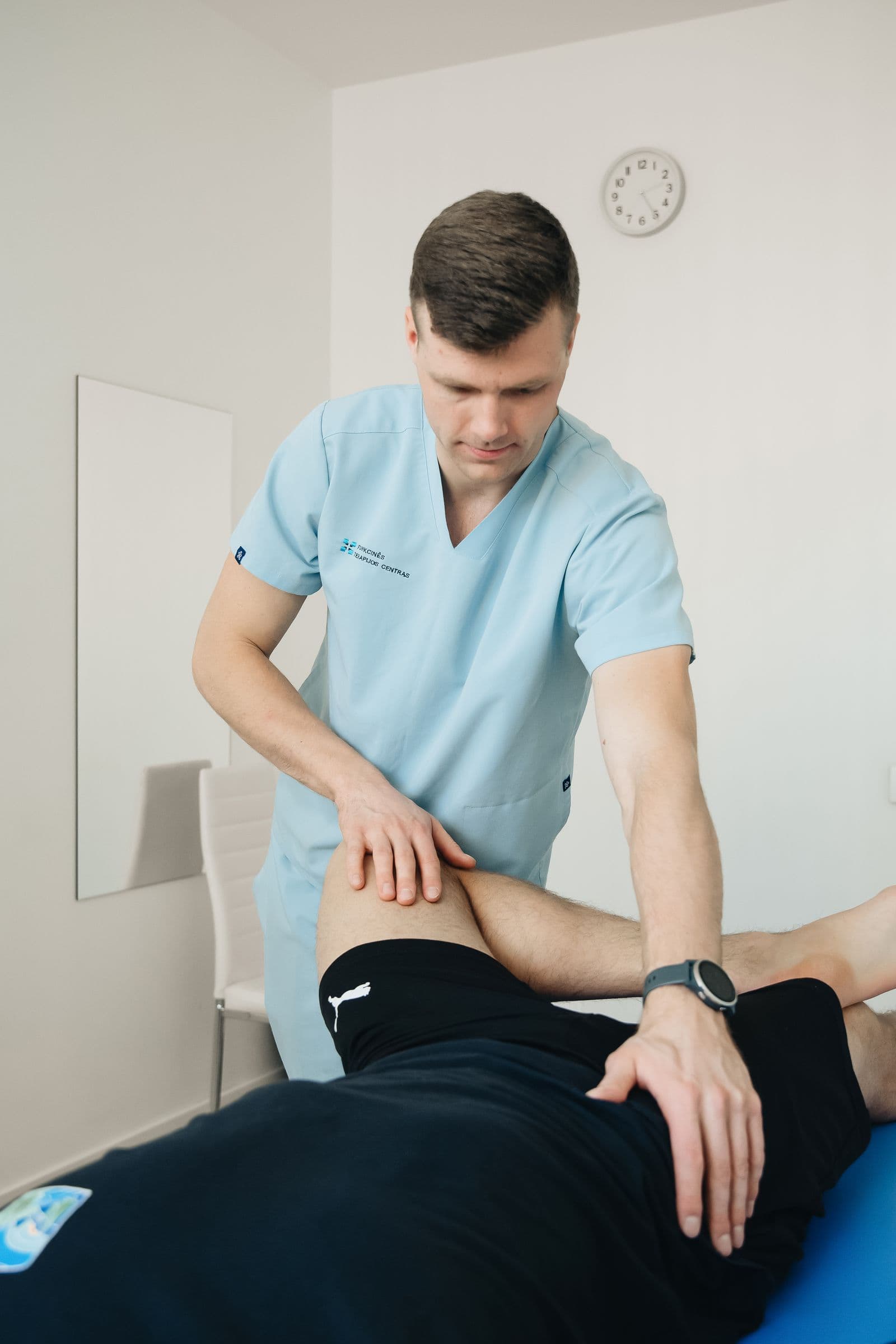
Any licensed PT can treat a sore calf. But badminton players present differently: the sport's signature injuries live in the calf-Achilles system that powers every lunge and push-off, its shoulder swings overhead at full speed like a volleyball hitter's, its sessions run long because club courts are booked by the hour, and — in the Bay Area especially — its calendar has no off-season. A badminton-literate PT asks about your session density the way a running PT asks about mileage, and rebuilds you to deep lunges and jump smashes — not just to pain-free walking.
The practical test: do they ask about your game before your pain? A badminton-literate evaluation wants your singles-vs-doubles mix, sessions per week, any recent layoff-and-comeback (the classic Achilles story), your shoes, and — for any lower-leg problem — a measured look at calf capacity, not just the sore spot.
What to look for
- Caseload, not just credentials. Ask "how many badminton or racquet-sport athletes do you treat in a typical month?" In the Bay Area's club scene, a sports clinic that never sees badminton players is missing a large athletic population.
- Calf-and-Achilles seriousness — the one non-negotiable: heel-raise capacity counted, tendon load history taken, rupture risk respected in players over 35.
- Credentials that signal investment: SCS or OCS board certifications (credentials decoded), plus racquet-sport or court-sport experience.
- A keep-you-playing philosophy. Good answer: "we'll find the session volume and shot selection your tendon tolerates and build from there." Bad answer: "stop playing until it stops hurting."
Questions to ask before booking
- How many badminton or racquet-sport players do you treat?
- Will you measure my calf capacity (single-leg heel raises), not just examine where it hurts?
- Does your lower-body rehab end in lunges and direction changes — and your shoulder rehab in a smash-volume plan?
- Can I keep playing during rehab, and what would a modified week look like (doubles, shot selection, session caps)?
- What does a typical plan look like — visits, cost, timeline — and do you provide a superbill?
Red flags
- A calf or Achilles problem treated without ever measuring heel-raise capacity
- "Stop playing" as the entire plan, with no return pathway attached
- No interest in your session density, layoff history, or shoes
- Passive-only care — heat, ultrasound, massage — with no loading program attached
Why cash-pay works in your favor here
Insurance networks assign you a PT by contract, not by specialty. Paying directly means choosing the clinician who actually rebuilds court athletes — and in most states you can book without a referral. Many plans still reimburse part of the cost via superbill.
Playing in the Bay Area? The local badminton guide covers prices and the club scene, and you can browse badminton-friendly PTs across the region when you're ready to compare.
Frequently asked questions
Sources (5)
- APTA. Direct Access by State: physical therapist direct access laws summary. — APTA
- Physical Therapy Board of California. Direct access to physical therapist services. — PTBC
- Silbernagel KG, et al. Continued sports activity, using a pain-monitoring model, during rehabilitation. Am J Sports Med. 2007. — AJSM
- Lauersen JB, et al. The effectiveness of exercise interventions to prevent sports injuries. Br J Sports Med. 2014. — BJSM
- MedlinePlus. Heel injuries and disorders. — MedlinePlus
This article is for education only and isn't medical advice. Always talk to a licensed clinician about your specific situation.