
The Bay Area Climber's Guide to Physical Therapy
Cash-pay PT for gym rats, weekend crag trips, and team families — prices, the local scene, and how to pick
Updated October 20262 minute read
The Bay Area is one of the densest climbing markets on earth — a gym in nearly every neighborhood, Castle Rock and Indian Rock within an hour, Yosemite and Bishop within a weekend — and all that volume produces fingers, elbows, and bouldering-fall ankles year-round. The region's cash-pay market supports PTs who actually know what a pulley is. Expect $175–$275 for an evaluation and $140–$220 per follow-up, with no referral needed under California direct access.
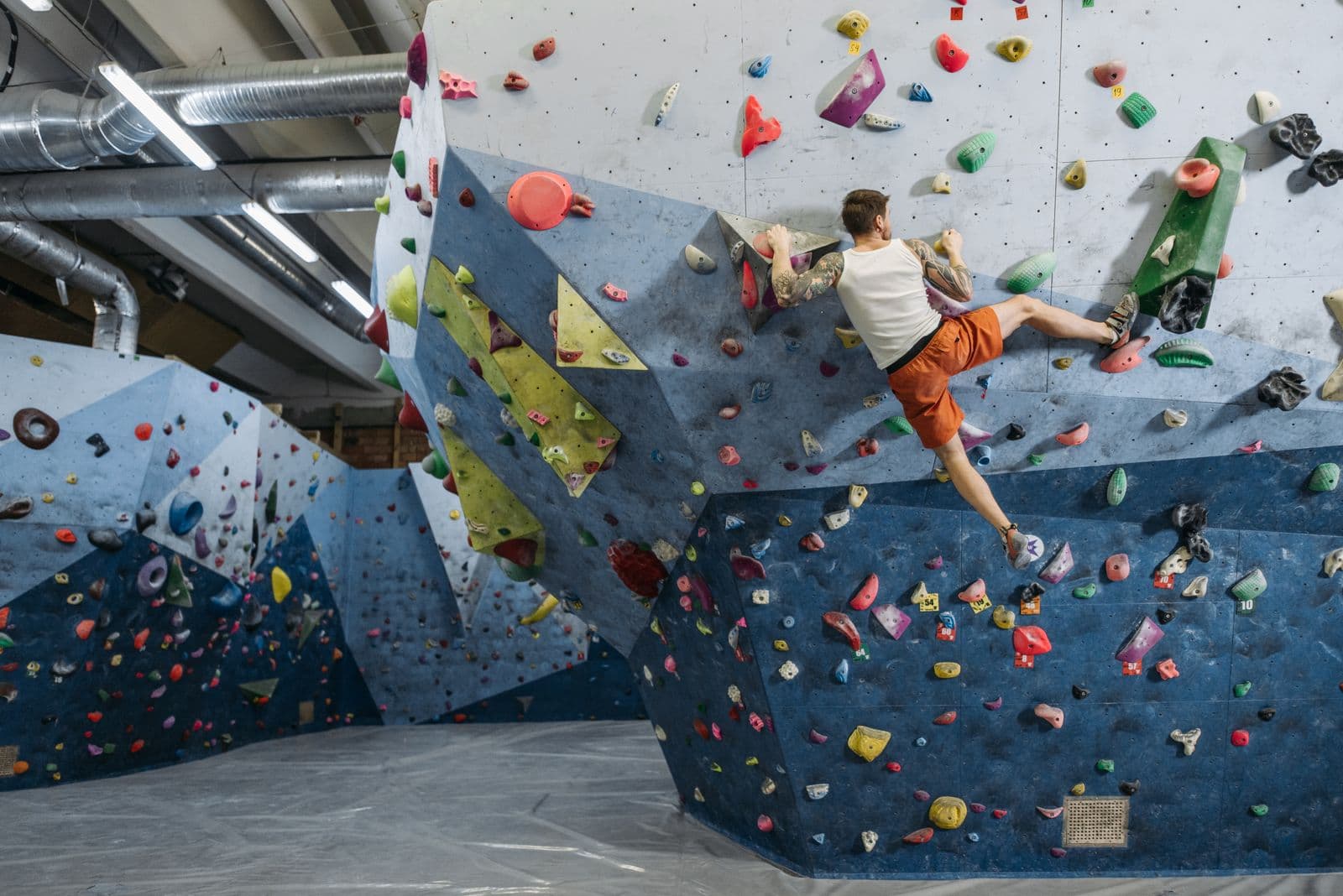
One of the densest climbing markets on earth
The Bay Area climbs indoors and out, all year: Touchstone's gyms from Mission Cliffs to Dogpatch Boulders to Berkeley Ironworks, Movement's Planet Granite legacy locations, and new bouldering gyms opening in what feels like every neighborhood — plus Indian Rock's after-work bouldering in Berkeley, Castle Rock weekends in the Santa Cruz mountains, and the Yosemite and Bishop pilgrimages that define Bay Area climbing calendars.
All that volume carries the sport's signature ledger: fingers, elbows, shoulders, and the gym-boom addition — bouldering-fall ankles and wrists. The same cash-pay market that serves the region's other athletes contains something rarer: clinicians who actually know the pulley system. California's direct access law means you can book one today, no referral required.
What climbing PT costs here
Bay Area cash-pay prices sit at the top of the national range:
- Initial evaluation: $175–$275 (usually 60–75 minutes, one-on-one)
- Follow-up sessions: $140–$220 for a one-on-one hour
- A typical elbow, shoulder, or partial-pulley episode: 6–10 visits
Most cash-pay clinics provide superbills on request — if your plan has out-of-network benefits, you'll typically recover a meaningful chunk. How reimbursement works walks through it.
How to choose, by the climber you are
The gym regular (3–4 sessions a week): your fingers keep the ledger — the load guide covers session density and the new-climber injury window, and the vetting questions find the pulley-literate clinic.
The weekend outdoor climber: the gym-to-crag transition is a finger-load cliff — gym vs outdoor covers the rules before your next Castle Rock day.
The over-40 climber: climbing ages better than almost any sport — climbing after 40 covers the warm-up pyramids and tendon maintenance that keep it that way.
Team families: youth competitive climbing has one safety-critical rule every parent and coach must know — the growth-plate finger story. Ask any clinic treating your teen whether they know it.
Book someone who knows what a pulley is
RightPT tracks cash-pay physical therapists across San Francisco, the East Bay, the Peninsula, the South Bay, and the North Bay — browse climbing-friendly PTs by region, compare specialties and prices, and book directly with no referral.
Frequently asked questions
Sources (5)
- Physical Therapy Board of California. Direct access to physical therapist services (Business and Professions Code §2620.1). — PTBC
- APTA. Direct Access by State: physical therapist direct access laws summary. — APTA
- Silbernagel KG, et al. Continued sports activity, using a pain-monitoring model, during rehabilitation. Am J Sports Med. 2007. — AJSM
- IRS. Publication 502: Medical and Dental Expenses. — IRS
- MedlinePlus. Hand injuries and disorders. — MedlinePlus
This article is for education only and isn't medical advice. Always talk to a licensed clinician about your specific situation.