
The Climbing Parent's Guide: Growth Plates, Finger Pain, and Team Season
What every parent of a youth climber needs to know about growing fingers — before the campus board does the teaching
Updated October 20263 minute read
Youth climbing is a terrific sport with one injury every parent must know by name: growth-plate stress injury in the fingers. In climbers roughly 13–16 — especially during growth spurts — intense crimping and campus-board training can fracture the growth plate in a finger joint, and it usually presents as "just finger pain." The rule: a growing climber with focal finger pain stops crimping and campusing and gets assessed promptly. That's X-ray territory, not tape-and-climb territory.
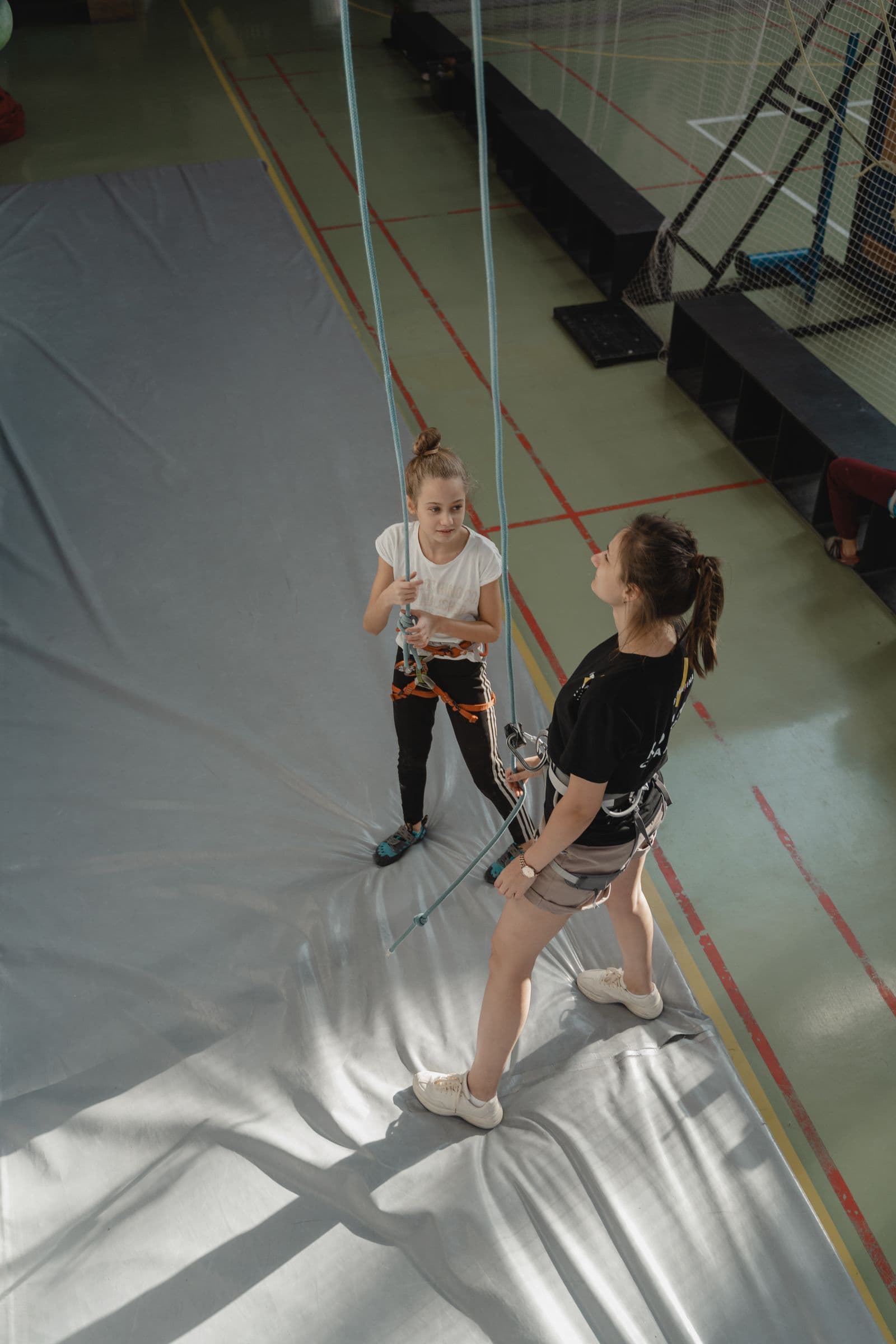
The one thing to know before anything else
Youth climbing has a signature injury, and most parents have never heard of it: growth-plate stress injury in the fingers (the medical literature calls it a primary periphyseal stress injury). In adolescents — the risk window is roughly ages 13–16, peaking during growth spurts — the growth plates in the finger joints are temporarily the weakest link in the hand, weaker than the tendons and pulleys that fail in adults. Intense crimping and campus-board training can crack that growth plate: an epiphyseal fracture, the most serious common injury in youth climbing.
Here's what makes it dangerous: it usually presents as "just finger pain." A sore middle knuckle, a kid who shakes it off and keeps climbing because the team's at nationals in a month. Undiagnosed, the fracture can progress and heal crooked — permanent joint deformity in a hand that's still being built. The climbing-medicine group around Volker Schöffl has spent two decades documenting these injuries and how to classify and image them; this page exists to put their bottom line in parents' hands.
The rule, stated plainly
A growing climber with focal finger pain — especially a swollen or stiff middle joint — stops crimping and campusing immediately and gets assessed promptly. That's X-ray territory, not tape-and-climb territory. Growth plates don't show their trouble to a waiting room exam; imaging makes the call, and growth-plate injuries in general are precisely the category where early diagnosis protects how the bone grows.
Caught early, these injuries heal well with rest and a guided return. Caught late, they're a surgical conversation. The difference is a parent who knew the rule.
Training rules for a growing climber
- No campus boards. Full stop. International climbing-medicine guidance is explicit: no campus boarding or intensive maximal finger training (double dynos to crimps included) for athletes who are still growing. A good team program enforces this without being asked — which makes it an excellent screening question for choosing a team.
- Growth spurts are caution flags. The months when pant legs get short are when growth plates are most vulnerable. Smart coaches back off crimp intensity during spurts and emphasize footwork, open-hand climbing, and movement skill — of which climbing offers endless amounts.
- Technique-first is also performance-first. The youth climbers who last (and who end up best) build movement skill and open-hand strength first; maximal finger loading has adult years waiting for it.
The calendar is a load, too
Competitive youth climbing runs team practice, private sessions, and a comp circuit — often year-round. The sports-medicine consensus for growing athletes applies fully: scheduled off-season weeks, at least one or two rest days a week, and total training hours scaled to age. Highly specialized year-round training is itself an injury risk factor, independent of any single session. The sibling guides for basketball and club volleyball fight the same calendar war.
Sore versus hurt
Teach the distinction early: sore is vague, both-handed, post-session, gone in 48 hours. Hurt is one spot, one finger, persistent, or anything that changes how they grip. Sore is training; hurt is a conversation — and in fingers, that conversation follows the rule above. Beyond fingers, growing climbers get the growing athlete's usual suspects — knee pain below the kneecap (Osgood-Schlatter) and heel pain (Sever's) — both manageable with load adjustments and both worth a PT's eyes if they linger.
Seeing a PT for a minor
After diagnosis — or for non-finger complaints — a pediatric or climbing-literate PT runs the rehab and the return plan (the return framework applies, with growth-plate timelines set by the physician). A parent or guardian books and attends for a minor. Cash-pay evaluations run $125–$250 nationally, $175–$275 in the Bay Area (what PT costs; superbill reimbursement often recovers part). Bay Area families can browse climbing-friendly PTs by region.
Talking to the coach
Good teams welcome the questions: Do you campus-board growing athletes? (Right answer: never.) How do you adjust training during growth spurts? What happens when a kid reports finger pain? A program that answers those well is protecting your kid's next forty years of climbing — which is the actual prize. For what the fingers face in adulthood, the finger-injury guide is the grown-up version of this page.
Frequently asked questions
Sources (7)
- Schöffl V, et al. Proposal of a specific classification of primary periphyseal stress injuries in adolescent climbers. 2025. — PubMed
- Schöffl VR, et al. Prospective analysis of injury demographics, distribution, severity and risk factors in adolescent climbers. BMJ Open Sport Exerc Med. 2025. — BMJ Open SEM
- Miro P, et al. Imaging of primary periphyseal finger stress injuries in climbers. 2024. — PubMed
- DiFiori JP, et al. Overuse injuries and burnout in youth sports: AMSSM position statement. Clin J Sport Med. 2014. — Clin J Sport Med
- Jayanthi NA, et al. Sports-specialized intensive training and the risk of injury in young athletes. Am J Sports Med. 2015. — AJSM
- American Academy of Orthopaedic Surgeons (OrthoInfo). Growth plate fractures. — AAOS OrthoInfo
- Bell DR, et al. Sport Specialization and Risk of Overuse Injuries: A Systematic Review With Meta-analysis. Pediatrics. 2018. — Pediatrics
This article is for education only and isn't medical advice. Always talk to a licensed clinician about your specific situation.