
Load Management for Hoopers: The Math Behind Most Basketball Injuries
The pros protect their tendons on purpose — here's the amateur version of the same idea
Updated October 20262 minute read
Most basketball overuse injuries follow a spike, not a total: the pickup run that goes two unplanned hours, the week that stacks league night plus two runs, the rec-league opener after months off. The fixes are boring and effective — think this-week-versus-your-recent- normal, treat jumping volume as its own budget, change one variable at a time, and keep rest days as tendon maintenance rather than lost time.
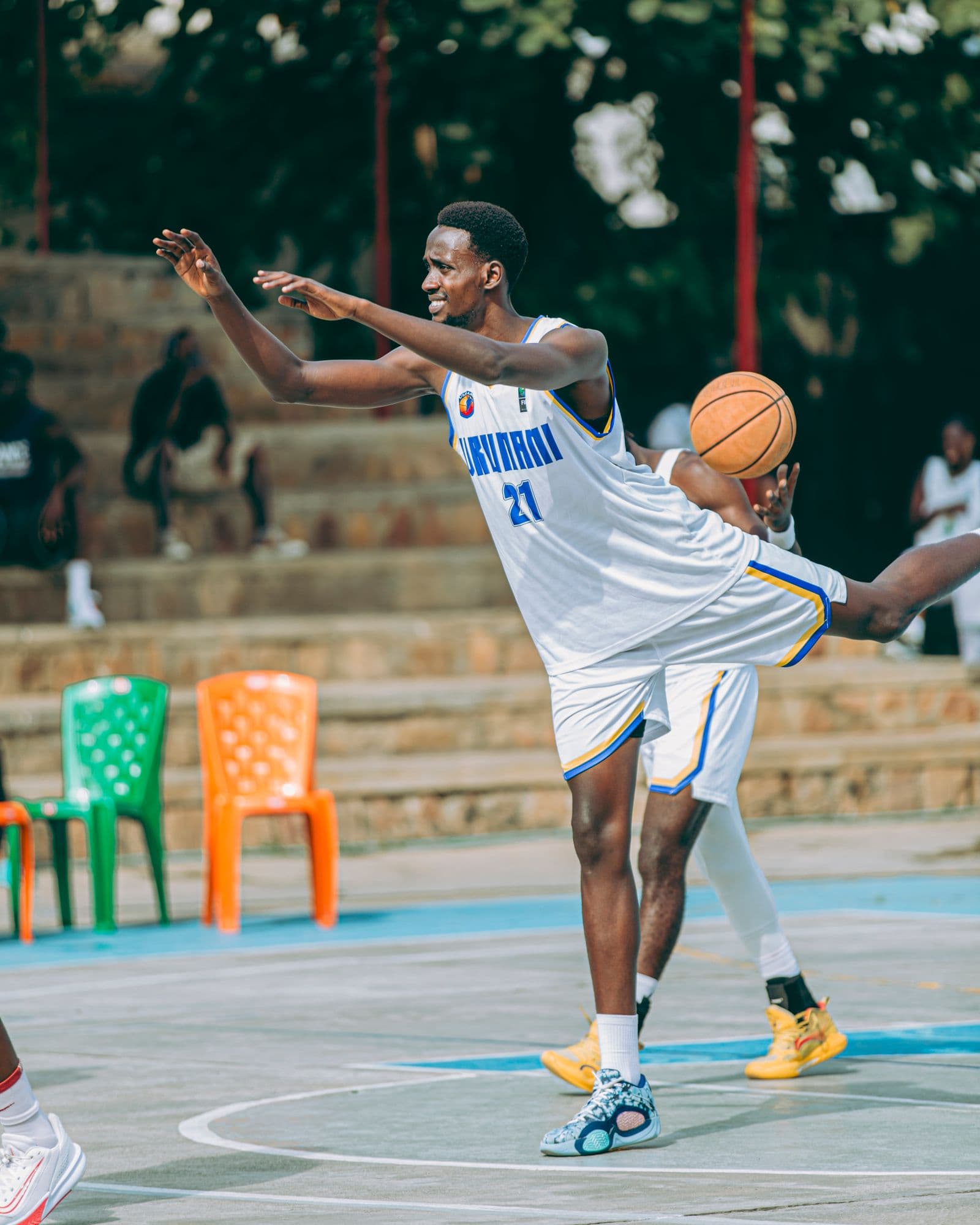
The game is designed to make you overdo it
Basketball's load problem is structural: nobody plans a pickup session. You play until you lose, run it back when you win, and a "quick run" becomes two hours of jumping, sprinting, and cutting — the three most expensive movements in sports medicine. Injury surveillance from the NBA down through college tells the same story: ankles and knees lead the counts, and the overuse share (tendons, calves) tracks accumulated load, not bad luck.
The useful mental model is the same one that protects every athlete on this site: this week versus your recent normal. Your tissues carry a budget set by the last month of play. Spend near it and you adapt. Triple it because the new Tuesday run is good, and the bill arrives — usually in the patellar tendon, the calf or Achilles, or an ankle that rolls on tired legs.
The three classic spikes
The pickup-run trap. Unplanned duration is the signature hazard — you wouldn't triple a gym workout on a whim, but "one more run" does exactly that. The fix costs nothing: decide your number of games before you arrive, and keep one in reserve.
The stacked week. Tuesday league, Thursday pickup, Saturday runs — three high-intensity sessions landing on a body whose recent normal was one. Stack gradually: add the second night for a few weeks before the third exists.
The season opener. Months off, then full-speed league minutes — the over-30 calf strain and Achilles rupture story is so consistent it's a cliché (why that one doesn't negotiate). Two or three ramp-up runs before game one is the cheapest insurance in the sport. Rupture incidence has climbed for decades precisely as recreational court sports grew.
Jumping volume is its own budget
Minutes aren't the whole story — jumps are the tendon's currency. A session of rebounds, blocks, and dunk attempts spends differently than the same minutes spent spotting up. During any knee or calf grumble, trimming jumping while keeping the game is the highest- precision modification basketball allows.
The habits, in order of value
- One variable at a time — sessions per week, OR intensity, OR a new surface (blacktop counts), never two in the same week.
- Space the hard days. Back-to-back nights are a pro-level demand; give tendons 48 hours when you can.
- Ramp before seasons and after layoffs — two or three graduated runs beat any amount of good intentions.
- Keep the strength work — it roughly halves overuse risk and raises the whole budget.
- Warm up like it matters (the six minutes) — especially for the first run of the day and the first week of any season.
The same math runs every sport on this site — pickleball's version is nearly identical for the same reason: social sports make overdoing it effortless.
When the pattern already hurts
A niggle that survives two weeks of sensible modification has a cause worth finding — usually a capacity gap a PT can map in one visit. Cash-pay evaluations run $125–$250 ($175–$275 in the Bay Area), and a superbill often recovers part of it (what PT costs). Here's how to find a PT who knows the game, and Bay Area hoopers can browse basketball-friendly PTs by region.
Frequently asked questions
Sources (5)
- Gabbett TJ. The training-injury prevention paradox: should athletes be training smarter and harder? Br J Sports Med. 2016. — BJSM
- Drakos MC, et al. Injury in the National Basketball Association: a 17-year overview. Sports Health. 2010. — Sports Health
- Dick R, et al. Descriptive epidemiology of collegiate men's basketball injuries: NCAA Injury Surveillance System. J Athl Train. 2007. — J Athl Train
- Lantto I, et al. Epidemiology of Achilles tendon ruptures: increasing incidence over a 33-year period. Scand J Med Sci Sports. 2015. — SJMSS
- Lauersen JB, et al. The effectiveness of exercise interventions to prevent sports injuries: systematic review and meta-analysis. Br J Sports Med. 2014. — BJSM
This article is for education only and isn't medical advice. Always talk to a licensed clinician about your specific situation.