
Strength & Landing Training for Basketball: What Actually Prevents Injuries
The four systems that keep hoopers on the court — and why you earn your bounce in the weight room
Updated October 20262 minute read
Strength training roughly halves overuse injury risk, and basketball's version targets four systems: calf capacity (Achilles insurance), single-leg strength with landing control (knee and ACL insurance), lateral hip strength (ankle and cutting control), and tendon-specific heavy-slow loading for jumper's knee. Two 20–30 minute sessions a week cover all four — and the landing work is about quiet, absorbed landings, not fear of your knees.
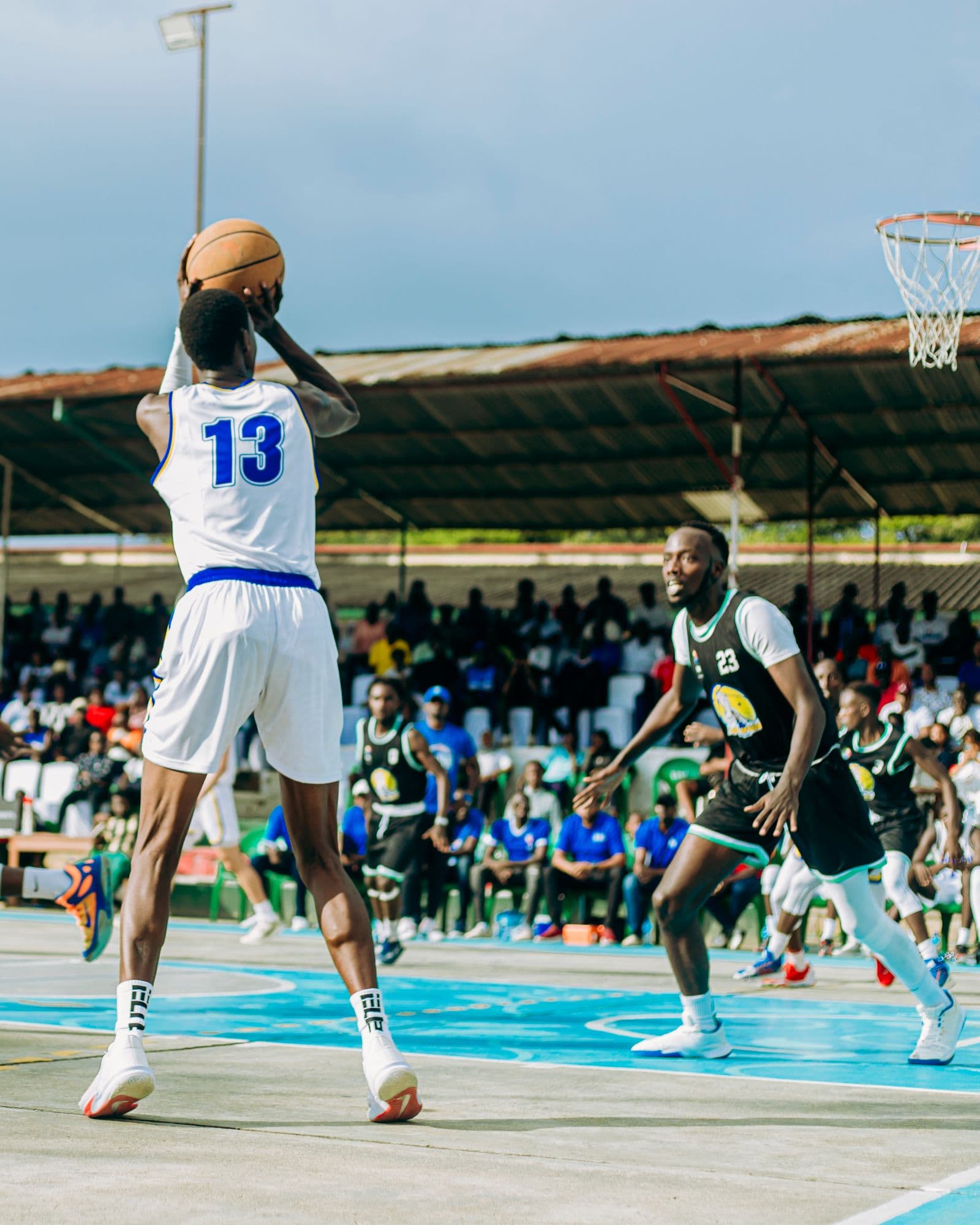
The best-supported insurance in sports
Across sports medicine, one prevention finding towers over the rest: structured strength work roughly halves overuse injury risk. For a sport whose injury list is ankles, patellar tendons, and calves — court sports top the ankle-sprain tables, and basketball's own risk research is decades deep — that's not a nice-to-have. It's the difference between playing at 45 and remembering playing.
The basketball version targets four systems. Two 20–30 minute sessions a week cover all of them.
The basketball four
1. Calf capacity — the Achilles policy. Heavy calf raises, both straight-knee and bent-knee, 3 sets of 8–12, loaded enough to be hard. Every jump, land, and first step runs through this tissue, and the rupture story almost always begins with calves that haven't been trained in years.
2. Single-leg strength and landing control — the knee policy. Split squats, step-downs, single-leg squats to a box — slow and controlled — then the landing drill: jump, land quietly with bent hips and knees, stick it. Quiet landings spread force through muscle instead of joint; they're trainable in weeks and they're the heart of every serious knee-injury-prevention program.
3. Lateral hip strength — the ankle-and-cut policy. Side planks, banded lateral walks, single-leg hip work. The hip is what keeps the knee and ankle stacked when you cut and close out — and rolled ankles love tired hips (the ankle page).
4. Tendon-specific loading — the jumper's-knee policy. For patellar tendons (grumbling or not): heavy, slow resistance — slow squats or leg press, 3–4 seconds down — is the loading style trials support over rest and injections, with isometric holds as the in-season companion. Full decision rules live in can I play through jumper's knee.
Landing mechanics, honestly
The internet oversells landing "technique" panic — knees are stronger than the discourse suggests, and knee-over-toe motion is something to build tolerance for, not fear. What's worth training is simple: absorb (bend), land quiet, favor two-foot landings in traffic, and build the strength that makes good mechanics available when you're tired — because fatigue, not form knowledge, is when landings get expensive.
Plyos: earn the bounce
Jump programs work — after strength exists. The progression that keeps tendons happy: strength first (weeks), then low-dose hops and skips, then bounding and depth work, added like any load (one variable at a time). Buying a jump program while your calves can't do 20 heavy raises is buying jumper's knee.
In-season vs off-season
- Off-season: build — progress load weekly, three sessions if you love it.
- In-season: maintain — two short sessions, weights held steady, scheduled away from game nights.
- During a flare: the program is the treatment — dosing it around symptoms is exactly what a PT visit buys (how to find one who knows the game).
A cash-pay evaluation runs $125–$250 ($175–$275 in the Bay Area, what PT costs) and typically ends with a program built around your schedule — a superbill often recovers part of it. Bay Area players can browse basketball-friendly PTs by region.
Frequently asked questions
Sources (5)
- Lauersen JB, et al. The effectiveness of exercise interventions to prevent sports injuries: systematic review and meta-analysis. Br J Sports Med. 2014. — BJSM
- Kongsgaard M, et al. Corticosteroid injections, eccentric decline squat training and heavy slow resistance training in patellar tendinopathy. Scand J Med Sci Sports. 2009. — SJMSS
- Malliaras P, et al. Patellar Tendinopathy: Clinical Diagnosis, Load Management, and Advice for Challenging Case Presentations. J Orthop Sports Phys Ther. 2015. — JOSPT
- Doherty C, et al. The incidence and prevalence of ankle sprain injury: a systematic review and meta-analysis. Sports Med. 2014. — Sports Med
- McKay GD, et al. Ankle injuries in basketball: injury rate and risk factors. Br J Sports Med. 2001. — BJSM
This article is for education only and isn't medical advice. Always talk to a licensed clinician about your specific situation.