
Ankle Sprains in Basketball: The Sport's #1 Injury, Handled Right
The landing that rolls it, the X-ray decision, and the rehab that breaks the re-sprain spiral
Updated October 20263 minute read
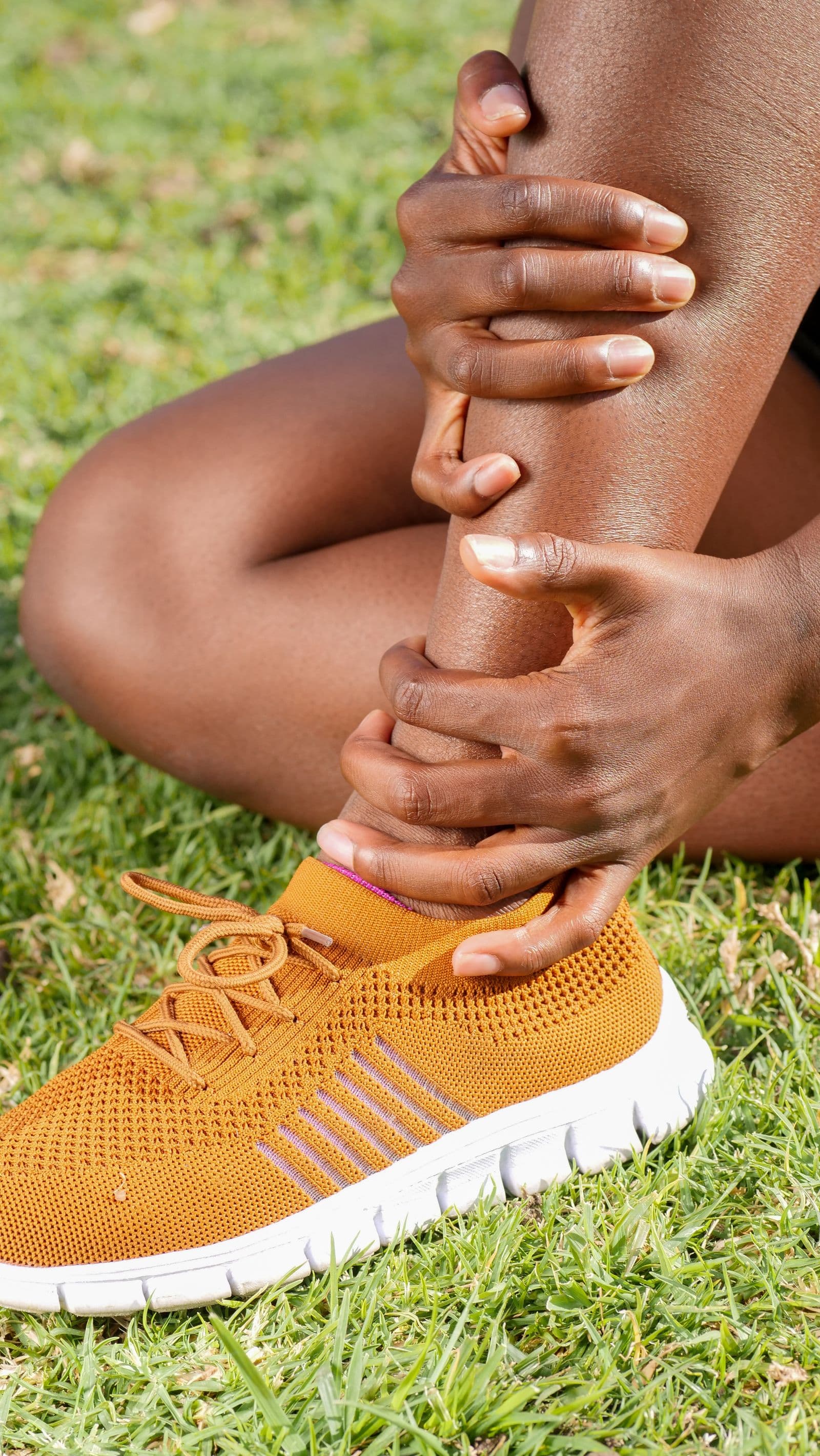
Ankle sprains are basketball's most common injury, and most of them happen on landings — coming down from a rebound or contest onto another player's foot — not on open-court cuts. The acute questions are whether you can bear weight and whether the bone itself is tender (that's the X-ray conversation). The career question is different: an ankle that gets balance-and-strength rehab rarely becomes a repeat offender, while an ankle that just gets rested usually does.
Why basketball owns this injury
Every study of basketball injuries puts the ankle at the top of the list, and the mechanism is more specific than "I cut too hard." The classic basketball sprain happens in the air: you go up for a rebound or a contest, and you come down on the edge of someone else's shoe. Landing on an opponent's foot is the single best-documented risk moment in the sport — which is worth knowing, because it means crowded paint, not clumsiness, writes most of these stories.
The other famous finding from the basketball research: a history of a previous sprain is one of the strongest predictors of the next one. That's the re-sprain spiral, and breaking it is this page's real job.
The first hour: the X-ray decision
Two questions sort a fresh sprain:
- Can you bear weight? Four steps, even with a limp, is the informal screen. Unable to take weight at all → X-ray conversation.
- Is the bone itself tender? Press the bony knobs on both sides of the ankle and along the outside edge of the foot. Tenderness on bone (not the soft tissue below and in front of the ankle knob, where sprains actually live) → X-ray conversation.
Neither of those? You're very likely in ankle sprain territory: early protected movement beats strict rest, swelling is managed rather than feared, and rehab starts within days, not weeks.
One pattern that runs longer: the high ankle sprain
Pain above the ankle joint — between the two shin bones — that flares when you push off or when the leg is twisted outward is a high ankle (syndesmosis) sprain. It's less common, it's famously underestimated, and it heals on a longer clock than the standard roll. If your pain lives above the joint line, get it graded properly before anyone promises you a two-week return.
The re-sprain spiral — and the exit
Basketball is the perfect re-sprain machine: every possession asks for the exact cutting, decelerating, and crowded landings that test an ankle's reflexes. An unrehabbed sprain leaves two gaps — weakened side-of-ankle muscles and dulled balance reactions — that a brace can cover but only training can close.
The exit is boring and reliable: progressive balance work (single-leg stands → reaches → unstable surfaces → eyes-busy drills), strengthening through the foot and outside of the ankle, and then graded return to the sport's actual demands — hopping, cutting, and landing drills before full-speed fives. The return guide lays out the gates, and jump-landing strength work is the long-term insurance.
Braces and tape, honestly
This is one of the few places in sports medicine where the gear evidence is genuinely strong: for players with a sprain history, lace-up braces reduce re-sprain risk, and the trial data favors bracing even when compared against training alone. Tape works but loosens with sweat and minutes. The honest framing: brace and train — the brace protects this season, the training protects the next ten. (Shoes matter less than marketed — high tops are not a rehab plan.)
When to book
Book promptly if you couldn't bear weight, the bone is tender, pain sits above the joint line, or the swelling is dramatic. Book this week if it's your second-or-later sprain on that side (the spiral is the diagnosis), or if two weeks of sensible self-care hasn't restored confident walking and stairs. Cash-pay evaluations run $125–$250 ($175–$275 in the Bay Area, what PT costs), a superbill often recovers part of it, and here's how to find a PT who treats hoopers — Bay Area players can browse basketball-friendly PTs by region.
Frequently asked questions
Sources (6)
- McKay GD, et al. Ankle injuries in basketball: injury rate and risk factors. Br J Sports Med. 2001. — BJSM
- Doherty C, et al. The incidence and prevalence of ankle sprain injury: a systematic review and meta-analysis. Sports Med. 2014. — Sports Med
- Gribble PA, et al. Evidence review for the 2016 International Ankle Consortium consensus statement. Br J Sports Med. 2016. — BJSM
- Janssen KW, et al. Bracing superior to neuromuscular training for the prevention of self-reported recurrent ankle sprains: a randomised controlled trial. Br J Sports Med. 2014. — BJSM
- AAOS OrthoInfo. Sprained ankle. — AAOS OrthoInfo
- ChoosePT (APTA). Physical therapy guide: ankle sprain. — ChoosePT
This article is for education only and isn't medical advice. Always talk to a licensed clinician about your specific situation.