
The Swimmer's Resource Library: Technique, Masters, Open Water & Community
The outside resources our PTs actually point swimmers to — free where possible, honest about what each is for
Updated October 20262 minute read
A short, vetted list of the external resources worth a swimmer's time: technique video libraries, the masters swimming network, the Bay Area's open-water institutions, and the communities that keep people in the water — with a note on what each is genuinely good for and where physical therapy picks up what they can't.
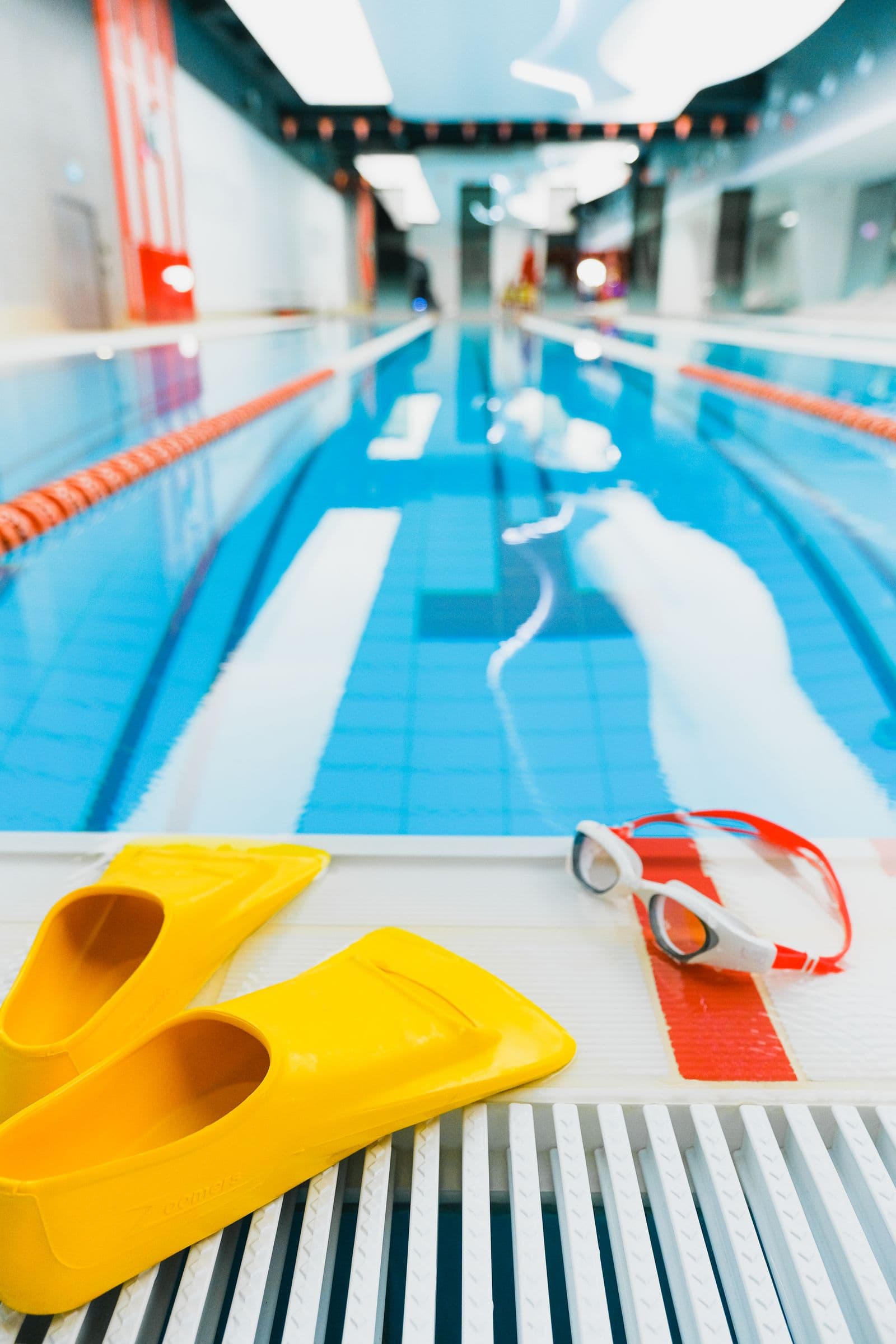
A note before the links: these are external sites we don't control, and none of them pay to be here. Where something costs money, we say so.
Technique: see what your stroke should be doing
- GoSwim — the deepest library of stroke-technique video, built by Olympians; subscription for full access, with plenty free. The place to see the hand-entry and breathing fixes your coach or PT describes.
- Effortless Swimming — technique breakdowns and a long-running podcast, strong on adult-onset swimmers and triathletes; free YouTube library, paid analysis if you want eyes on your own video.
Technique changes are load changes — introduce them the way swim technique and injury describes, and remember that volume still rules.
Masters swimming: the adult on-ramp
- U.S. Masters Swimming — the national adult swimming organization: club finder, coached workouts, events, and insurance for organized practices. If you're returning to the water as an adult, a coached masters practice beats solo lane-grinding on every axis — structure, technique eyes, and people who notice when you're gone.
- Pacific Masters — the Bay Area's regional masters body: dozens of local clubs from SF to San Jose, open water events, and one of the deepest adult swim communities in the country. The masters swimmer's guide covers coming back without a shoulder flare.
Bay Area open water: the local institutions
- The Dolphin Club and the South End Rowing Club — Aquatic Park's century-and-a-half-old cold-water clubs. Day passes exist, the community is welcoming, and there is no better way to learn safe cold-water swimming than alongside people who do it daily.
- Alcatraz Sharkfest and Odyssey Open Water — the organized ways to swim the crossings and bay races with kayak support and safety cover. Train for them with the open-water guide.
Community and news
- r/Swimming — beginner-friendly Q&A, gear threads, and honest technique feedback.
- SwimSwam — the sport's news site; also the fastest way for club-swim parents to understand the culture their kid just joined (pair it with the parents' guide).
- USA Swimming — the governing body for club and age-group swimming: club finder, safe sport resources, and the rulebook behind your kid's meets.
What the internet can't do
Every resource above works best on a healthy shoulder. Pain that's lasted more than two weeks, changes your stroke, or returns every time yardage ramps up needs an actual evaluation — the traffic-light rules tell you how urgent, and what PT costs covers the money. If you're local, browse swim-friendly PTs across the Bay Area; either way, here's how to pick a good one.
Frequently asked questions
Sources (5)
- Wanivenhaus F, et al. Epidemiology of injuries and prevention strategies in competitive swimmers. Sports Health. 2012. — Sports Health
- Lauersen JB, et al. The effectiveness of exercise interventions to prevent sports injuries: systematic review and meta-analysis. Br J Sports Med. 2014. — BJSM
- APTA. Direct Access by State: physical therapist direct access laws summary. — APTA
- American Physical Therapy Association. ChoosePT: Physical Therapy Guide to Shoulder Impingement Syndrome. — ChoosePT
- National Library of Medicine. MedlinePlus: Sports Injuries. — MedlinePlus
This article is for education only and isn't medical advice. Always talk to a licensed clinician about your specific situation.