
The Masters Swimmer's Guide to Staying in the Water
Coming back after years away, training on older tissue, and when a PT check pays for itself
Updated October 20262 minute read
Adult swimmers coming back after years away regain feel for the water in weeks — but shoulder capacity rebuilds over months, which is why the classic masters injury arrives a month into an enthusiastic comeback. Start at two to three swims a week, rebuild with strength work on land, and treat the first season back as its own training block rather than a return to what you did at twenty.
The comeback that works
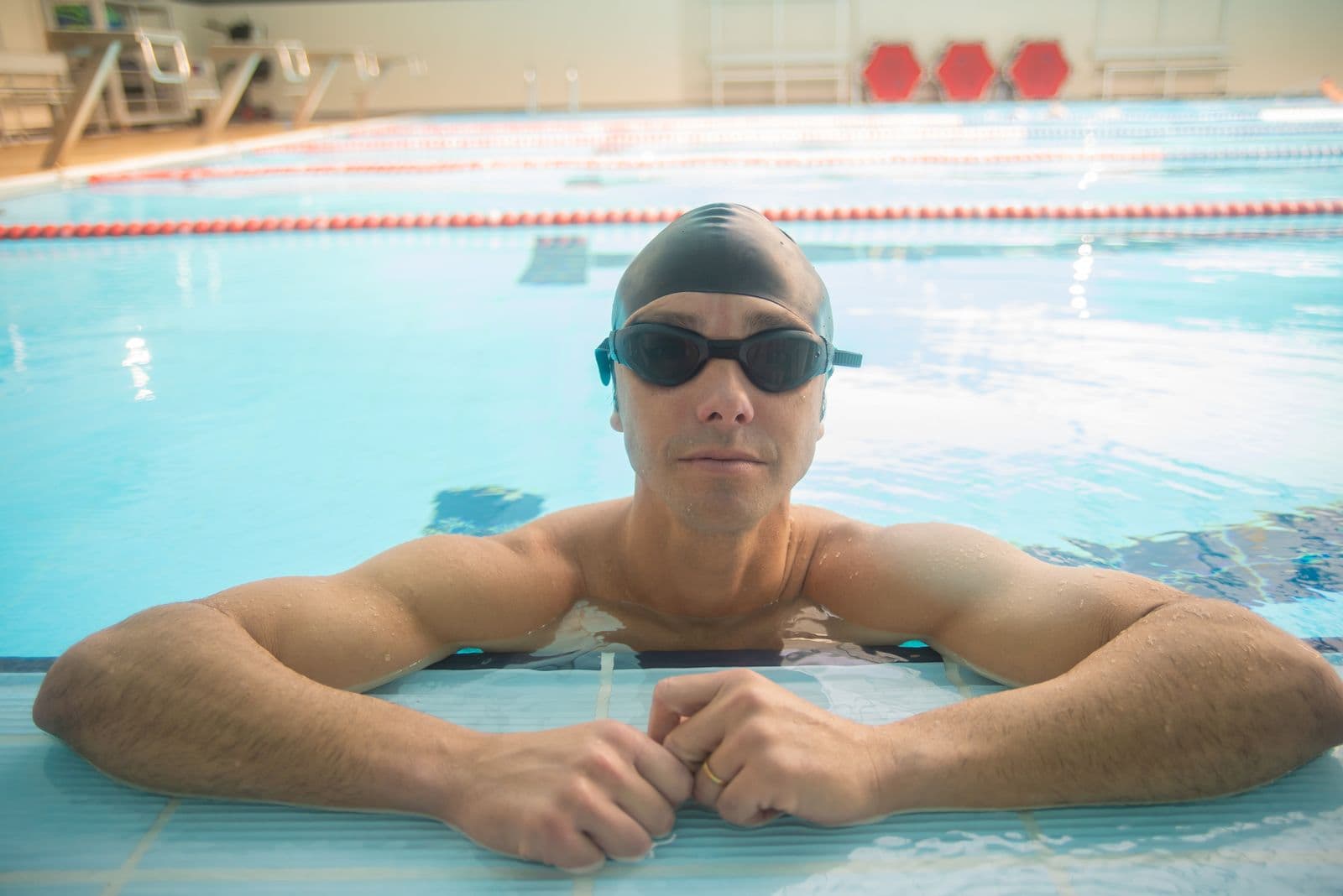
The masters story is usually the same: swam seriously once, years of work and family, then a return — and four enthusiastic weeks later, a shoulder that won't warm up. The mechanism is predictable. Feel for the water comes back in weeks; tissue capacity rebuilds over months. Technique rust adds extra load on top (a decayed catch is a dropped-elbow pull until proven otherwise), and the result is the sport's most preventable injury.
The comeback plan that works:
- Two to three swims a week for the first month or two — not five. Consistency beats volume while capacity rebuilds.
- Short practices, easy intensity, no paddles. Equipment comes back last — the yardage progression rules apply double on a comeback.
- Start dryland from day one. Land strength rebuilds faster than swim-specific tissue tolerance and protects it while it catches up.
- Expect three months to feel durable, not three weeks. The water will feel good long before the shoulder is ready for what you could once do.
Strength work matters more with age, not less
Tendon and muscle lose capacity quietly with the decades, and the shoulder's margin for error shrinks with them. The evidence is blunt: structured strength work roughly halves overuse injury risk, and it's precisely the aging athlete who benefits most. Two 20–30 minute sessions a week of the swimmer's dryland essentials — cuff, scapula, pulling strength, core — is the single best investment a masters swimmer can make. The runners' version of this sermon is the same evidence on land.
The masters-specific patterns
- The enthusiasm shoulder. Volume rebuilt faster than capacity — see above. By far the most common.
- The breathing-side neck. Decades of breathing to one side plus a mid-back that's stiffened from desk years: the neck does rotation the thoracic spine should contribute. Bilateral breathing, body-roll work, and thoracic mobility fix most of it.
- The grumbling shoulder that never quite flares. Aching after practice, fine by morning, for months. That's a capacity gap talking — it responds beautifully to a strength block and tends to end badly if ignored through a season of creeping yardage.
Anything sharp, worsening, or stroke-changing gets the full swimmer's shoulder workup.
When a PT check earns its fee
Three moments: before your first season back after years away (find the capacity gaps before the water does), when the same shoulder grumbles every build, and when you're adding something new — a first open-water season, a return to butterfly, a meet taper. One or two visits with a PT who treats swimmers — vetting guide here — typically produces a personal dryland program and a progression plan. Cash-pay, that's $125–$250 ($175–$275 in the Bay Area), often partly reimbursable — how reimbursement works.
The Bay Area makes all of this easy to act on: Pacific Masters hosts one of the country's deepest masters communities, with morning lanes in every corner of the region — and a matching bench of cash-pay PTs who treat adult swimmers. Browse swim-friendly PTs by region, or start with the Bay Area swimmer's guide.
Frequently asked questions
Sources (5)
- Lauersen JB, et al. The effectiveness of exercise interventions to prevent sports injuries: systematic review and meta-analysis. Br J Sports Med. 2014. — BJSM
- Tanaka H, Seals DR. Endurance exercise performance in Masters athletes: age-associated changes and underlying physiological mechanisms. J Physiol. 2008. — J Physiol
- Kerr ZY, et al. Epidemiology of National Collegiate Athletic Association men's and women's swimming and diving injuries. Br J Sports Med. 2015. — BJSM
- Wanivenhaus F, et al. Epidemiology of injuries and prevention strategies in competitive swimmers. Sports Health. 2012. — Sports Health
- Soligard T, et al. How much is too much? (Part 1) International Olympic Committee consensus statement on load in sport and risk of injury. Br J Sports Med. 2016. — BJSM
This article is for education only and isn't medical advice. Always talk to a licensed clinician about your specific situation.