
Sweep vs Sculling: How One Oar or Two Changes Your Injuries
Asymmetry, rib sidedness, feathering wrists — and what the evidence actually supports
Updated October 20262 minute read
Sweep rowing loads one side harder — rotation toward the rigger, side-biased rib and back load, and the sport's folk wisdom about switching sides — while sculling loads symmetrically but doubles the feathering work the wrists do. The honest reading of the evidence: measurable asymmetries exist in rowers, their link to specific injuries is suggestive rather than settled, and the practical moves (side variety, sculling blocks, symmetric strength work, early rib reporting) are cheap either way.
Two sports wearing one name
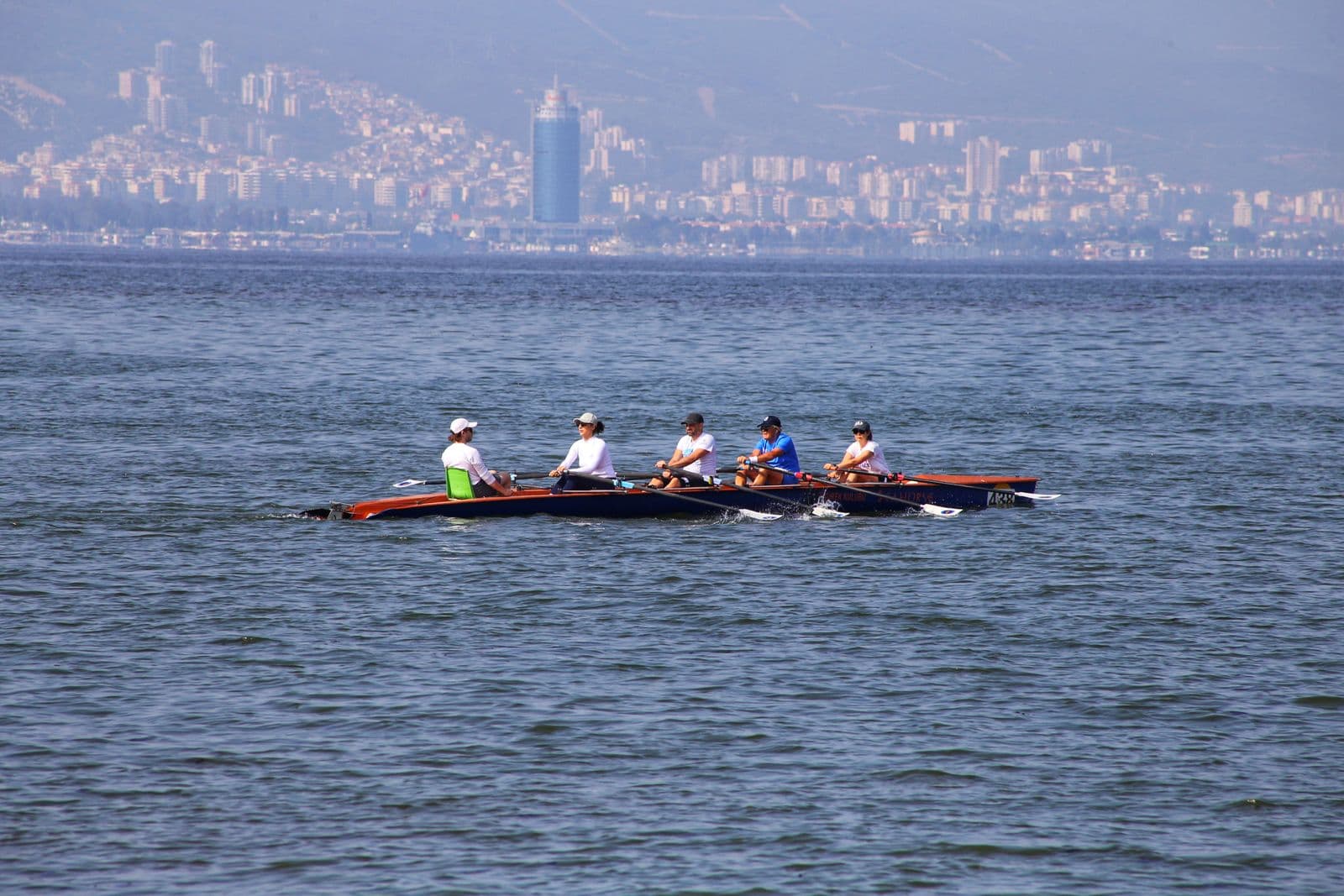
Sweep rowing (one oar, two hands, eights and fours and pairs) and sculling (two oars, singles and doubles and quads) share an engine and a slide — and load the body differently enough that the difference shows up in clinics. Neither is "the dangerous one." They just send their bills to different addresses.
What sweep does
A sweep stroke rotates and side-bends the trunk toward the rigger on every drive — thousands of same-side repetitions per week. The measurable facts: researchers have documented strength asymmetries in oarsmen's backs and legs, and kinematic and foot-force asymmetries persist even on the ergometer, where there's no oar at all. Clinically, sweep's signature concerns are:
- Side-biased rib load. Rib stress injuries in sweep rowers cluster with load and technique, and the side you row can show up in where the rib hurts — the rib guide covers the injury itself.
- Side-specific back complaints. A back that always flares on rigger-side rotation is giving you mechanical information worth bringing to a PT visit.
The honest caveat: the link from measured asymmetry to specific injury is suggestive, not settled — elite-cohort surveillance finds the low back leading injury counts in both disciplines, and no trial proves side-switching prevents anything. Treat asymmetry management as cheap, plausible insurance, not doctrine.
What sculling does
Sculling is symmetric — the reason rehab often routes through a single or the erg — but it isn't free:
- Double the feathering. Every stroke, both wrists flick the blades flat and square again; forearm and wrist overuse is the sculler's tax, especially in cold water and high mileage.
- The same back and knees. The hinge is the hinge: catch compression, drive load, and knee and hip demands carry over discipline-to-discipline.
What to actually do about it
- Build symmetric strength off the water. Hinge, single-leg, and anti-rotation core work — the strength guide — is the counterweight to thousands of one-sided strokes.
- Use side variety and sculling blocks where your program allows, especially for juniors; expect and plan the technique dip.
- Respect the switch as a load spike. New side, new discipline, or back-in-a-pair-after-years all count as spikes under the load rules.
- Report side-specific pain early. Focal rib pain or one-sided back pain that tracks your rigger side is a see-someone-now pattern, not a stretch-it-out pattern — the traffic-light rules grade it.
When it's time for help
A PT who knows the stroke can read side-bias from your erg video and your boat class, test what's actually asymmetric, and build the counterweight program — here's how to find one, and the Bay Area directory lists rowing-friendly options. Most episodes resolve in 6–12 visits; what PT costs and how superbills work cover the money side.
Frequently asked questions
Sources (6)
- Parkin S, et al. Do oarsmen have asymmetries in the strength of their back and leg muscles? J Sports Sci. 2001. — J Sports Sci
- Buckeridge E, et al. Kinematic asymmetries of the lower limbs during ergometer rowing. Med Sci Sports Exerc. 2012. — MSSE
- Buckeridge EM, et al. Foot force production and asymmetries in elite rowers. Sports Biomech. 2014. — Sports Biomech
- Trease L, et al. Epidemiology of injury and illness in 153 Australian international-level rowers over eight international seasons. Br J Sports Med. 2020. — BJSM
- Hosea TM, Hannafin JA. Rowing injuries. Sports Health. 2012. — Sports Health
- D'Ailly PN, et al. Rib stress fractures among rowers: a systematic review on return to sports, risk factors and prevention. J Sports Med Phys Fitness. 2016. — J Sports Med Phys Fitness
This article is for education only and isn't medical advice. Always talk to a licensed clinician about your specific situation.