
How to Find a Physical Therapist Who Actually Works With Rowers
The questions, the red flags, and why rib literacy is the thing to insist on
Updated October 20262 minute read
A rowing-literate PT treats endurance and hinge-sport athletes regularly, takes chest-wall pain seriously (rib stress is the sport's signature trap), asks about your meters, erg-vs-water mix, and selection calendar before judging your body, and rebuilds you to full-pressure rowing — not just to pain-free sitting. You can book directly in most states, and cash-pay means you pick the specialist rather than whoever is in-network.
Why "rowing PT" is a real niche
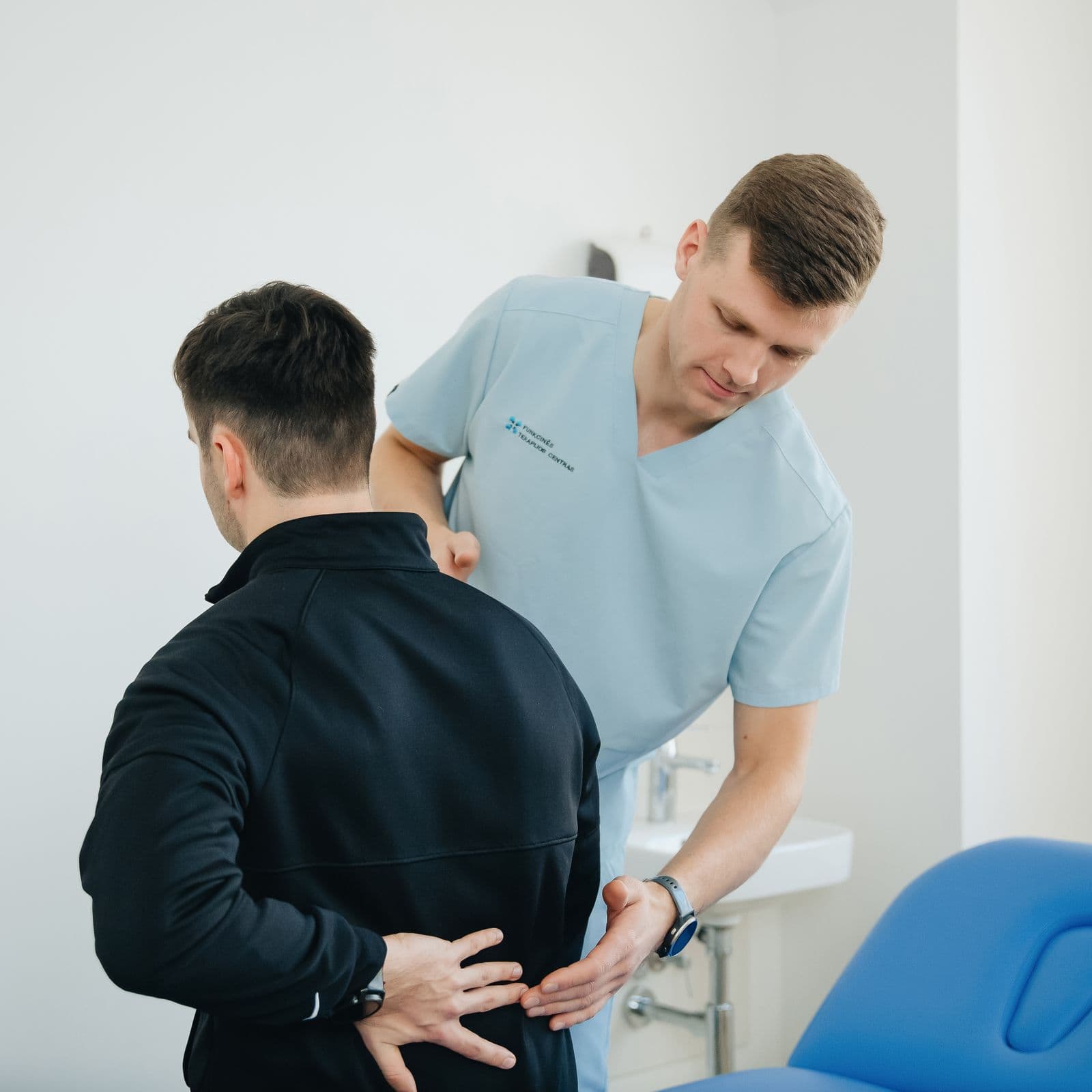
Any licensed PT can treat a sore back. But rowers present differently: the sport loads a flexed spine a thousand strokes a session, its signature injury lives in the ribs where most clinics rarely look, its training is counted in meters and split times, and its calendar (winter erg blocks, spring selection, head season) is itself a risk factor. A rowing-literate PT reads an erg schedule the way a running PT reads a mileage log, and rebuilds you to full-pressure rowing — not just to pain-free sitting.
The practical test: do they ask about your rowing before your pain? A rowing-literate evaluation wants your sweep-vs-scull answer and side, weekly meters, erg-vs-water mix, recent volume changes, and — for any chest-wall pain — a serious rib-stress screen.
What to look for
- Caseload, not just credentials. Ask "how many rowers — junior, collegiate, or masters — do you treat in a typical year?" In the Bay Area's club scene, a sports clinic that never sees rowers is missing a whole community.
- Rib literacy — the one non-negotiable: chest-wall pain in a rower treated as a differential to rule out, not a muscle strain to massage.
- A hinge-strength philosophy. Rowing rehab that never loads a hip hinge isn't rowing rehab; strength and mobility shows what the plan should contain.
- Credentials that signal investment: SCS or OCS board certifications (credentials decoded), plus any rowing background — a PT who has pulled a 2k reads your training log differently.
Questions to ask before booking
- How many rowers do you treat, and from which clubs or programs?
- How do you evaluate chest-wall pain in a rower — and when do you send it for imaging?
- Will your plan include loaded hip-hinge strength and a graded return to erg meters, not just stretches?
- Can I keep training during rehab, and what would a modified week look like (bike/swim cross-training, rate caps, pressure caps)?
- What does a typical plan look like — visits, cost, timeline — and do you provide a superbill?
Red flags
- Chest-wall pain called a "strain" without any rib-stress screen
- "Stop rowing and stretch" as the entire plan for back pain
- No interest in your meters, erg block, or selection calendar
- Passive-only care — heat, ultrasound, massage — with no loading program attached
Already seen a doctor, or have imaging? Request a match — free.
If a doctor has checked you out and physical therapy is an option, tell us where you are. We'll send you cash-pay PTs nearby who treat this, with their prices and first openings — bring your results to the first visit. You choose; we don't give medical advice.
We check two or three cash-pay PTs near you. We reply within 1 business day with next steps.
Why cash-pay works in your favor here
Insurance networks assign you a PT by contract, not by specialty. Paying directly means choosing the clinician who actually speaks rowing — and in most states you can book without a referral. Many plans still reimburse part of the cost via superbill.
Rowing in the Bay Area? The local rowing guide covers prices and the club scene, and you can browse rowing-friendly PTs across the region when you're ready to compare.
Frequently asked questions
In most states, no — direct access laws let you book a PT evaluation directly. California allows 45 days or 12 visits before a physician needs to be involved, which covers most back, wrist, and knee episodes start to finish. The exceptions: chest-wall pain that worsens with rowing or breathing (possible rib stress injury) and back pain with leg symptoms go to assessment and often imaging early.
Sources (5)
- APTA. Direct Access by State: physical therapist direct access laws summary. — APTA
- Physical Therapy Board of California. Direct access to physical therapist services. — PTBC
- Silbernagel KG, et al. Continued sports activity, using a pain-monitoring model, during rehabilitation. Am J Sports Med. 2007. — AJSM
- Hayden JA, et al. Exercise therapy for chronic low back pain. Cochrane Database Syst Rev. 2021. — Cochrane
- MedlinePlus. Back pain. — MedlinePlus
This article is for education only and isn't medical advice. Always talk to a licensed clinician about your specific situation.