
Rowing Load Management: Meters Are the Currency
Erg blocks, 2k tests, and selection season — the spikes that write rowing's injury stories
Updated October 20262 minute read
Rowing's loads are countable — meters, sessions, and splits — and its injuries cluster exactly where the counting stops: the winter erg block, the 2k-test week, selection season, and the masters comeback. Ergometer volume is the best-documented predictor of rowing back pain, and rib stress injuries follow the same spikes. The protection is boring and effective: hold this week close to your recent normal, change one variable at a time, and count erg meters as the premium-priced load they are.
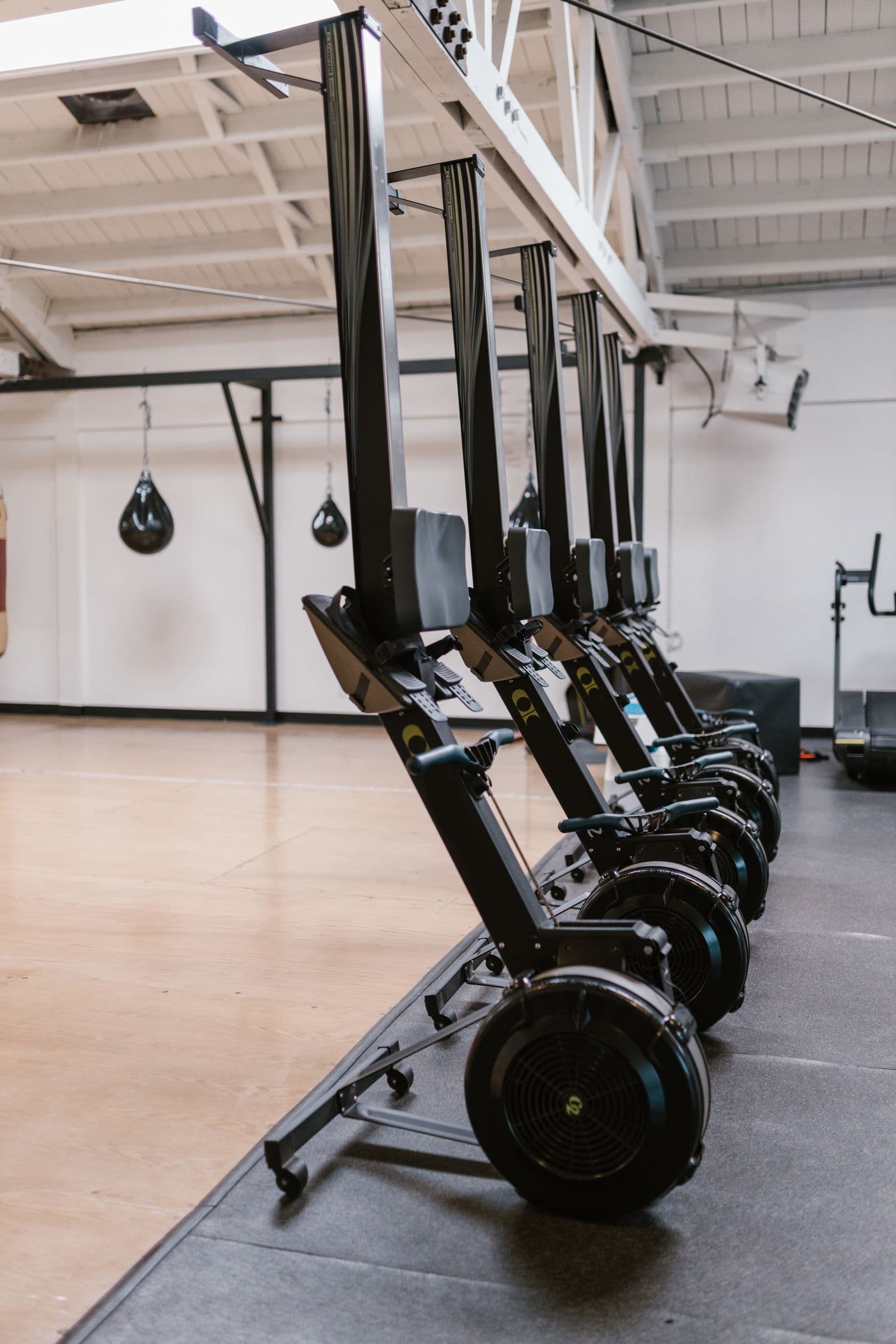
A sport that counts everything — except the cost
Rowing may be the most quantified endurance sport there is: meters logged, splits ranked, sessions programmed to the stroke. That makes its load management deceptively easy — and its injuries unusually predictable. Elite-team surveillance puts the low back and the chest wall (ribs) at the top of the injury table season after season, and both injuries cluster around the same calendar weeks in club after club.
Where the injuries cluster
- The winter erg block. The classic window. Water time drops, meters move indoors, and sessions get longer and more uniform. The back pain evidence is specific: ergometer volume — particularly long sessions — predicts rowing back pain. Rib stress injuries stack up in the same high-volume blocks.
- The 2k test. A maximal effort dropped into a full training week. The test isn't the problem; the untouched week around it is. Test weeks should be lighter weeks.
- Selection season. Seat racing adds maximal efforts, extra sessions, and sleep-eating stress — a stacked spike with a roster deadline attached.
- The camp or training trip. Double sessions on unfamiliar water — plan it like a competition block: taper in, start below normal, expect the fatigue to accumulate.
- The sweep-to-scull switch (or back). Same meters, different spinal loading — a variable change that counts as a spike.
- The masters comeback. Technique returns in weeks; tissue tolerance returns in months. The erg score remembers faster than the ribs do.
The rules that do the protecting
This week versus your recent normal. Load science's most useful idea applies cleanly to a sport that logs meters: your tissues have a budget set by what you've consistently done lately. Weeks far above it are where the injuries live, whatever the season plan says.
Count erg meters at a premium. A thousand meters on the machine is not a thousand meters in the boat — no run, no set, no variation. When volume moves indoors, total meters should drop before they climb.
One variable at a time. Volume, intensity, modality (erg vs water), or rigging — change one per week. "New erg block, new PR attempt, and seat racing this month" is three spikes in one plan.
Protect the mornings. The morning back-and-rib report is the ledger speaking: lengthening stiffness, or a focal rib spot that greets the first deep breath, means the week needs editing — the traffic-light rules say how urgently.
Strength raises the budget. Structured strength and mobility work roughly halves overuse-injury risk across sports — it's how the ceiling itself gets higher, not just how you stay under it.
When pain shows up mid-block
Don't negotiate with it mid-season — triage it. General stiffness that settles: modify and watch. Pain changing your catch or your breathing: cut erg volume and book an assessment (direct access means today, no referral; $125–$250 cash-pay, what PT costs). Focal rib pain: stop loaded rowing now — the rib guide explains why rowers don't push through that one. Bay Area rowers can find a rowing-literate clinician through the local rowing PT directory.
Frequently asked questions
Sources (6)
- Wilson F, et al. Ergometer training volume and previous injury predict back pain in rowing; strategies for injury prevention and rehabilitation. Br J Sports Med. 2014. — BJSM
- Gabbett TJ. The training-injury prevention paradox: should athletes be training smarter and harder? Br J Sports Med. 2016. — BJSM
- Soligard T, et al. How much is too much? (Part 1) IOC consensus statement on load in sport and risk of injury. Br J Sports Med. 2016. — BJSM
- Trease L, et al. Epidemiology of injury and illness in 153 Australian international-level rowers over eight international seasons. Br J Sports Med. 2020. — BJSM
- Harris R, et al. Rib stress injuries in the 2012-2016 (Rio) Olympiad: a cohort study of 151 Australian Rowing Team athletes. Br J Sports Med. 2020. — BJSM
- Griffin A, et al. The Association Between the Acute:Chronic Workload Ratio and Injury and its Application in Team Sports: A Systematic Review. Sports Med. 2020. — Sports Med
This article is for education only and isn't medical advice. Always talk to a licensed clinician about your specific situation.