
Knee & Hip Pain in Rowing: The Compression Problem
Patellofemoral load at the catch, deep-hip pinching, and the setup and strength fixes that help
Updated October 20262 minute read
Rowing loads the knee through deep flexion and the hip through deep compression on every single stroke — so kneecap pain (patellofemoral pain) and pinch-type hip pain at the catch are the sport's classic lower-body complaints. Most respond to strength work, stroke and equipment setup changes (foot-stretcher position, compression depth), and volume management. A hip that pinches sharply in deep compression and won't settle deserves an assessment rather than months of shortened slides.
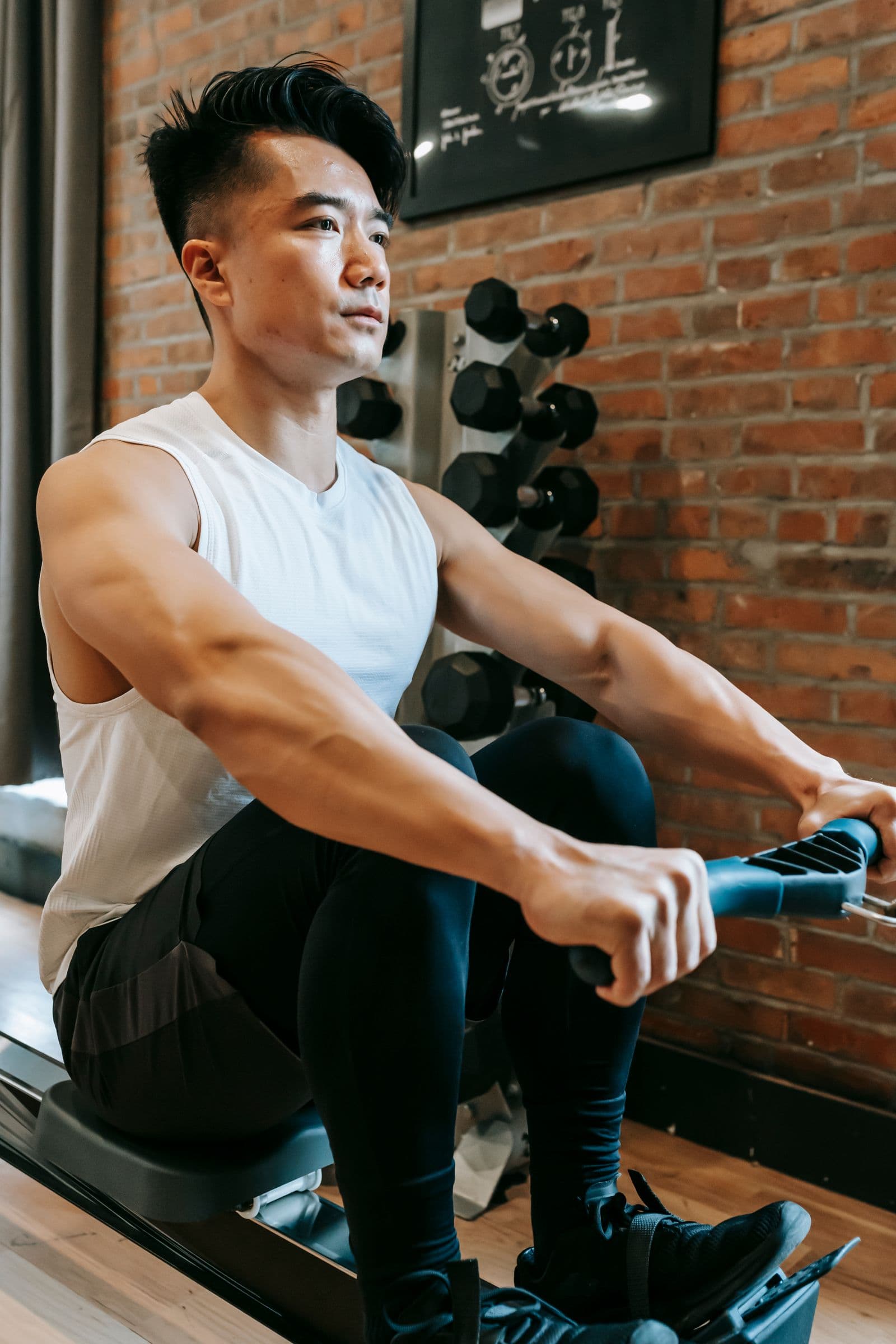
The stroke is a thousand deep squats
Rowing's lower-body signature is compression: knees driven into deep flexion and hips folded tight at every catch, then loaded hard through the drive. The sport's injury reviews consistently list the knee among rowing's most commonly affected regions — and unlike the collision sports, almost all of it is load-and-capacity trouble, the fixable kind.
The knee: kneecap pain, mostly
The classic is patellofemoral pain — an ache behind or around the kneecap that builds with erg mileage, long pieces, stairs, and sitting with bent knees. The international consensus on this condition is clear about what works: graded strengthening of the quads and hips plus load management, not rest alone, not scans by default, and not waiting for it to vanish on its own.
Rowing adds its own levers: compression depth, foot-stretcher height and angle, and drive timing all change how hard the catch presses the kneecap into its groove. Pair the strength program in rowing strength and mobility with a volume reset per load management, and most kneecap pain recedes over weeks.
Different knee stories get different handling: swelling, locking, or giving way — physician and possibly imaging; pain after an actual twist or crash — same.
The hip: the pinch at the catch
Folding the hip to its end range a thousand times a session makes rowing a natural home for pinch-type pain in deep flexion — felt in the groin or the front of the hip right at the catch. The differential runs from hip-flexor and adductor overload (common, rehabs well) to joint-related, impingement-type pain that shows up specifically in deep compression.
The honest guidance: short-term, it's reasonable to modify — a slightly shorter slide, adjusted foot-stretcher, reduced volume. But a sharp, repeatable deep-flexion pinch that persists deserves an assessment, because the plan differs by source and because quietly rowing shorter forever is a bad trade. Hamstring and glute overload round out the picture — big engines doing big mileage — and respond to the same combination of graded strength and volume sense.
Getting the right help
A rowing-literate PT watches you on the erg, asks about rigging and setup, and treats the stroke as part of the exam. Here's how to find one, and Bay Area rowers can browse rowing-friendly PTs by region. Evaluations run $125–$250 cash-pay ($175–$275 in the Bay Area), most episodes resolve in 6–12 visits, and a superbill often recovers part of the cost (what PT costs). Coming back from a longer layoff? The return-to-rowing guide covers the staged build.
Frequently asked questions
Sources (6)
- Crossley KM, et al. 2016 Patellofemoral pain consensus statement from the 4th International Patellofemoral Pain Research Retreat. Br J Sports Med. 2016. — BJSM
- Thornton JS, et al. Rowing Injuries: An Updated Review. Sports Med. 2017. — Sports Med
- Hosea TM, Hannafin JA. Rowing injuries. Sports Health. 2012. — Sports Health
- Bohacek I, et al. Injuries in adult amateur and/or masters rowers. Phys Ther Sport. 2020. — Phys Ther Sport
- OrthoInfo (AAOS). Patellofemoral pain syndrome. — OrthoInfo
- van der Heijden RA, et al. Exercise for treating patellofemoral pain syndrome. Cochrane Database Syst Rev. 2015. — Cochrane Database Syst Rev
This article is for education only and isn't medical advice. Always talk to a licensed clinician about your specific situation.