
Strength Training for Tennis Players: What Actually Prevents Injury
Cuff and scapula for the serve, forearm eccentrics for the elbow, hips for everything — in two short sessions a week
Updated October 20262 minute read
Strength training is the best-supported injury-prevention tool in sport — meta-analysis evidence shows structured strength work cuts overuse injury risk roughly in half. For tennis, the minimal effective dose is two 20–30 minute sessions a week built around rotator cuff and scapular work, forearm eccentrics and grip endurance, rotational hip-and-trunk power, and calf strength — loaded properly, not with pink dumbbells and high reps.
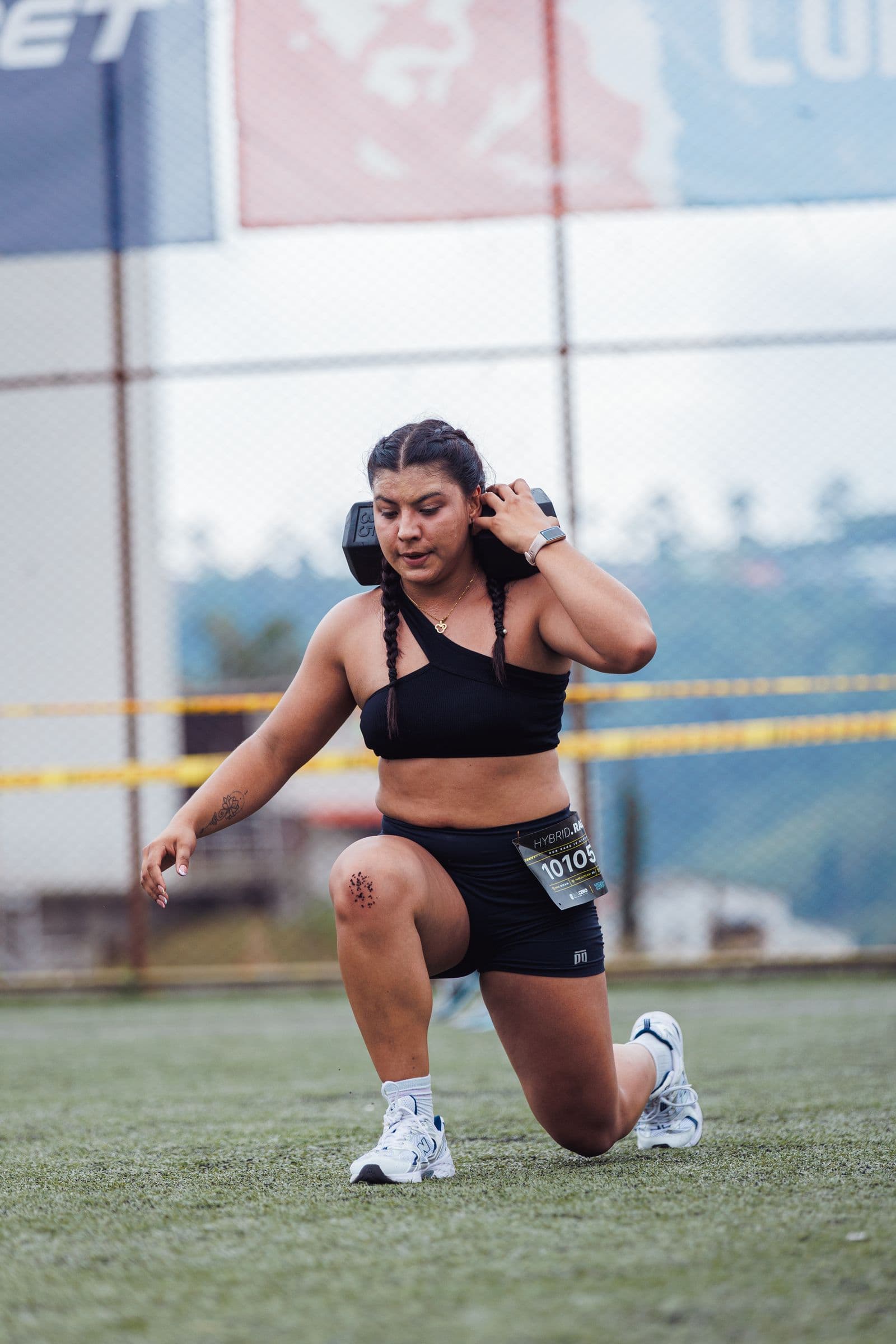
The strongest card in the injury-prevention deck
Most tennis injury advice is folklore — warm up more, stretch more, buy the right dampener. Strength training is the exception: a large meta-analysis of sports injury prevention trials found structured strength work cut overuse injuries by roughly half — a bigger effect than any stretching, bracing, or equipment intervention has ever shown. For a sport whose signature injuries — tennis elbow, serving shoulders, calf strains — are all capacity problems, that's the whole argument.
The tennis essentials
Two sessions a week, 20–30 minutes each. Consistency across months beats any single heroic workout.
- Rotator cuff + scapular work — serve insurance. External rotations with a band or light dumbbell, and rows / Y-T-W raises for the shoulder blade. The serve is tennis's hardest repeated act; the cuff and scapula are what keep it from becoming shoulder pain.
- Forearm eccentrics + grip endurance — elbow insurance. Slow, heavy wrist-extension lowering (the Tyler-twist style loading works too), plus farmer's carries for grip endurance. This is the same loading that treats tennis elbow — doing it before the elbow complains is the entire trick.
- Hip and trunk rotation power — the kinetic chain. Medicine-ball rotational throws and cable/band chops. Groundstroke and serve power starts in the hips; when they're weak, the shoulder and elbow do work they weren't built for. This is as much arm protection as anything you do with a dumbbell.
- Calf raises + lateral hip strength — the legs' insurance. Straight and bent-knee calf raises guard against tennis leg and feed every first step; side planks and banded lateral work steady the hips that tennis's endless direction changes depend on.
Experienced players can add low-dose jumps and bounds for tendon spring — dessert, not the meal.
Heavy and slow beats light and bouncy
The common mistake is treating strength day like cardio with weights: high reps, light load, no rest. Tendons — the tissues tennis injures most — adapt to heavy, slow loading: a weight you can move 6–10 times, lowered with control. If your session doesn't require rest between sets, it's a second hitting practice in disguise. (Runners and swimmers get the same sermon — their versions and the swimmer's dryland guide rhyme with this one for a reason.)
In-season vs. off-season
- Off-season: build. Progress load week over week; three sessions if you enjoy it.
- In-season: maintain. Two short sessions, weights held steady, nothing new — strength is slow to gain and slow to lose, and holding on is cheap. Pair the schedule with sane load management and the league season stops being an injury lottery.
- Never introduce a new heavy exercise the week of a tournament. Novel soreness and three matches in two days are a bad pair.
If something already hurts
Strength work is also the treatment for most tennis overuse injuries — but dosing around an irritated tendon is where generic plans fail. If you're training on a problem, the tennis elbow rules cover what's safe to play through, and a cash-pay evaluation ($125–$250, $175–$275 in the Bay Area — what PT costs) typically ends with a loading program you run alongside your league schedule, not a stop order. Bay Area players can find a racquet-literate PT in the tennis PT directory.
Frequently asked questions
Sources (5)
- Lauersen JB, et al. The effectiveness of exercise interventions to prevent sports injuries: systematic review and meta-analysis. Br J Sports Med. 2014. — BJSM
- Soligard T, et al. How much is too much? (Part 1) International Olympic Committee consensus statement on load in sport and risk of injury. Br J Sports Med. 2016. — BJSM
- Gabbett TJ. The training-injury prevention paradox: should athletes be training smarter and harder? Br J Sports Med. 2016. — BJSM
- Pluim BM, et al. Tennis injuries: occurrence, aetiology, and prevention. Br J Sports Med. 2006. — BJSM
- APTA ChoosePT. Physical Therapy Guide to Tennis Elbow (Lateral Epicondylitis). — ChoosePT
This article is for education only and isn't medical advice. Always talk to a licensed clinician about your specific situation.