
Returning to Swimming After an Injury: A Criteria-Based Plan
Milestones, not dates — from dryland to kick sets to full yardage without the relapse loop
Updated October 20262 minute read
A good return to the pool is gated by criteria, not the calendar: pain-free daily life, then pain-free dryland strengthening at meaningful load, then kick-only and short easy swims, then graded yardage with stroke restrictions — freestyle and backstroke before butterfly, paddles absolutely last. Judge every step by the 24-hour rule, and when it flares, drop back two steps rather than to zero.
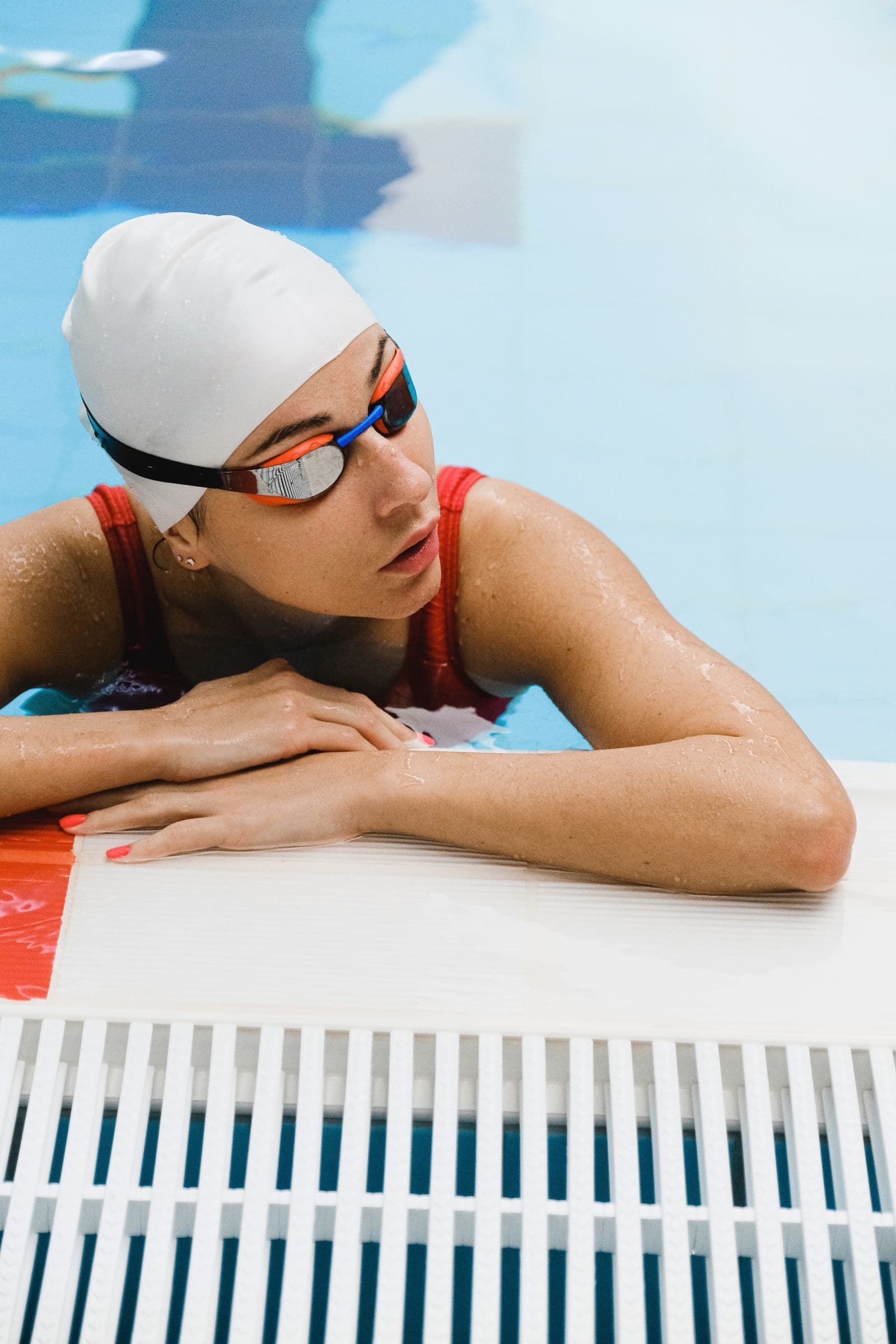
Criteria, not calendars
"Six weeks out of the water, then see how it feels" is how swimming re-injuries are manufactured. Time heals tissue only if load returns in order — and in a sport where the injured joint powers every stroke, the order is everything. Each stage below unlocks the next; the date takes care of itself.
(Coming back from years away rather than an injury? That's a deconditioning problem, not a healing one — the masters comeback plan handles it.)
The milestones, in order
- Pain-free daily life. Reaching overhead, carrying bags, sleeping on that side. Until ordinary life is quiet, the pool isn't a conversation.
- Pain-free dryland at meaningful load. Rows, external rotation work, and presses from the dryland program at real resistance — not just the yellow band. Strength that can't handle a dumbbell won't handle a catch.
- Kick-only practices and short easy swims. Kick sets keep you fit with the arms on light duty; then 10–20 minutes of easy freestyle on generous rest, every other day.
- Graded yardage with stroke restrictions. Build volume at easy intensity — freestyle and backstroke first, breaststroke as tolerated, butterfly last. Grow one of the load variables at a time.
- Intensity, then equipment. Pace work returns before paddles — paddles are the final exam, not a rehab tool. A buoy counts as arm loading, not rest.
The 24-hour rule
Every step gets the same referee: how is it the next morning? Mild effort soreness gone by morning — the step stands. Symptoms equal or worse a day later — the step was too big; repeat the previous level. Tissue announces overload on a delay, which is why judging a practice by how it felt mid-set keeps lying to you.
Per-injury wrinkles
- Shoulder (swimmer's shoulder and friends): the template above as written. Watch hand entry as fatigue arrives — form decay is the relapse mechanism, and a technique check during the return pays off.
- Breaststroke knee: everything comes back on schedule except the whip kick, which is the last unlock — freestyle-legs breaststroke drills first, narrow easy kick next, full kick at intensity last.
- Low back: flutter kick and freestyle early, undulation and butterfly last; the extension-heavy strokes are the back's butterfly.
- Post-surgical shoulders run on the surgeon's and PT's shared timeline — the phases are the same shape, with longer gates and supervised milestones throughout.
The same philosophy runs the land version — return to running after injury — if you're a triathlete staging two comebacks at once.
When it flares
It probably will once — that's finding the ceiling, not a catastrophe. The protocol: drop back two steps, not to zero. Hold until the 24-hour rule passes twice, then climb again. A flare every single week is different — that pattern means the plan or the diagnosis needs professional eyes.
Getting help
One or two visits with a PT who treats swimmers turns this template into your plan: which milestone you're actually at, the strengthening that fixes the underlying cause, and — if there's a meet or an open-water date on the calendar — what's realistic. How to find one; evaluations run $125–$250 cash-pay (what PT costs, often partly reimbursable via superbill). Bay Area swimmers can go straight to the regional directory of swim-friendly PTs.
Frequently asked questions
Sources (5)
- Ardern CL, et al. 2016 Consensus statement on return to sport from the First World Congress in Sports Physical Therapy, Bern. Br J Sports Med. 2016. — BJSM
- Silbernagel KG, et al. Continued sports activity, using a pain-monitoring model, during rehabilitation in patients with Achilles tendinopathy. Am J Sports Med. 2007. — AJSM
- Wanivenhaus F, et al. Epidemiology of injuries and prevention strategies in competitive swimmers. Sports Health. 2012. — Sports Health
- Lauersen JB, et al. The effectiveness of exercise interventions to prevent sports injuries: systematic review and meta-analysis. Br J Sports Med. 2014. — BJSM
- American Physical Therapy Association. ChoosePT: Physical Therapy Guide to Shoulder Impingement Syndrome. — ChoosePT
This article is for education only and isn't medical advice. Always talk to a licensed clinician about your specific situation.