
ACL Injuries in Soccer: The Honest Guide to Risk, Prevention & Return
Soccer's most feared injury is also one of its most preventable — here's what the evidence actually says
Updated October 20262 minute read
Most soccer ACL tears happen without contact — a plant, a cut, an awkward landing — and adolescent and female players carry elevated risk. Two things are equally true: a suspected ACL injury needs a physician and imaging, not a wait-and-see plan; and trial-tested neuromuscular warm-up programs cut serious knee injuries substantially, making the ACL one of sports medicine's most preventable major injuries. Recovery after reconstruction runs 9–12 months, gated by milestones rather than the calendar.
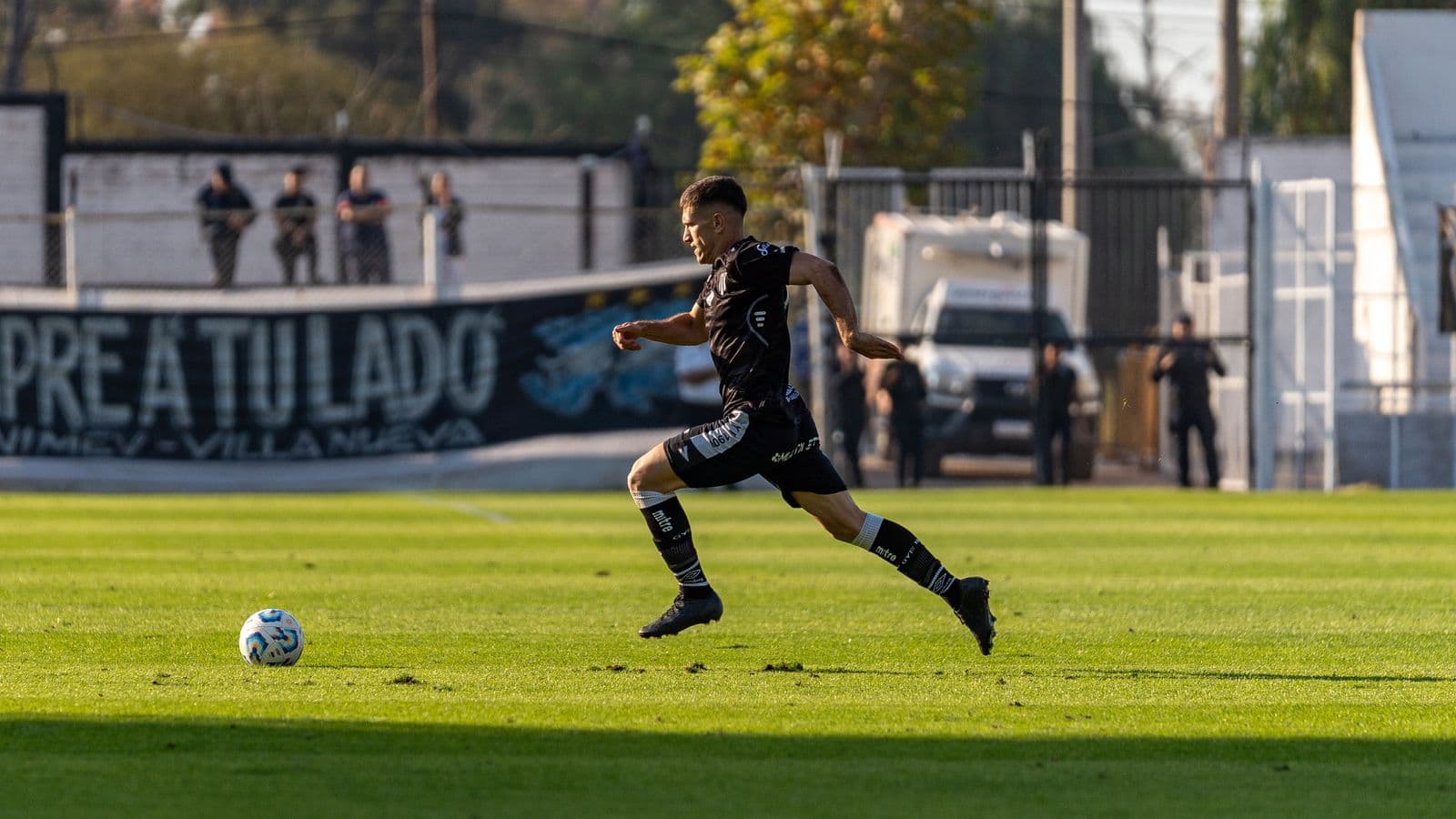
How soccer ACL tears actually happen
The scene is rarely a tackle. Most soccer ACL injuries are non-contact: a hard plant to change direction, a one-leg landing from a header, a sudden deceleration — the knee collapses inward, there's often a pop, and swelling arrives within hours. That mechanism matters for two reasons: it's why no one should feel they "did something wrong," and it's why training the body's landing and cutting mechanics can genuinely prevent a structural injury.
Adolescent players and female players carry elevated risk — which is exactly why the prevention story below matters most for youth and women's soccer (the parents' guide covers the family conversation).
If you think it just happened
A pop, fast swelling, or a knee that gives way under you is an urgent evaluation — a physician and usually an MRI, this week. Don't test it with another match; an unstable knee plus soccer is how a torn ACL collects a torn meniscus as a roommate. The full triage map, including the patterns that aren't ACL, is in knee pain in soccer and the ACL tear condition guide.
The prevention story — the part worth sharing
Soccer is the best-studied sport in injury prevention, and the headline is genuinely good: structured neuromuscular warm-ups — single-leg control, landing practice, hamstring strengthening, progressive sprints — reduced injuries by roughly a third in a large randomized trial of young female players, with serious knee injuries among the biggest beneficiaries across the research that followed. That's the FIFA 11+ program, it's free, and amateur and youth teams that actually run it twice a week get protection most clubs leave on the table.
The same ingredients live in soccer strength training — single-leg strength, landing control, hamstring work — for players whose teams won't adopt a program.
After a tear: what the road looks like
The decision phase. Surgeon, imaging, and an honest conversation about your goals. Reconstruction is the common choice for returning to cutting sports; structured rehab without surgery suits some athletes and some tears. Either way, prehab — calming the knee and rebuilding quad strength before surgery — measurably smooths the road after it.
The rehab year. Milestone-based, not calendar-based: quad strength benchmarks, single-leg control, hop testing, progressive running, then cutting, then sport. Most players return around 9–12 months; returning before the gates are passed is the classic re-tear setup, especially in teens. A PT runs this phase — it's the longest relationship in sports rehab, and choosing the right one matters more here than anywhere.
The money side. An ACL year is also a financial project: cash-pay PT runs $125–$250 per evaluation and $100–$200 per follow-up (what PT costs), visits stretch across many months, and out-of-network reimbursement plus superbills meaningfully change the math. Many players blend clinic visits with well-designed home phases to manage cost — a good PT will plan that with you openly.
The bottom line
Fear of the ACL shouldn't keep anyone off the pitch — the risk is real, the prevention is proven and free, and even the worst case has a well-mapped road back. Bay Area players can browse soccer-friendly PTs by region, and the local guide covers what rehab costs here.
Frequently asked questions
Sources (5)
- Soligard T, et al. Comprehensive warm-up programme to prevent injuries in young female footballers: cluster randomised controlled trial. BMJ. 2008. — BMJ
- Grindem H, et al. Simple decision rules can reduce reinjury risk by 84% after ACL reconstruction: the Delaware-Oslo ACL cohort study. Br J Sports Med. 2016. — BJSM
- Ardern CL, et al. Fifty-five per cent return to competitive sport following anterior cruciate ligament reconstruction surgery: an updated systematic review and meta-analysis. Br J Sports Med. 2014. — BJSM
- Agel J, et al. Anterior cruciate ligament injury in National Collegiate Athletic Association basketball and soccer: a 13-year review. Am J Sports Med. 2005. — AJSM
- American Academy of Orthopaedic Surgeons, OrthoInfo. Anterior Cruciate Ligament (ACL) Injuries. — AAOS OrthoInfo
This article is for education only and isn't medical advice. Always talk to a licensed clinician about your specific situation.