
Returning to Pickleball After an Injury: A Criteria-Based Plan
From dinking games to tournament doubles — milestones, not dates, and the sport's built-in rehab gift
Updated October 20263 minute read
Good returns to pickleball run on criteria, not calendars: pain-free daily life, then real strength work, then balance and hop tests, then the sport's built-in gift — dinking and skinny singles — before social doubles, competitive doubles, and finally singles and tournaments. Judge every step by the 24-hour rule, and when it flares, drop back two steps rather than to zero.
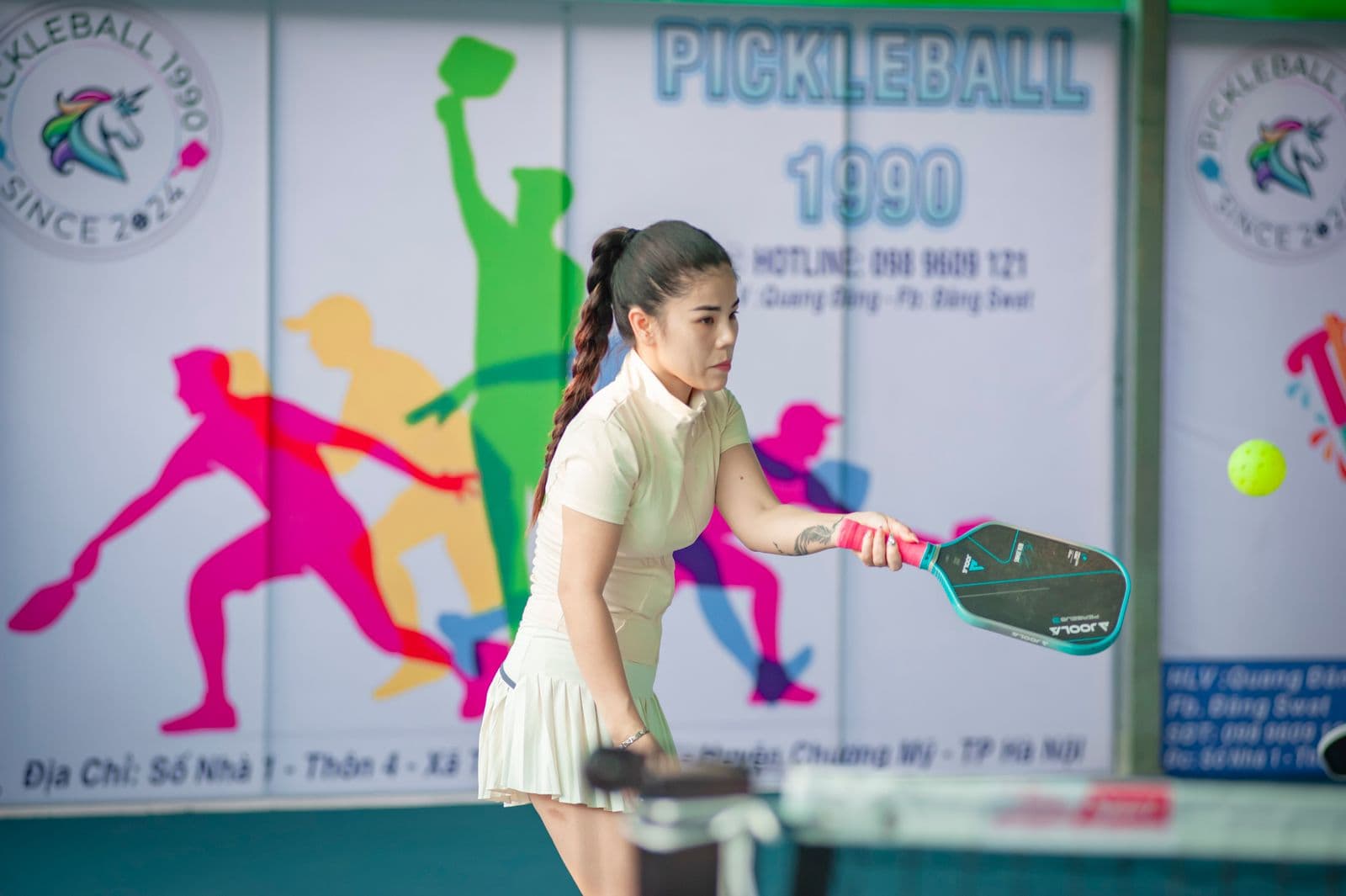
Criteria, not calendars
"Rest six weeks, then see how it feels Saturday" is how pickleball comebacks fail — usually at the first lob. Tissue heals on its own schedule, but readiness is built in order: strength, then balance, then controlled play, then chaos. Each stage below unlocks the next, and the date takes care of itself.
The milestones, in order
- Pain-free daily life. Stairs, walks, a full day on your feet — quiet. Until then, court time isn't a conversation.
- Loaded strength work. Not just pain-free motion — meaningful load. For calf and Achilles injuries that means calf raises building toward weighted single-leg sets; for others, the pickleball strength basics at real resistance.
- Balance and hop tests. Thirty seconds of steady single-leg balance, then hopping — ten on the spot, then side-to-side — without pain or that self-protective hesitation. Hopping loads the leg harder than dinking ever will, so passing buys honest confidence.
- Dinking games and skinny singles. Pickleball's built-in rehab gift: half-court games load footwork gently, keep rallies short, and are genuinely fun — rehab disguised as the sport itself. Every other day.
- Social doubles. Full court, friendly pace, with two house rules: no chasing lobs (turn-and-run or let it go — see fall prevention) and no diving saves. Still every other day.
- Competitive doubles, then singles and tournaments last. Singles doubles the court you cover; tournaments stack matches on one day. They're the biggest asks, so they come last — intensity is the final unlock, not the first celebration.
The 24-hour rule
Every step gets the same referee: how is it the next morning? Mild effort soreness that's gone by midday — the step stands. Symptoms equal or worse a day later — the step was too big; repeat the previous level. Tissues file their complaints on a delay, which is why mid-game optimism is a terrible judge.
When it flares
It probably will once — that's finding the ceiling, not a setback. The protocol: drop back two steps, not to zero, hold until the 24-hour rule passes twice, then climb again. A weekly flare-up cycle, though, means the plan or the diagnosis needs professional eyes.
Per-injury wrinkles
- Calf and Achilles (pickleball's signature): explosive first steps and lob chases are the last thing back — they're the very motion that caused it. The calf-raise ladder gates everything; be suspicious of feeling great at the dink stage and skipping ahead.
- Ankles: lateral movement is the gate — side-shuffles and direction changes must be boring before doubles (the ankle guide has the tests), and a brace for the first season back is reasonable insurance.
- Post-fall wrist or shoulder: medical clearance comes first (especially after any fracture), then grip-and-paddle progression — dinks before drives, drives before overheads — exactly as the tennis version sequences serves last.
Getting help with the plan
Most simple returns self-manage fine on this template. Book a PT evaluation if the injury was a fracture or Achilles problem, if this is a repeat of the same injury, if flare-ups keep resetting you — or if a fall shook your confidence enough that you're moving differently. Cash-pay evaluations run $125–$250 ($175–$275 in the Bay Area), one or two visits usually produces a tailored ladder, and superbills recover part of it — what PT costs has the numbers. Bay Area players can browse court-sport PTs by region.
Frequently asked questions
Sources (5)
- Silbernagel KG, et al. Continued sports activity, using a pain-monitoring model, during rehabilitation in patients with Achilles tendinopathy. Am J Sports Med. 2007. — AJSM
- Green B, et al. Return to play and recurrence after calf muscle strain injuries in elite Australian football players. Am J Sports Med. 2020. — AJSM
- Gribble PA, et al. Evidence review for the 2016 International Ankle Consortium consensus statement on the prevalence, impact and long-term consequences of lateral ankle sprains. Br J Sports Med. 2016. — BJSM
- Gabbett TJ. The training-injury prevention paradox: should athletes be training smarter and harder? Br J Sports Med. 2016. — BJSM
- Alfredson H, et al. Heavy-load eccentric calf muscle training for the treatment of chronic Achilles tendinosis. Am J Sports Med. 1998. — AJSM
This article is for education only and isn't medical advice. Always talk to a licensed clinician about your specific situation.