
Strength Training for Pickleball: What Actually Keeps You on the Court
Calves first, balance second — the land work that turns an injury-prone habit into a sustainable one
Updated October 20262 minute read
Strength training is the best-supported injury-prevention tool in sport — meta-analysis evidence shows it roughly halves overuse injury risk — and pickleball's injury list says exactly where to spend it: heavy calf raises against the sport's signature calf and Achilles problems, single-leg balance work against falls, lateral hip strength for ankles and knees, and grip endurance for paddle elbow. Two 20–30 minute sessions a week is the dose.
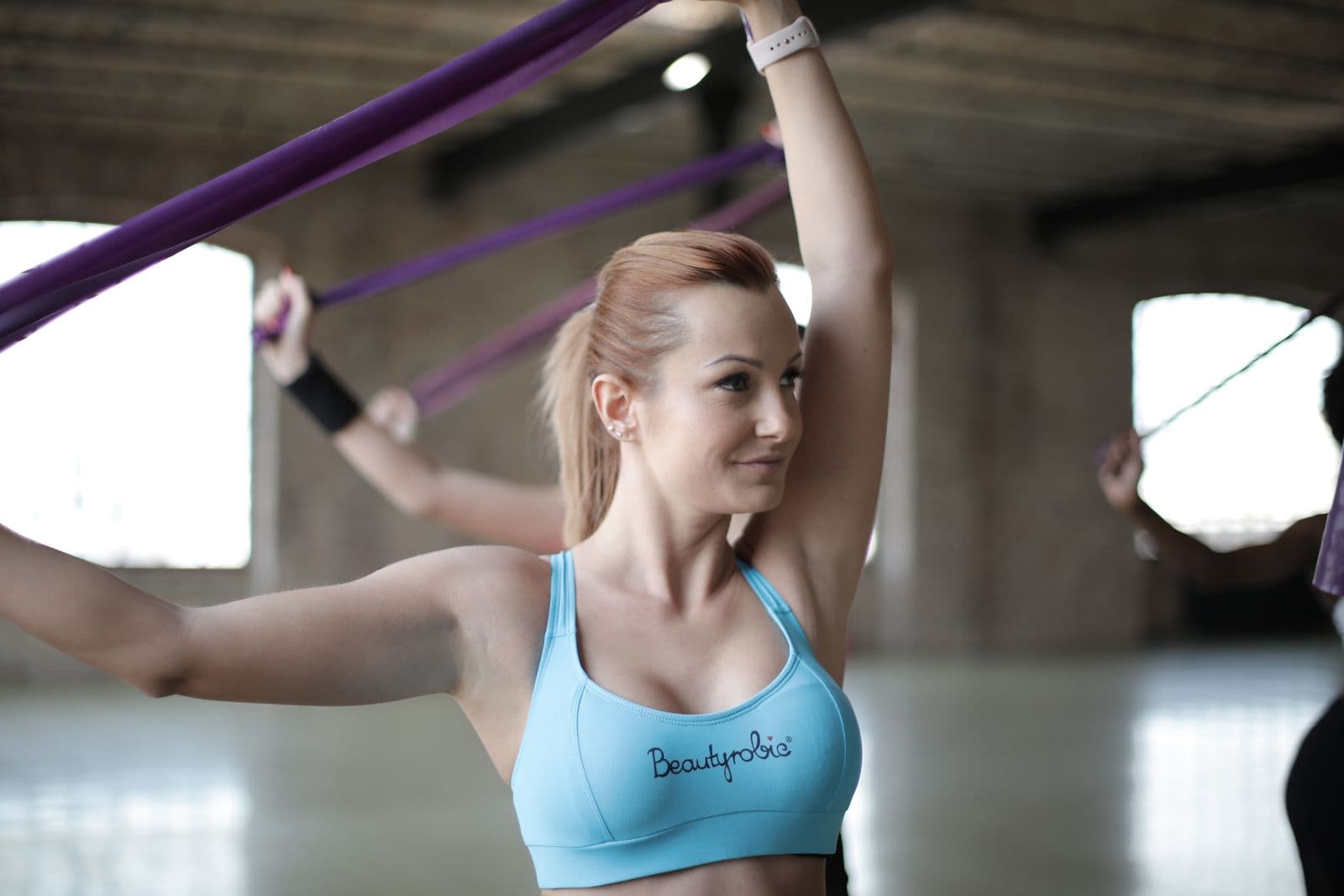
The strongest evidence in injury prevention
Most pickleball injury advice is folklore. Strength training is the exception: a large meta-analysis of sports injury prevention trials found structured strength work cut overuse injuries roughly in half — a bigger effect than stretching, braces, or any gadget has ever shown. And pickleball's injury list — calf strains and Achilles trouble, falls, ankle sprains, paddle elbow — reads like a targeting list for exactly four kinds of work.
The pickleball four, ranked by the injury data
1. Calf strength — the non-negotiable. The calf is pickleball's most-injured tissue, and most adult players bring decades of calf detraining to a sport built on explosive first steps. The work: heavy calf raises, straight knee and bent knee — 3 sets of 8–12, loaded (a backpack works at home), lowered slowly. This single exercise is the anti-calf-strain, anti-Achilles insurance policy, and it's also the core of rehab if you've already been hurt. If you do one thing from this page, do this.
2. Balance and single-leg control — the anti-fall work. Falls are pickleball's most serious injuries, and balance is trainable at every age. Progress simply: single-leg stands (eyes open, then eyes closed) → single-leg reaches in different directions → small single-leg hops as able. Two minutes per leg, most days. This is fall prevention that actually works, dressed as a warm-up drill.
3. Lateral hip strength — ankles and knees insurance. Side-steps and monster walks with a band, side planks, single-leg bridges. The lateral hips control every shuffle and direction change; when they fatigue, the knees collapse inward and the ankles take the rollovers.
4. Grip and forearm endurance — paddle elbow insurance. Lighter than a tennis racket, a paddle still asks the forearm to fire on every dink and drive. Farmer carries, wrist curls and extensions with light dumbbells, and slow eccentric lowering — the same loading that treats tennis elbow prevents its pickleball cousin.
The dose
Two sessions a week, 20–30 minutes each. That's the schedule behind the evidence, and it fits between playing days — in fact, it makes a perfect alternate-day companion to the load-management plan. Heavy-and-slow beats light-and-bouncy for tendons: a weight you can move 8–12 times with the last reps feeling honest, lowered over a slow count. If your strength day doesn't require any rest between sets, it's a second cardio day in disguise.
The honest framing
This is what lets you play as much as you want to. Every hour in the gym raises the budget that open play spends — the players who last years at five days a week almost all have some version of this work underneath. Start it before the injury, and it's twenty minutes twice a week; start it after, and it's the same exercises with a 6–12 week rehab timeline attached.
If something already hurts
Strength work is also the treatment for most pickleball injuries — but dosing around an irritated Achilles or a strained calf is exactly where generic programs fail. Check the traffic-light rules first, and if you're in yellow or red, get the plan tailored: a cash-pay evaluation runs $125–$250 (what PT costs) and typically ends with a loading program you can run alongside modified play. Bay Area players can start with the local pickleball PT directory.
Frequently asked questions
Sources (5)
- Lauersen JB, et al. The effectiveness of exercise interventions to prevent sports injuries: systematic review and meta-analysis. Br J Sports Med. 2014. — BJSM
- Sherrington C, et al. Exercise for preventing falls in older people living in the community. Cochrane Database Syst Rev. 2019. — Cochrane
- Fragala MS, et al. Resistance training for older adults: position statement from the National Strength and Conditioning Association. J Strength Cond Res. 2019. — JSCR
- Alfredson H, et al. Heavy-load eccentric calf muscle training for the treatment of chronic Achilles tendinosis. Am J Sports Med. 1998. — AJSM
- Gabbett TJ. The training-injury prevention paradox: should athletes be training smarter and harder? Br J Sports Med. 2016. — BJSM
This article is for education only and isn't medical advice. Always talk to a licensed clinician about your specific situation.