
Cycling Load Management: Why 'Low-Impact' Doesn't Mean Low-Load
Five thousand pedal strokes an hour — the spikes that cause cycling pain and the ramp that prevents it
Updated October 20262 minute read
Cycling is gentle per stroke and enormous in repetition — several thousand pedal strokes an hour — so injuries follow the same rule as every endurance sport: spikes, not totals. The classic triggers are spring's first long ride, a century build that doubles the long ride, a new indoor racing habit, and a changed position. Manage this week against your recent normal, change one variable at a time, and treat saddle time as its own budget.
The deceptive math of a gentle sport
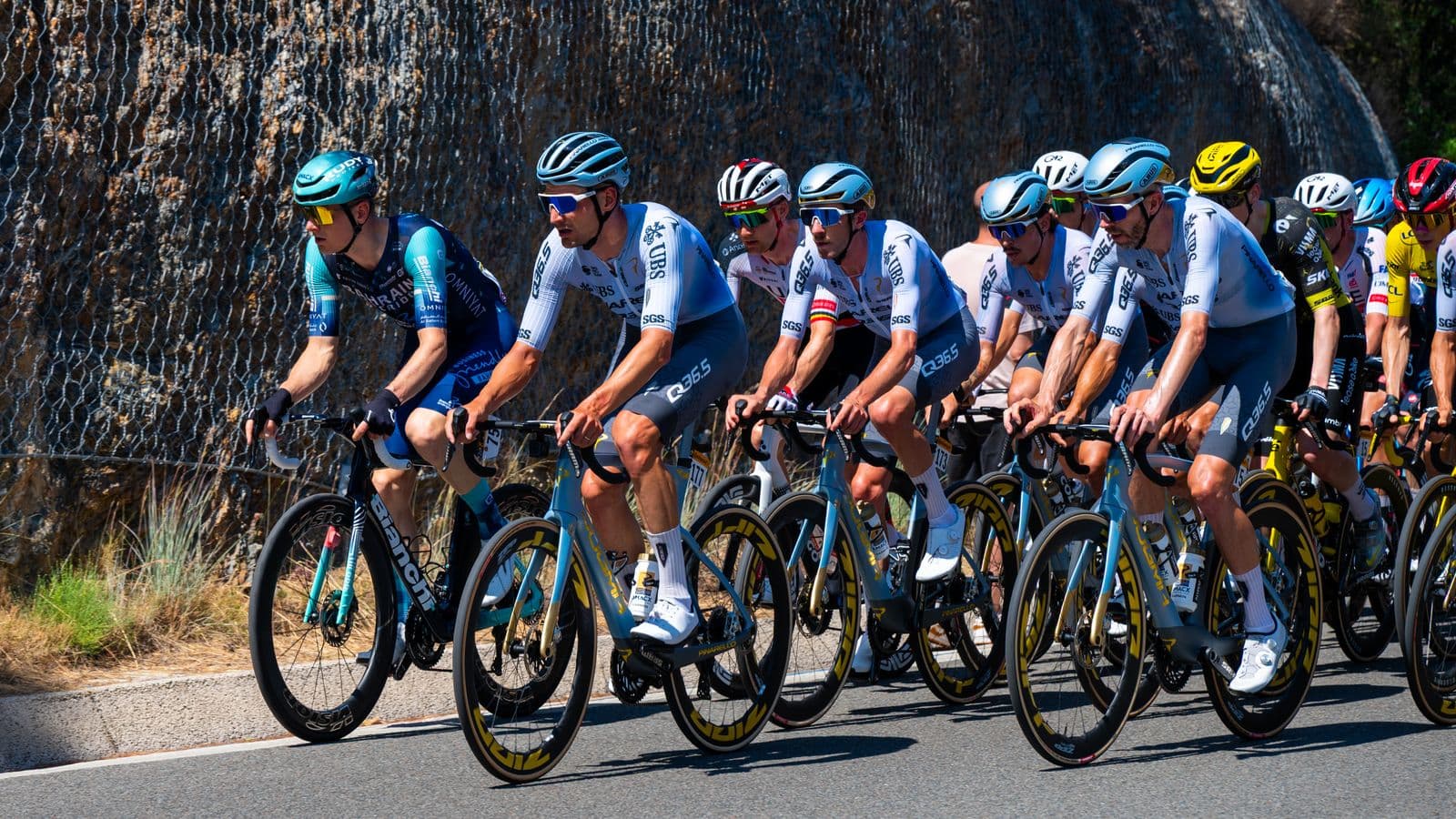
Nobody limps home from a bike ride the way they limp home from a long run, and that gentleness per stroke hides the arithmetic: a steady cadence turns out five-thousand-plus pedal strokes an hour, every one of them through an identical arc against resistance. Overuse studies of serious cyclists find exactly what that math predicts — knees, lower backs, and necks filing most of the complaints, without a single hard landing involved.
So cycling obeys the universal endurance rule: injuries follow spikes, not totals. The 200-mile-a-week rider holding steady is safer than the 60-mile rider who just tripled.
The classic cycling spikes
- The spring opener. All winter at an hour a time, then the first sunny Saturday delivers a four-hour ride. The knees take the news personally.
- The event build. A century on the calendar compresses ambition into weekends — the long ride doubling in a month is the signature error.
- The new indoor habit. Structured intervals and virtual racing make indoor hours denser than outdoor ones; adding them without subtracting elsewhere is a stealth spike — the indoor guide covers it.
- The new bike or new fit. Position change = different tissues working = a load change wearing a shopping bag. Re-adapt gradually.
- The climbing block. A Marin or Diablo phase swaps spinning for big-gear torque — more force per stroke is intensity, even at the same hours.
The rules that keep you rolling
This week vs. your recent normal. Your body's budget is set by the last month of consistent riding. Spend near it, adapt; spend far past it, and the bill usually arrives at the knee or the neck a week later.
One variable at a time. Volume OR intensity OR position OR terrain. The rider who buys a bike, gets a fit, joins a group ride, and enters a fondo in the same month has changed four.
Long-ride progression. Add 10–15% to the long ride at a time, keep it near a third of weekly volume, and let the event be the longest ride of the block — arriving fresh at 75% beats arriving broken at 100%. (Runners will recognize this math; it's the same law on wheels.)
Saddle time is its own budget. Contact-point tolerance — hands, sit bones, neck — adapts on its own clock, separate from your legs. Long-ride jumps outrun it first; the saddle guide covers the details.
Down weeks on purpose. Every third or fourth week, 20–30% less. Strength work holds tissue capacity up while volume climbs — the cyclist's gaps explains why this matters more for riders than almost anyone.
When pain shows up mid-build
Use the pain-monitoring logic that governs every sport we cover: mild and settling within a day — ride on with modifications; building across rides or changing your pedaling — trim and start a two-week clock; sharp, swollen, or constant — assessment now. The bike-specific version lives in can I ride through knee pain?, and a cycling-literate PT ($125–$250 cash-pay, $175–$275 in the Bay Area — what PT costs) can usually keep you riding while the problem gets fixed. Bay Area riders: browse cycling-friendly PTs by region.
Frequently asked questions
Sources (5)
- Gabbett TJ. The training-injury prevention paradox: should athletes be training smarter and harder? Br J Sports Med. 2016. — BJSM
- Clarsen B, et al. Overuse injuries in professional road cyclists. Am J Sports Med. 2010. — AJSM
- Dettori NJ, Norvell DC. Non-traumatic bicycle injuries: a review of the literature. Sports Med. 2006. — Sports Med
- Lauersen JB, et al. The effectiveness of exercise interventions to prevent sports injuries: systematic review and meta-analysis. Br J Sports Med. 2014. — BJSM
- Silbernagel KG, et al. Continued sports activity, using a pain-monitoring model, during rehabilitation in patients with Achilles tendinopathy. Am J Sports Med. 2007. — AJSM
This article is for education only and isn't medical advice. Always talk to a licensed clinician about your specific situation.