
Can I Ride Through Knee Pain? The Cyclist's Traffic-Light Rules
What's safe to spin through, what needs a fit check, and the knee that comes off the bike today
Updated October 20262 minute read
Mild knee pain (0–3 out of 10) that doesn't build through the ride and settles within 24 hours is generally rideable with modifications — higher cadence, easier gears, shorter flat rides, and a saddle check. Pain that climbs across rides, flares the next morning, or changes your pedaling means trim the volume and start a two-week clock. Swelling, catching, pain with every stroke, or any post-crash knee means off the bike and assessed now. Cycling's gift: load is more tunable than in any other sport — use the gears.
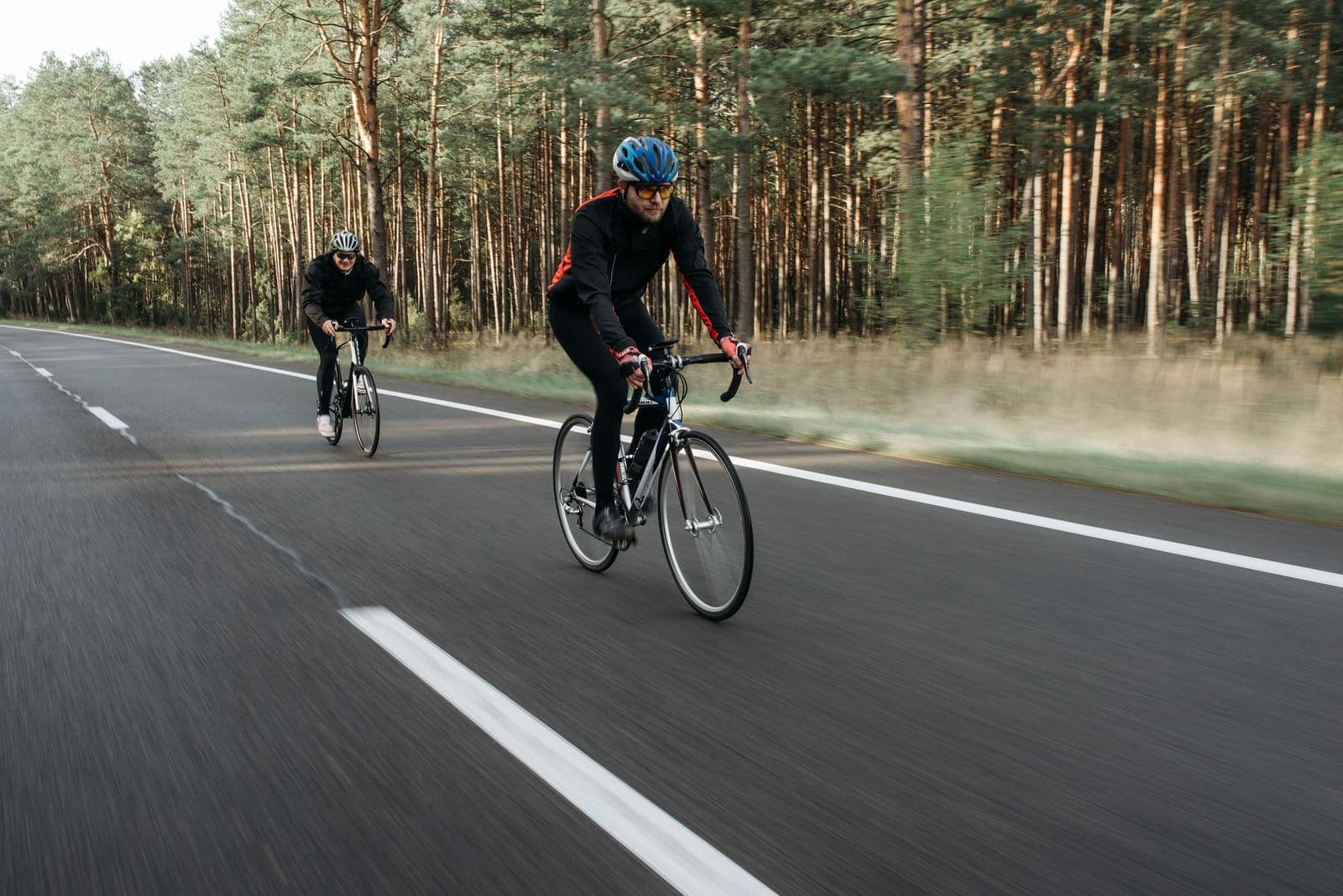
The traffic-light rules, tuned for the bike
Cyclists get the same pain-monitoring framework PTs use across sports, with one upgrade: no other athlete can tune load mid-activity the way a rider can. Gears, cadence, duration, terrain — four dials, all available at every moment. Here's the system on a 0–10 scale:
Green — ride, with modifications. Pain sits at 0–3, doesn't climb as the ride goes on, doesn't change your pedaling, and is back to baseline within 24 hours. Pain-monitoring research across tendon and joint rehab supports training in this zone. Modifications anyway: spin an easier gear at higher cadence, keep rides shorter and flatter, and do the free check — has the fit changed recently?
Yellow — modify now, clock running. Any of: pain above 3, pain that builds through rides or arrives earlier each time, a knee that's worse the next morning, or pedaling that's gone asymmetric (one leg doing the work, hips rocking). Cut volume by a third to half, flatten everything, spin everything, and book a fit check if anything about the position is new. Two weeks without progress ends the experiment — get evaluated.
Red — off the bike, assessed now. Swelling, mechanical catching or locking, pain with every stroke at any gear, giving-way, or knee pain after a crash. These aren't load-management conversations — the knee guide maps what each pattern means, and post-crash knees have their own rules.
The universal modifier: spin, don't grind
Force per stroke is the knee's currency. The same 200 watts delivered at 95 rpm in an easy gear loads each stroke far less than at 65 rpm mashing — which is why "shift down two, spin up ten" is the first prescription for nearly every cycling knee. Grinding big gears up Bay Area walls while the knee is grumpy is the opposite prescription.
The trend tells the story
One cranky ride is information; three rides where pain arrived earlier each time is a trajectory. Track where in the ride the knee speaks up. Later each ride usually means calming; earlier means winding up — and winding-up knees go see someone before the event build makes the decision for you.
When to bring in a PT
Two weeks of yellow without progress, any red flag, or a knee that complains every time volume climbs. Front-of-knee pain — cycling's most common — has an excellent playbook (the same patellofemoral evidence base that serves runners' knees, plus the fit dials runners don't have), and most cases resolve with cadence, position, and the strength work the bike never built. A cycling-literate PT runs $125–$250 cash-pay ($175–$275 in the Bay Area — what PT costs, with superbill reimbursement often available), and here's how to find one who speaks bike. Bay Area riders can browse cycling-friendly PTs by region.
Frequently asked questions
Sources (5)
- Silbernagel KG, et al. Continued sports activity, using a pain-monitoring model, during rehabilitation in patients with Achilles tendinopathy. Am J Sports Med. 2007. — AJSM
- Asplund C, et al. Knee pain and bicycling: fitting concepts for clinicians. Phys Sportsmed. 2010. — Phys Sportsmed
- Bini R, et al. Methods to determine saddle height in cycling and implications of changes in saddle height. J Sports Sci. 2021. — J Sports Sci
- Willy RW, et al. Patellofemoral Pain: Clinical Practice Guidelines. J Orthop Sports Phys Ther. 2019. — JOSPT
- AAOS OrthoInfo. Patellofemoral Pain Syndrome. — AAOS OrthoInfo
This article is for education only and isn't medical advice. Always talk to a licensed clinician about your specific situation.