
Saddle Pain and Numbness: The Honest Clinical Guide
Pressure, numbness, and skin trouble are equipment-and-fit problems with real fixes — not initiation rites
Updated October 20263 minute read
Saddle discomfort is nearly universal among new riders and nearly optional among experienced ones: the fixes are a saddle matched to your sit-bone width, a level setup, a quality chamois, regular standing, and time to adapt. Perineal or genital numbness is different — it means pressure on nerves and vessels that shouldn't carry it, and it warrants a same-week fit change. Numbness that persists off the bike, or any urinary or erectile symptoms, is a clinician conversation, not a toughness test.
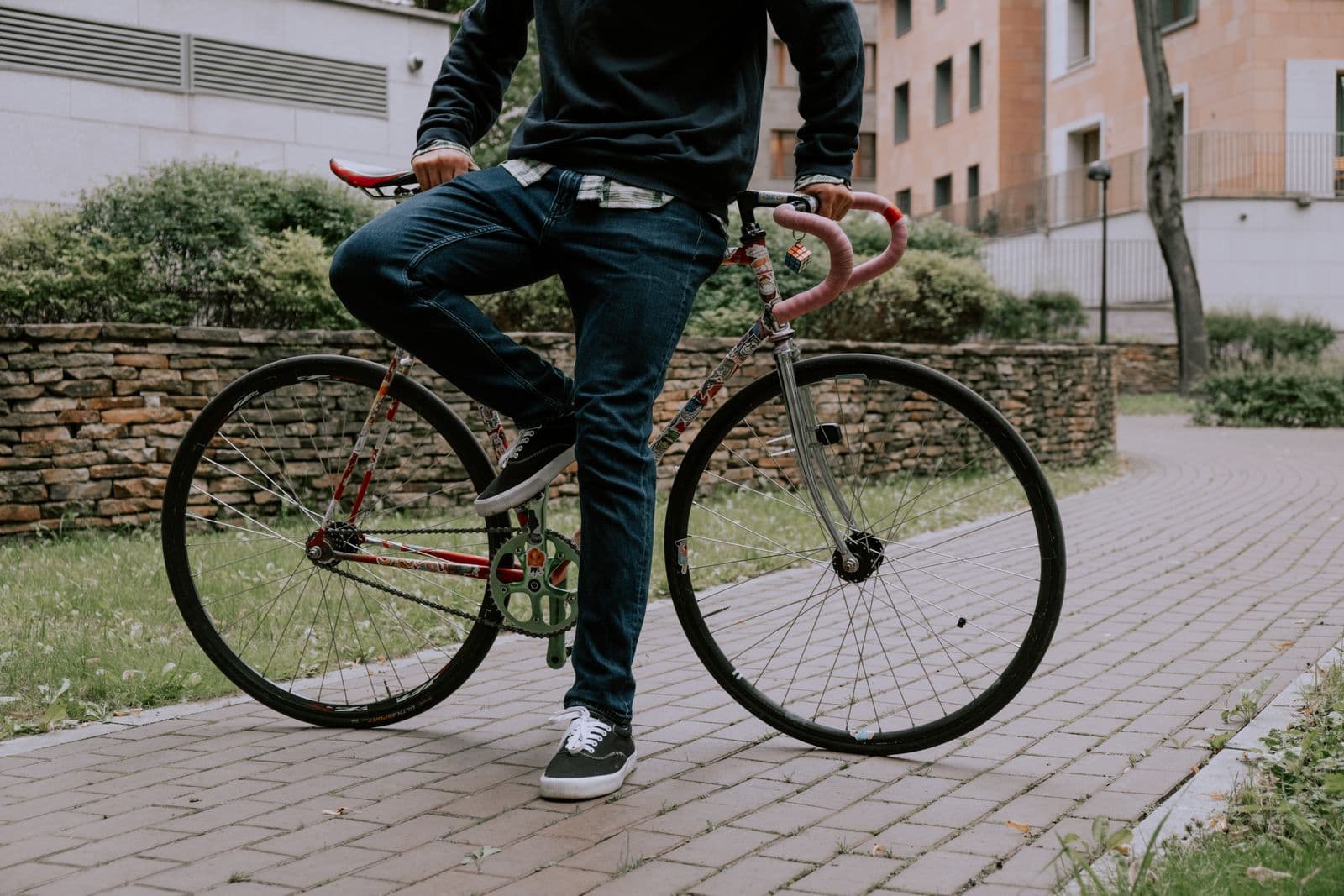
Let's treat this like the clinical topic it is
Saddle discomfort drives more people off bikes than any knee ever has, and it gets discussed less than any of them. So, plainly: the perineum — the soft tissue between the sit bones — carries nerves and blood vessels that were never meant to bear body weight. A good setup puts your weight on the ischial tuberosities (sit bones), which are built for exactly this. Most saddle problems are simply weight landing in the wrong place, and the urology literature on cyclists says the same thing twice: the symptoms are real, and setup changes fix most of them.
The setup that protects you
- Width first. Your saddle must be wide enough that your sit bones land on its wings. Sit-bone width varies person to person and doesn't follow body size; bike shops measure it in two minutes. This single variable beats every other purchase.
- Level it. Nose-down slides you forward onto soft tissue (and dumps weight into your hands); nose-up presses directly where it shouldn't. Start dead level; adjust by single degrees.
- Cutouts and short noses reduce measured perineal pressure for many riders — worth testing, not worth assuming.
- Check the whole fit. A too-high saddle rocks the pelvis side to side across the nose; excessive drop rotates the pelvis forward onto soft tissue. Pelvic-pressure research in female cyclists ties lower handlebar positions to higher perineal loading — the saddle is part of a system (bike fit and injury).
- Stand regularly. Ten pedal strokes out of the saddle every 10–15 minutes restores blood flow. Make it automatic.
Skin: the unglamorous essentials
Chamois that fits, worn against skin; chamois cream before long rides; shorts off promptly afterward; two pairs in rotation. Saddle sores are friction-pressure-moisture injuries and respond to removing those three things. A sore that's hot, swollen, increasingly painful, or spreading is a possible infection — a clinician visit, not a toughness decision.
Numbness: the line that matters
Adapt-and-fix territory: pressure soreness in the first weeks of a riding habit (sit-bone tissue genuinely adapts), mild numbness that resolves the moment you stand and doesn't recur off the bike. Fix the setup and it fades.
Act-now territory: genital numbness on every ride, numbness that persists after riding, saddle-region pain that's sharp or one-sided, or any erectile or urinary change. The first stop is a same-week saddle and fit change; symptoms that persist after real setup changes deserve a clinician — urologist or pelvic health PT depending on the picture. None of this is a test of commitment to the sport; the pros whose overuse data fills the research literature fix their setups for a reason.
For riders whose symptoms overlap with pelvic-floor territory, a pelvic health PT is a genuinely useful specialist — the directory notes which Bay Area practices cover both sports and pelvic health, and how to find a cycling PT covers the vetting.
The spend-smart order
- Sit-bone measurement + matched saddle (test programs beat purchases)
- Level saddle, sane drop, fit check
- Quality chamois + cream + hygiene habits
- Standing habit + load sanity while tissue adapts
- Persistent symptoms → evaluation ($125–$250 cash-pay, $175–$275 Bay Area, what PT costs; superbills often recover part)
Comfort on a saddle isn't a gift some bodies get — it's a setup most bodies can reach.
Frequently asked questions
Sources (6)
- Leibovitch I, Mor Y. The vicious cycling: bicycling related urogenital disorders. Eur Urol. 2005. — Eur Urol
- Guess MK, et al. Women's bike seats: a pressing matter for competitive female cyclists. J Sex Med. 2011. — J Sex Med
- Partin SN, et al. The bar sinister: does handlebar level damage the pelvic floor in female cyclists? J Sex Med. 2012. — J Sex Med
- Dettori NJ, Norvell DC. Non-traumatic bicycle injuries: a review of the literature. Sports Med. 2006. — Sports Med
- Clarsen B, et al. Overuse injuries in professional road cyclists. Am J Sports Med. 2010. — AJSM
- Litwinowicz K, et al. Strategies for Reducing the Impact of Cycling on the Perineum in Healthy Males: Systematic Review and Meta-analysis. Sports Med. 2021. — Sports Med
This article is for education only and isn't medical advice. Always talk to a licensed clinician about your specific situation.