
Numb Hands While Cycling: Handlebar Palsy, Carpal Tunnel & the Fit Behind Both
Pinky-side or thumb-side tells you which nerve — and your bike fit explains why it's complaining
Updated October 20262 minute read
Tingling in the pinky and ring finger is cyclist's palsy — the ulnar nerve compressed at the heel of the palm against the bar. Numbness in the thumb, index, and middle fingers is the median nerve — the carpal tunnel pattern. Both usually mean too much body weight is running through your hands, which is a bike-fit problem first. Numbness that resolves between rides is common and correctable; numbness that persists, progresses, or comes with weakness needs an evaluation, not thicker gloves.
Two nerves, two maps
Your hand's feeling is split between two nerves, and the bar compresses them in different spots — so the map of your numbness names the culprit.
Pinky and ring finger tingling: the ulnar nerve. "Cyclist's palsy," the classic. The nerve runs through a shallow tunnel at the heel of your palm — exactly where your weight rests on the bar tops and hoods. In a prospective study of long-distance cyclists, ulnar symptoms affected a large share of riders over a multi-day event; it's the most common nerve complaint in the sport.
Thumb, index, and middle finger numbness: the median nerve. The carpal tunnel pattern — same nerve, same territory as carpal tunnel syndrome off the bike. Riding with wrists cocked back (extended) on the hoods or drops raises pressure in the tunnel.
Both at once usually means one thing: too much of you is resting on your hands.
Why it's a fit problem first
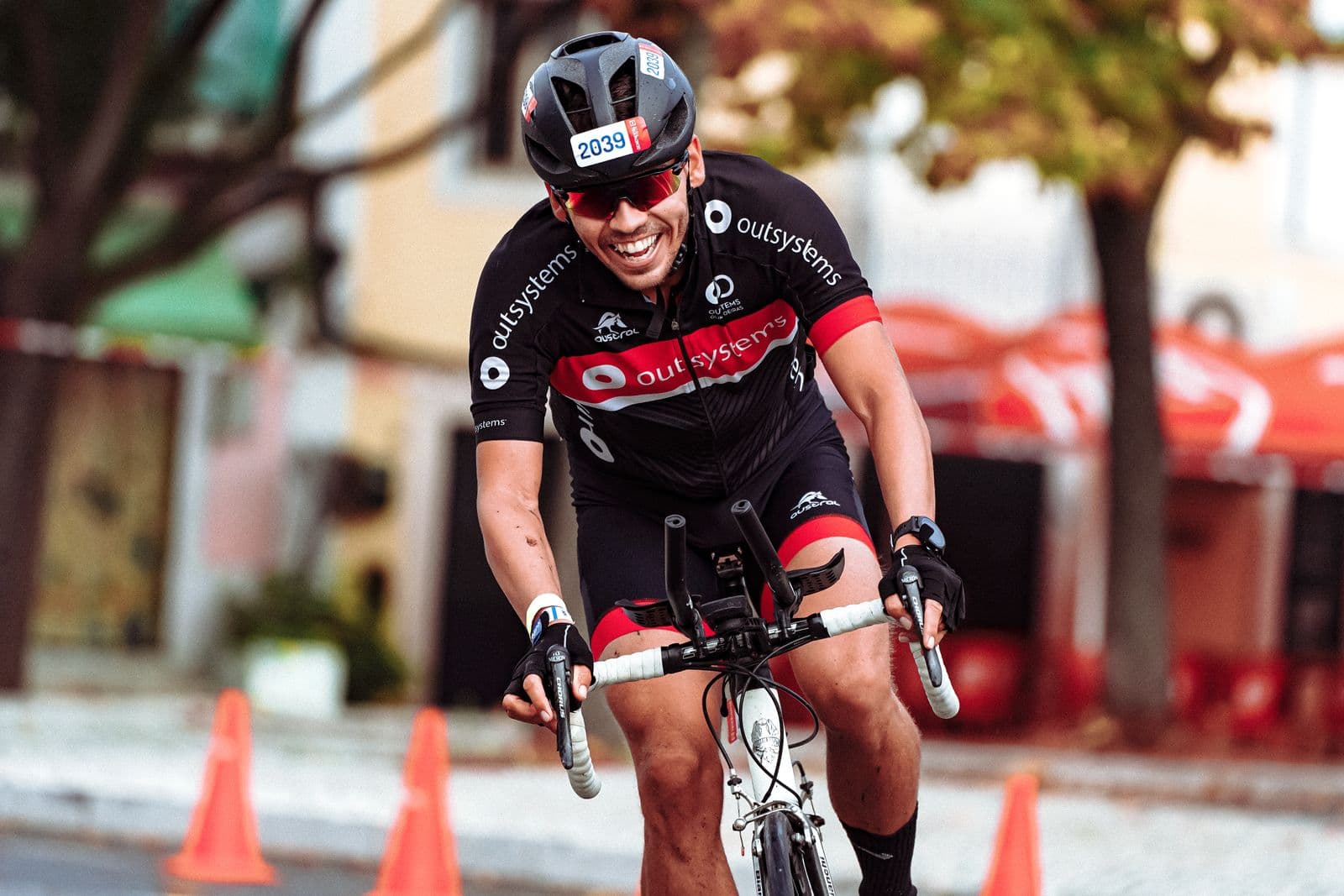
Hands go numb when they become load-bearing structures, and they become load-bearing when the fit puts them there: a saddle tilted nose-down (sliding you forward constantly), too much drop to the bars, reach too long, or a saddle too high rocking weight forward. The fix order:
- Level the saddle — the single most common culprit.
- Reduce drop or reach a touch so the torso carries itself (bike fit and injury explains the trade-offs).
- Vary hand position by habit — tops, hoods, drops every few minutes; nerves hate constancy more than pressure.
- Then padding — quality bar tape and padded gloves measurably change pressure over the ulnar tunnel; thicker isn't always better, placement matters.
- Keep wrists neutral — straight lines from forearm through knuckles, not cocked back.
A capacity note: a strong trunk is what actually holds your torso up on a bike. Riders who fatigue into their hands late in rides need the hinge and core work as much as the fit check.
Benign vs book-now
Usually benign: tingling late in long rides that fully resolves by the next morning, improves with the fit changes above, and brings no weakness. Correct the fit and monitor.
Book an evaluation: numbness persisting between rides or appearing earlier each ride, any weakness or clumsiness (gripping, dropping things), symptoms spreading beyond one nerve's map, or any of it after a crash (see after a cycling crash — a fall onto the hand changes the differential entirely). Progressive nerve compression responds far better treated early, and imaging studies of cyclists' wrists show measurable nerve changes from sustained compression.
The neck caveat: hand symptoms with neck pain, or that change when you move your head, may be referred from the cervical spine — a different exam and a different fix. A good evaluation screens both in one visit.
Getting help
A cash-pay evaluation runs $125–$250 ($175–$275 in the Bay Area), with no referral needed in most states. A cycling-literate PT will test both nerves, screen your neck, and talk about your cockpit in the same visit — what PT costs covers the money, and a superbill often recovers part of it. Bay Area riders can browse cycling-friendly PTs by region.
Frequently asked questions
Sources (6)
- Patterson JM, et al. Ulnar and median nerve palsy in long-distance cyclists: a prospective study. Am J Sports Med. 2003. — AJSM
- Dettori NJ, Norvell DC. Non-traumatic bicycle injuries: a review of the literature. Sports Med. 2006. — Sports Med
- Dąbrowska A, et al. Elastography of nerves in the wrists of cyclists. Pol J Radiol. 2024. — Pol J Radiol
- AAOS OrthoInfo. Carpal Tunnel Syndrome. — AAOS OrthoInfo
- MedlinePlus. Ulnar nerve dysfunction. — MedlinePlus
- Page MJ, et al. Splinting for carpal tunnel syndrome. Cochrane Database Syst Rev. 2012. — Cochrane
This article is for education only and isn't medical advice. Always talk to a licensed clinician about your specific situation.