
Wrist and Elbow Pain in Badminton: The Grip-and-Flick Tax
Lateral elbow, smash-snap wrists, the ulnar-side caution — and why a relaxed grip is the cheapest treatment in the sport
Updated October 20262 minute read
Badminton's power comes from a loose grip and a fast finger-and- forearm snap — so when the arm hurts, the grip is usually in the story. Death-gripping the racket feeds tennis-elbow-pattern pain on the outside of the elbow, smash and flick volume drives wrist tendinopathy, and ulnar-side wrist pain that clicks with rotation deserves an assessment rather than tape. Almost all of it responds to loading rehab plus technique and grip-size fixes — rest alone mostly postpones the question.
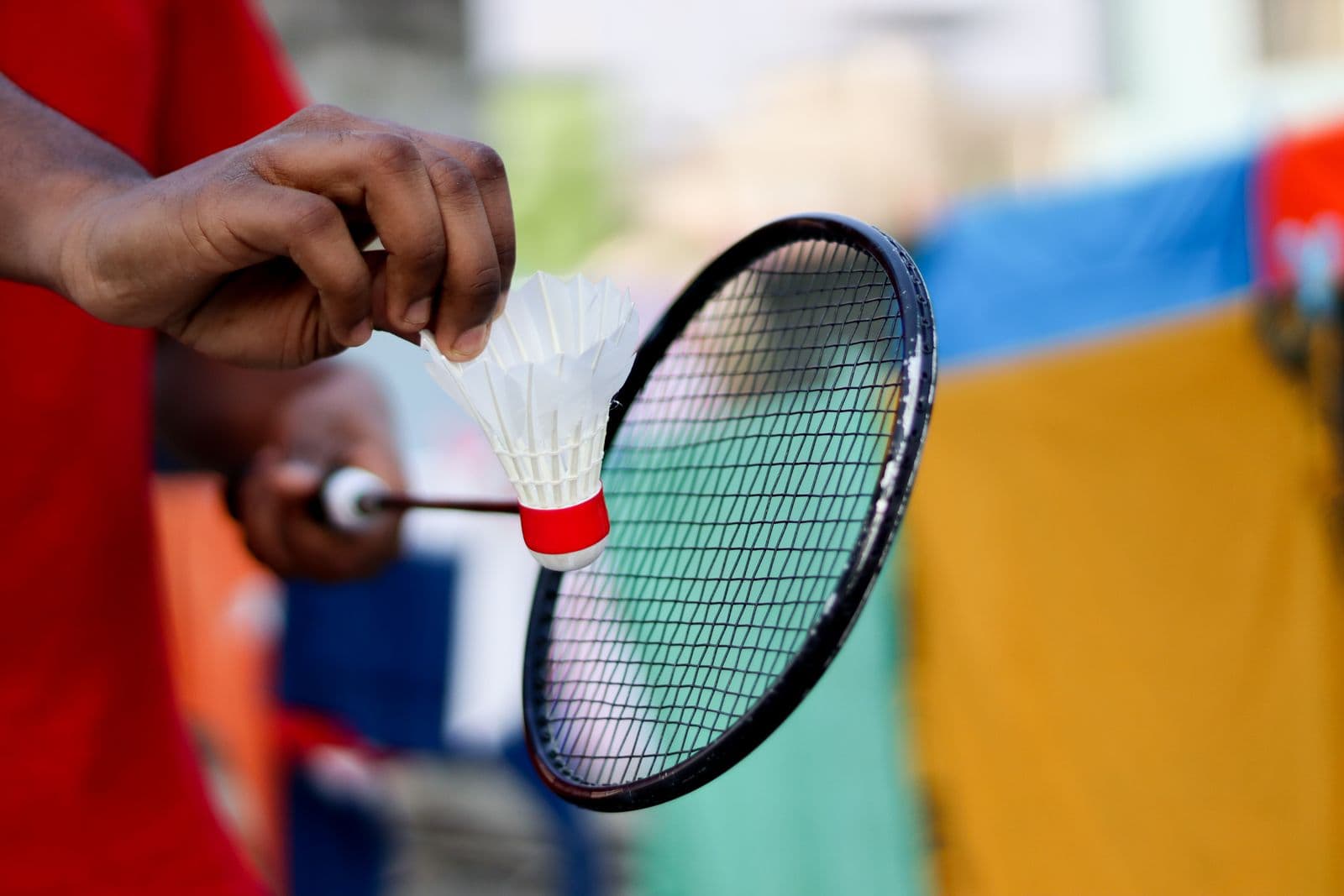
The arm that powers the sport
Badminton power is a magic trick: the racket weighs nothing, and the speed comes from a relaxed grip that snaps tight for a millisecond at contact — fingers and forearm, not shoulder and biceps. When the trick is done right, the arm tolerates astonishing volume. When it's done wrong — gripping hard the whole rally, muscling smashes, flicking from a clenched wrist — the forearm tendons pay a tax on every shot, and the sport's injury surveys have logged the result for decades: the elbow and wrist are steady customers.
The outside-elbow pattern
Pain where the forearm meets the outside of the elbow, worse with gripping, backhands, and the morning coffee cup, is the tennis-elbow pattern — wrist-extensor tendons overworked by grip tension. Badminton's usual suspects:
- A death grip. The single biggest one. If your knuckles are white between shots, the extensors never rest.
- Grip size. Too small forces squeezing; a slightly larger grip or an overgrip often changes the math overnight.
- Volume spikes. New league, new coach, triple sessions — the load story applies to arms as much as calves.
The treatment evidence here is unusually crisp: in head-to-head trials, cortisone wins the first weeks and then loses the year — higher recurrence, worse long-term results — while progressive loading of the wrist extensors plus technique correction wins slow and keeps the win. Patience beats needles.
The wrist: snap economy
Smashes, flicks, and net kills all run through fast wrist and forearm rotation, and tendon overuse on the back or thumb side of the wrist builds the same way elbow pain does — volume plus tension. The rehab is the same family: calm the spike, load the rotation and flick patterns progressively, then re-add volume on a plan.
The one caution sign: pain on the pinky side of the wrist, with clicking or a giving-way feeling when you rotate the forearm — that pattern can involve the TFCC, the wrist's cartilage washer, and it earns an assessment before more play. Tendons tolerate "wait and load"; the TFCC pattern deserves a diagnosis first.
Fix the technique, keep the arm
A badminton-literate eye — coach or PT — looks for the same three things: grip tension between shots (relaxed is the goal), finger power instead of arm power at contact, and smash mechanics that use the whole chain rather than the forearm's last inch. Add year-round forearm and grip strength and most badminton arms stay boring for decades.
Pain that's outlasted three weeks, or any ulnar-side click: here's how to find a PT who knows court sports, what it costs, and Bay Area players can browse badminton-friendly PTs across the region.
Frequently asked questions
Sources (5)
- Jørgensen U, Winge S. Injuries in badminton. Sports Med. 1990. — Sports Med
- Coombes BK, et al. Effect of corticosteroid injection, physiotherapy, or both on clinical outcomes in patients with unilateral lateral epicondylalgia: a randomized controlled trial. JAMA. 2013. — JAMA
- Coombes BK, et al. Efficacy and safety of corticosteroid injections and other injections for management of tendinopathy: a systematic review of randomised controlled trials. Lancet. 2010. — Lancet
- AAOS OrthoInfo. Tennis elbow (lateral epicondylitis). — OrthoInfo
- MedlinePlus. Wrist injuries and disorders. — MedlinePlus
This article is for education only and isn't medical advice. Always talk to a licensed clinician about your specific situation.