
Returning to Cycling After an Injury: A Criteria-Based Plan
From trainer spins to group rides — milestones, not dates, and the confidence rebuild nobody schedules
Updated October 20262 minute read
Good returns to cycling are built on criteria, not calendars: pain-free daily life, strength work at meaningful load, then the trainer — cycling's built-in rehab gift — before short flat outdoor rides, duration, climbing and big gears, and group intensity last. Each step is judged by the 24-hour rule, and post-crash returns add one more track: rebuilding confidence on quiet roads, which is rehab, not a character flaw.
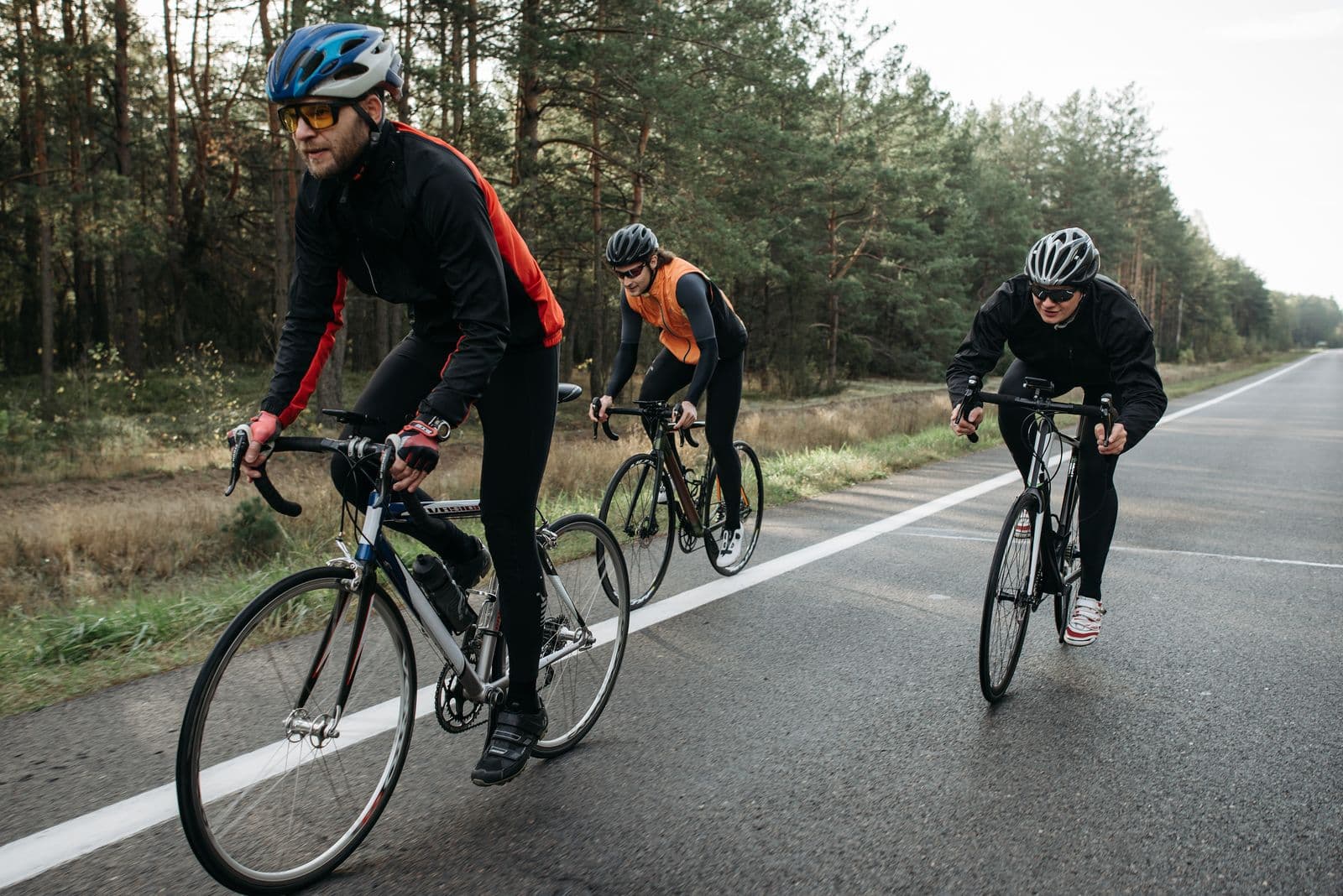
Criteria, not calendars
"Six weeks off, then try a ride" is how comebacks turn into relapses. Return-to-sport research keeps landing on the same principle: tissues and nerves earn each next step by passing the one before it. Cycling is actually the luckiest sport in rehab — the trainer gives you a perfectly controlled first step most athletes don't have.
(Coming back to the sport after years away rather than from a specific injury? The comeback logic in the running version adapts well; the milestones below still apply, just with more patience per step.)
The milestones, in order
- Pain-free daily life. Stairs, sitting, a full workday — quiet. Until ordinary life is calm, riding isn't the conversation.
- Strength work at meaningful load. Whatever the injury, the tissue shows it's ready by handling gym load first — tested numbers, not feelings. The cyclist's strength basics double as the test battery.
- The trainer. Two or three short, easy, high-cadence spins — 20–30 minutes, conversational effort, nothing brave. This is cycling's rehab gift: all the motion, none of the traffic.
- Short flat outdoor rides. Quiet roads or paths, 30–45 minutes, easy gears. Handling, vibration, and real-world posture come back online here.
- Duration. Extend ride time roughly 10–20% per step, easy pace, flat-ish routes. Boring on purpose.
- Climbing and big gears. Low-cadence force is the biggest ask you can make of knees and backs — it unlocks after duration is easy.
- Group rides and intensity last. Surges, sprints, and someone else's pace are the final exam, not the warm-up.
The 24-hour rule and the flare protocol
Every step gets the same referee: how is it the next morning? Settled by 24 hours — the step stands. Equal or worse — repeat the previous level. And when a flare happens (it usually does once), drop back two steps, not to zero, hold until the 24-hour rule passes twice, then climb again. A weekly flare-and-reset cycle means the plan or the diagnosis needs professional eyes.
Per-injury wrinkles
- Knee trouble (the cycling knee guide): high cadence and easy gears are your friends longest; climbing and pushing big gears come back last. A fit check belongs in the plan, not after the relapse.
- Neck and back (the position guide): ride time is the budget — raise the bars temporarily, shorten sessions, and let duration be the last thing you reclaim.
- Post-crash / post-clavicle: cleared motion and strength come before road vibration, drops, and out-of-saddle work. Have a shop check the bike too — bent hangers and shifted saddles cause their own injuries. And ride the confidence rebuild on quiet roads deliberately.
Getting help
A cycling-literate PT turns this template into your plan — which milestone you're actually at, the strength targets, and the fit variables worth changing. Evaluations run $125–$250 cash-pay ($175–$275 in the Bay Area; what PT costs, often partly recoverable via superbill). Here's how to find one who speaks bike, and Bay Area riders can browse cycling-friendly PTs by region.
Frequently asked questions
Because the trainer removes every variable except the one you're testing. No traffic, no balance demands, no surprise hills, and you can stop the moment something talks. Two or three short easy spins indoors buy information the road can't give you safely — it's the cycling equivalent of the walk-before-run rule.
Sources (5)
- Ardern CL, et al. 2016 Consensus statement on return to sport from the First World Congress in Sports Physical Therapy. Br J Sports Med. 2016. — BJSM
- Silbernagel KG, et al. Continued sports activity, using a pain-monitoring model, during rehabilitation in patients with Achilles tendinopathy. Am J Sports Med. 2007. — AJSM
- Clarsen B, et al. Overuse injuries in professional road cyclists. Am J Sports Med. 2010. — AJSM
- Lauersen JB, et al. The effectiveness of exercise interventions to prevent sports injuries: systematic review and meta-analysis. Br J Sports Med. 2014. — BJSM
- Gabbett TJ. The training-injury prevention paradox: should athletes be training smarter and harder? Br J Sports Med. 2016. — BJSM
This article is for education only and isn't medical advice. Always talk to a licensed clinician about your specific situation.