
Shin Splints: Symptoms, Causes & How Physical Therapy Helps
That aching inner shin after runs, hikes, or court sports — and how to make it stop coming back
Updated October 20262 minute read
Shin splints (medial tibial stress syndrome) is an overload irritation where muscle and bone lining meet along the inner shin. It follows spikes in impact activity — more miles, more hills, new sport, harder surfaces — and physical therapy resolves most cases in 4–8 weeks with load management and progressive strengthening. The key job is ruling out its more serious cousin, the stress fracture.
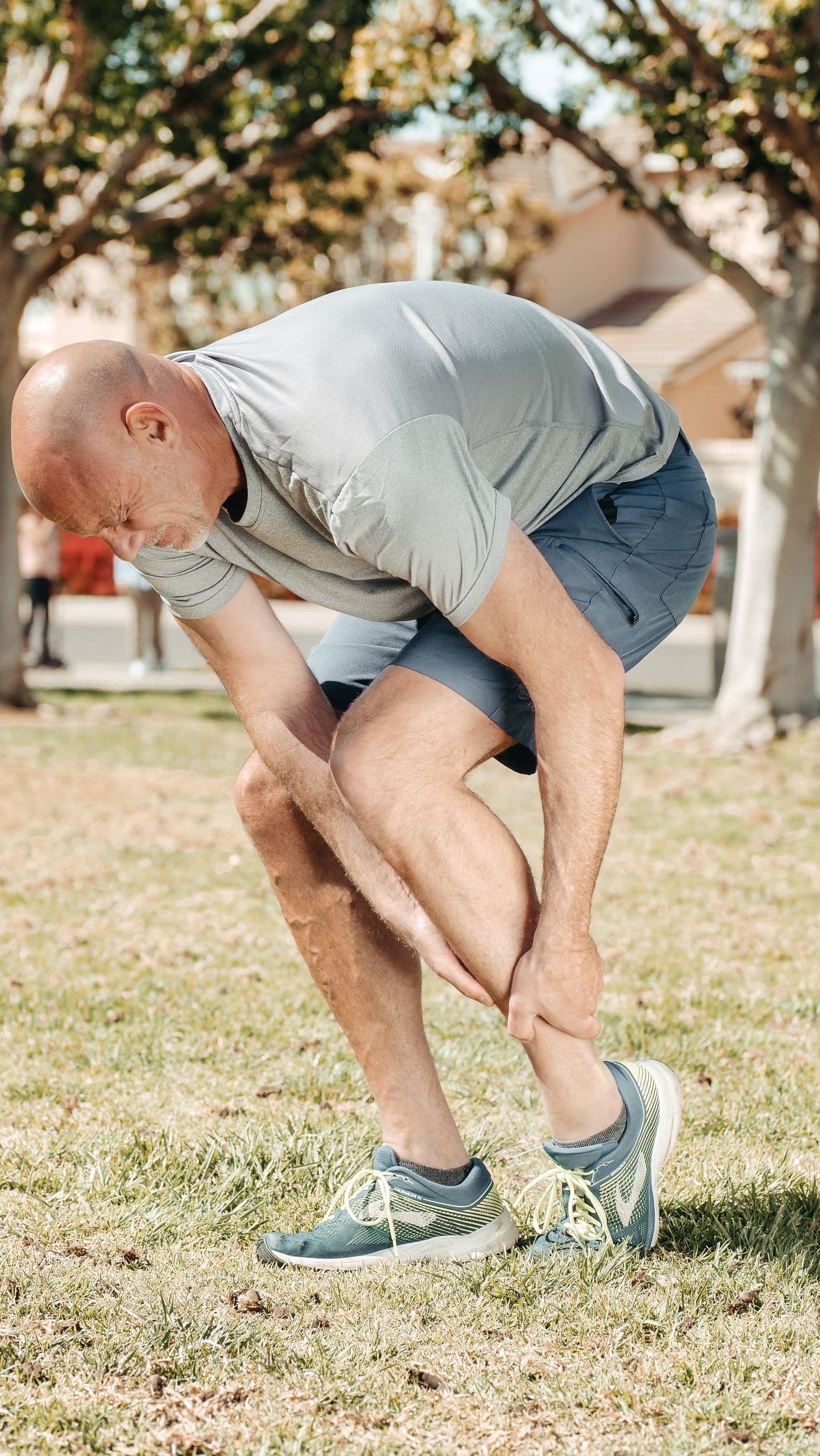
What shin splints actually are
Shin splints — medial tibial stress syndrome, formally — is an irritation where the calf muscles and the lining of the shinbone meet, along the inner edge of the tibia. When impact load rises faster than that tissue can adapt, it gets inflamed and sore. Runners are the classic patients, but hikers on downhill miles, dancers, and anyone starting basketball, volleyball, or boot-camp classes on hard floors show up with the same problem.
It sits on a spectrum: at one end, an annoyed bone lining; at the far end, a stress fracture. Most shin splints never progress — but that's the distinction worth taking seriously.
Symptoms: how to know if you have it
- A dull ache along the inner shin, spread over a palm-width or more — not one pinpoint spot
- Worst at the start of activity, often easing as you warm up, then grumbling for hours afterward
- Tender to the touch along the inner bone edge
- Both legs are affected surprisingly often
The pattern that is not shin splints: pain you can cover with a fingertip, that worsens the longer you go, or that aches at night. That needs a stress-fracture conversation — runners can triage their symptoms with the shin pain guide.
What causes them
Almost always a load spike the tissue wasn't ready for: a jump in weekly mileage, a new sport on hard courts, a hilly race build, a return from time off at old volumes. Contributing factors PTs actually find and fix: low calf and foot strength relative to the load, overstriding at low cadence, and sometimes footwear that's genuinely worn out — though shoes matter less than marketed.
How physical therapy treats shin splints
The plan has two tracks running at once. First, calm it down: trim impact volume to a level that keeps pain mild and settling within a day — flat, softer routes and sometimes a short spell of cross-training in place of some sessions. Second, build it up: progressive calf raises (straight and bent knee), foot intrinsic work, hip strength, and — for runners — often a modest cadence bump to cut per-step load. Expect one or two visits a week with a home program carrying most of the work.
How long recovery takes
Most cases settle in 4–8 weeks; long-standing ones take longer. The bigger win is the relapse rate: shin splints that get strengthened stay gone far more reliably than shin splints that get rested.
When to see someone
Book an evaluation if the ache has lasted more than two to three weeks, is forcing you to change how you move, or keeps returning every time activity ramps up — and promptly if pain is becoming focal, present at rest, or waking you at night. In most states you can see a PT directly without a referral; evaluations run $125–$250 cash-pay, and reimbursement often applies. Bay Area runners can browse running-focused PTs by region.
Frequently asked questions
Sources (5)
- Winters M, et al. Treatment of medial tibial stress syndrome: a systematic review. Sports Med. 2013. — PubMed
- Moen MH, et al. Medial tibial stress syndrome: a critical review. Sports Med. 2009. — PubMed
- Lee I, et al. How Medial Tibial Stress Syndrome Is Affected by Alignment, Range of Motion, Strength, and Gait Biomechanics: A Systematic Review and Meta-Analysis. J Sport Rehabil. 2025. — J Sport Rehabil
- AAOS OrthoInfo. Shin splints. — OrthoInfo
- MedlinePlus. Leg injuries and disorders. — MedlinePlus
This article is for education only and isn't medical advice. Always talk to a licensed clinician about your specific situation.