
Cross-Training for Injured Runners: Keeping Fitness When You Can't Run
Pool running, cycling, elliptical, and incline walking — matched to what your injury tolerates
Updated October 20262 minute read
Most running injuries don't require rest — they require different load. Pool running preserves running fitness best, cycling and elliptical work are close behind, and the right choice depends on the injury: bone stress needs non-impact work, irritated tendons often tolerate the bike, and kneecap pain depends on setup. Convert run sessions by effort and duration, not pace, and most runners return having lost far less fitness than they feared.
Injured rarely means resting
The instinct when something hurts is to stop everything and wait. For most running injuries that's both unnecessary and counterproductive — tissues heal better under the right dose of load, and total rest mostly deconditions the rest of you. The real question isn't whether to train, it's which load your injury tolerates this week. (First, make sure you've sorted what you can and can't run through.)
The options, ranked by running-specificity
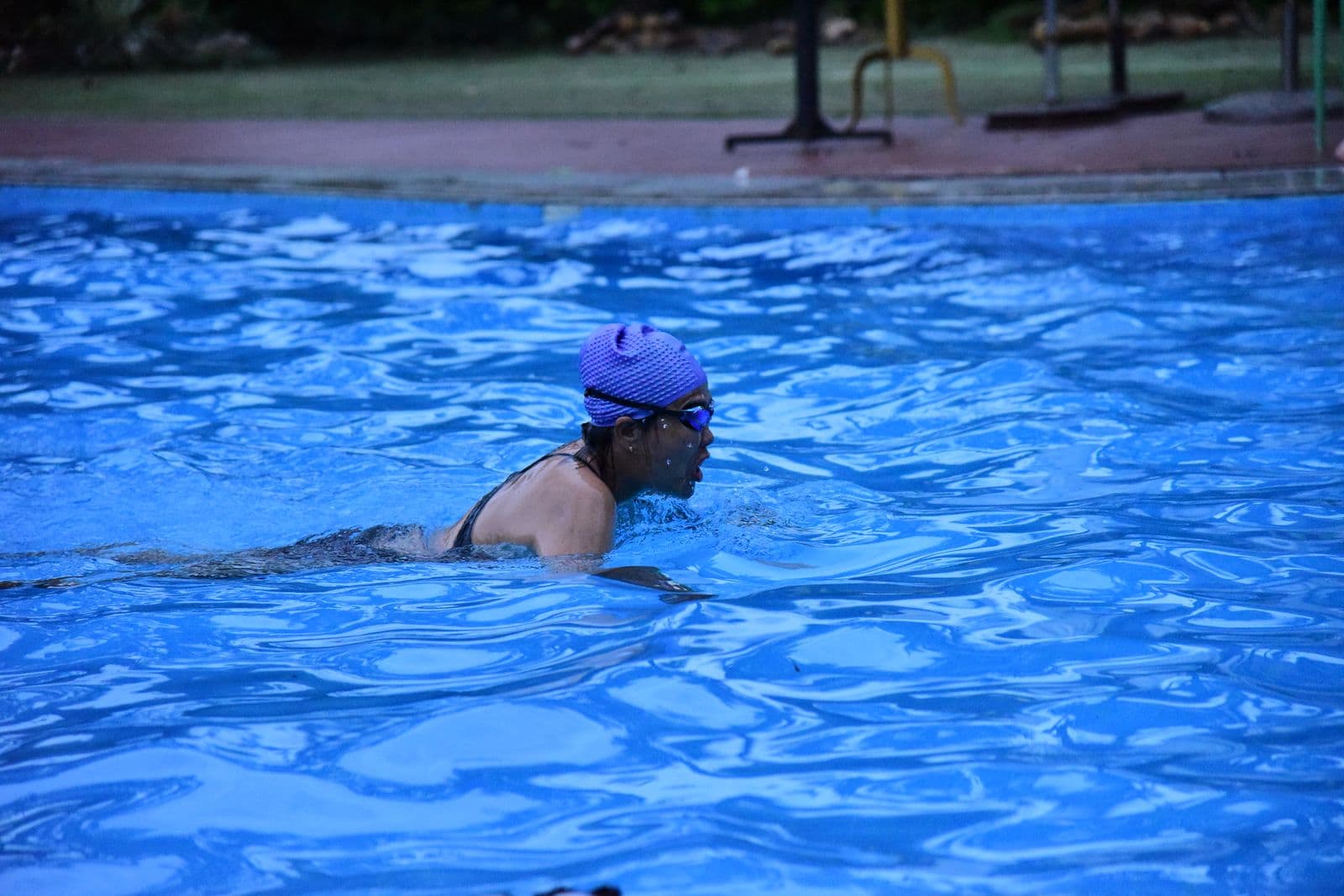
Pool running (aqua jogging). The gold standard for injured runners: same movement pattern, same cadence, zero impact. Use a flotation belt, mimic your run posture, and structure it as intervals. This is the default for injuries that rule out impact entirely.
Cycling. Widely available, easy to dose precisely, and hard enough to protect fitness. Less specific than pool running but far more sustainable for most people.
Elliptical. A middle ground — upright, rhythmic, mild load without impact. Good when the bike position aggravates something or you want something closer to running posture.
Incline treadmill walking. Underrated late-stage option: real weight-bearing at low impact. Steep incline at a brisk walk produces a surprisingly honest heart rate and starts re-loading tissues gently — often the bridge back to running.
Match the machine to the injury
- Bone stress injuries (see stress fractures in runners): strictly non-impact first — pool or bike — with weight-bearing reintroduced only on a graded plan. This is the one category with no gray area.
- Tendon problems (Achilles, and plantar fasciitis behaves similarly): often tolerate cycling well, since pedaling loads the tendon gently through limited range. Pair with the heavy-slow loading in your rehab plan — cross-training replaces running volume, not rehab.
- Kneecap pain (runner's knee): setup-dependent. A too-low saddle turns the bike into a knee-compression machine; raise it and keep resistance moderate. Elliptical is usually friendly. Deep-knee-bend positions are the thing to avoid.
- Shin pain (the sorting guide): treat it like bone until proven otherwise — non-impact first.
Converting run sessions: effort × duration, not pace
Paces mean nothing on a bike or in a pool, so convert by effort and time: your 40-minute easy run becomes 40 minutes of genuinely easy cross-training; 6 × 3 minutes hard becomes 6 × 3 minutes hard, same recoveries, judged by breathing or heart rate. Keep your weekly structure — hard days, easy days, long session — and total training time roughly steady. Fitness follows effort and duration; it has no idea what machine you were on.
The sanity clause
Nobody cross-trains for the love of the elliptical. Its real product is psychological: structure, endorphins, and the identity of someone in training rather than someone broken. That matters for rehab compliance more than most exercises do. Find the least-hated option and make it routine.
One caution: cross-training can become sophisticated avoidance. If you're six weeks into pool running but haven't started the strength work that actually fixes the problem — or never got the problem assessed — the cross-training is managing your anxiety, not your injury. The combination that works is rehab plus cross-training plus a criteria-based return plan.
A running-focused PT sets all three in one or two visits ($125–$250 for an evaluation, what PT costs — most plans reimburse part of it via superbill). Bay Area runners can start with the Bay Area running PT directory.
Frequently asked questions
Sources (5)
- Reilly T, et al. The physiology of deep-water running. J Sports Sci. 2003. — J Sports Sci
- Silbernagel KG, et al. Continued sports activity, using a pain-monitoring model, during rehabilitation in patients with Achilles tendinopathy. Am J Sports Med. 2007. — AJSM
- Warden SJ, et al. Management and prevention of bone stress injuries in long-distance runners. J Orthop Sports Phys Ther. 2014. — JOSPT
- Lauersen JB, et al. The effectiveness of exercise interventions to prevent sports injuries: systematic review and meta-analysis. Br J Sports Med. 2014. — BJSM
- MedlinePlus (National Library of Medicine). Sports Injuries. — MedlinePlus
This article is for education only and isn't medical advice. Always talk to a licensed clinician about your specific situation.