
Running Gait Analysis: What It Is and Whether It's Worth It
What actually happens, what it costs, and when it changes your treatment
Updated October 20262 minute read
A running gait analysis is a slow-motion video assessment of how you run, usually on a treadmill, paired with a strength and mobility exam. Done by a physical therapist, it typically costs $150–$350 cash-pay and is most valuable when you have a recurring injury or a big training goal — less so as a routine checkup for a healthy, happy runner.
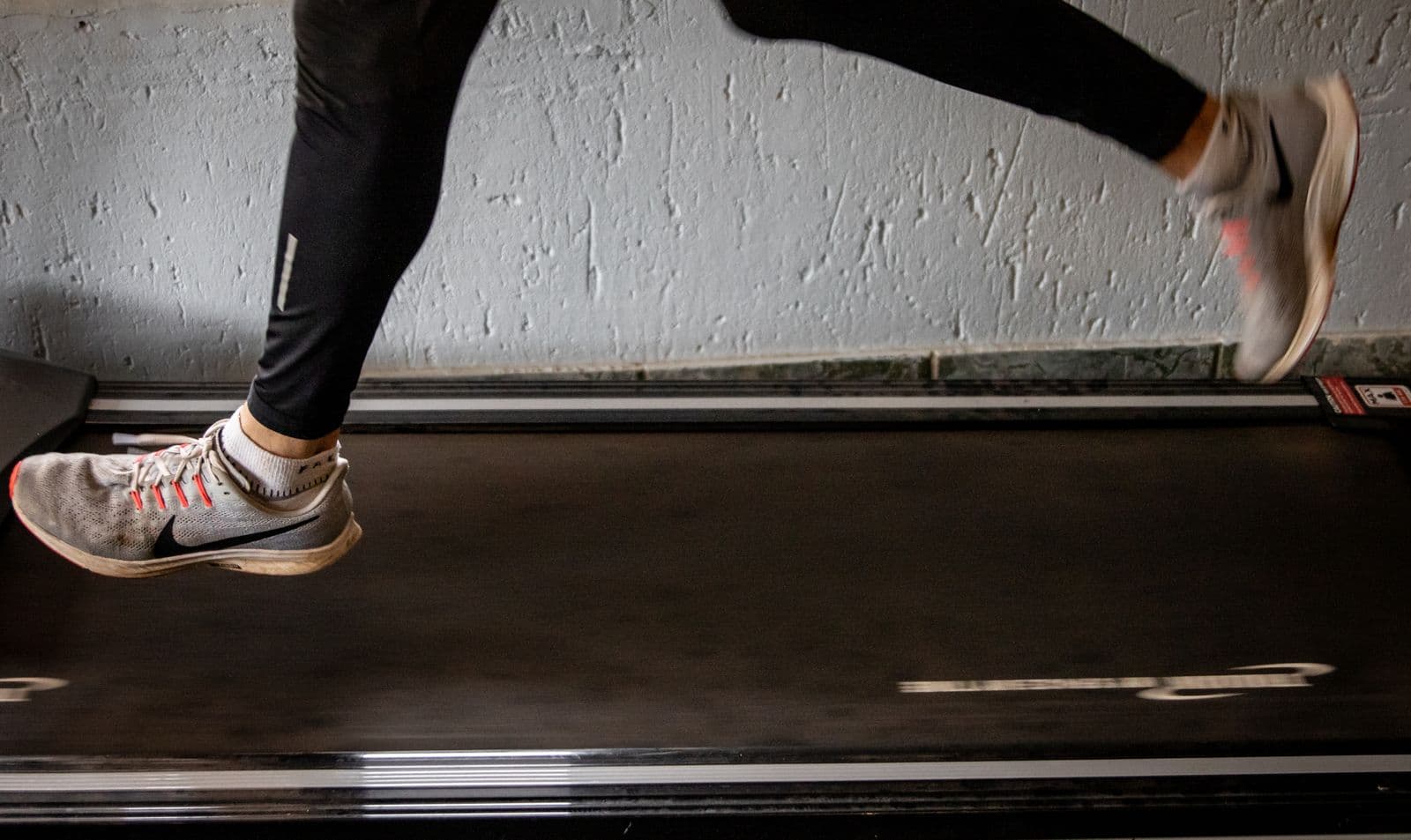
What a gait analysis actually is
A running gait analysis is a structured look at how your body runs: a physical therapist films you on a treadmill from multiple angles, slows the video down, and measures things like cadence (steps per minute), where your foot lands relative to your body, how much your pelvis drops each stride, and how your knees track. The good ones pair the video with a hands-on strength and mobility exam — because what you see on video is often caused by something the video can't show, like a weak hip that lets the knee collapse inward.
You leave with specific findings ("low cadence, overstriding, left hip drop") and a plan: form cues, strength targets, and sometimes a gait retraining program.
What it costs
Cash-pay, expect $150–$350 depending on your market and how deep the assessment goes — treadmill video only at the low end, full biomechanical workup with force measurement at the high end. When it's part of a PT evaluation for an actual injury, it's usually folded into the standard evaluation fee ($125–$250 in most cities) rather than billed separately.
Who actually benefits
A gait analysis earns its price when something specific is going on:
- A recurring injury — the same shin splints or runner's knee coming back every time you ramp up mileage
- An injury that isn't resolving with standard rehab
- A big jump in goals — first marathon, triathlon training on tired legs, a high schooler adding track to cross country
- Returning after a long break and wanting to rebuild on good mechanics — pair it with the return-to-running guide
If you're healthy, uninjured, and progressing happily, the honest answer is you don't need one — put the money toward strength training instead.
What the research says — and doesn't
Video gait analysis reliably identifies the handful of form factors that matter (cadence, overstriding, hip control), and gait retraining has decent evidence for specific conditions — particularly kneecap pain and recurring shin problems. What it can't do is predict injuries in healthy runners or prescribe one "correct" running form; the evidence doesn't support either. A PT who promises your form score will injury-proof you is overselling it.
Shoe-store analysis vs. PT analysis
The free treadmill lap at a running store is a shoe-fitting tool — useful for picking between shoe categories, not for diagnosing anything. A PT analysis differs in every way that matters: whole-body video, strength and mobility testing, your injury history on the table, and a treatment plan at the end. If pain is part of the story, start with the PT, not the shoe wall.
Want one? Look for a running-focused PT — here's how to vet them — and if you're local, the Bay Area guide covers what to expect from clinics here, with a browsable list of running-focused PTs across the region.
Frequently asked questions
Sources (5)
- Souza RB. An Evidence-Based Videotaped Running Biomechanics Analysis. Phys Med Rehabil Clin N Am. 2016. — PubMed
- Barton CJ, et al. Running retraining to treat lower limb injuries: a mixed-methods study. Br J Sports Med. 2016. — BJSM
- Heiderscheit BC, et al. Effects of step rate manipulation on joint mechanics during running. Med Sci Sports Exerc. 2011. — MSSE
- Moore IS. Is there an economical running technique? A review of modifiable biomechanical factors affecting running economy. Sports Med. 2016. — Sports Med
- Willy RW, et al. Patellofemoral Pain: Clinical Practice Guidelines. J Orthop Sports Phys Ther. 2019. — JOSPT
This article is for education only and isn't medical advice. Always talk to a licensed clinician about your specific situation.