
How to Find a Physical Therapist Who Actually Works With Runners
The credentials, questions, and red flags that separate a running PT from a generalist
Updated October 20262 minute read
A running-focused PT treats runners every week, watches you run as part of the exam, and builds a plan around your training calendar instead of telling you to stop. You can book one directly in most states — no referral needed — and cash-pay pricing means you pick the specialist, not whoever is in-network.
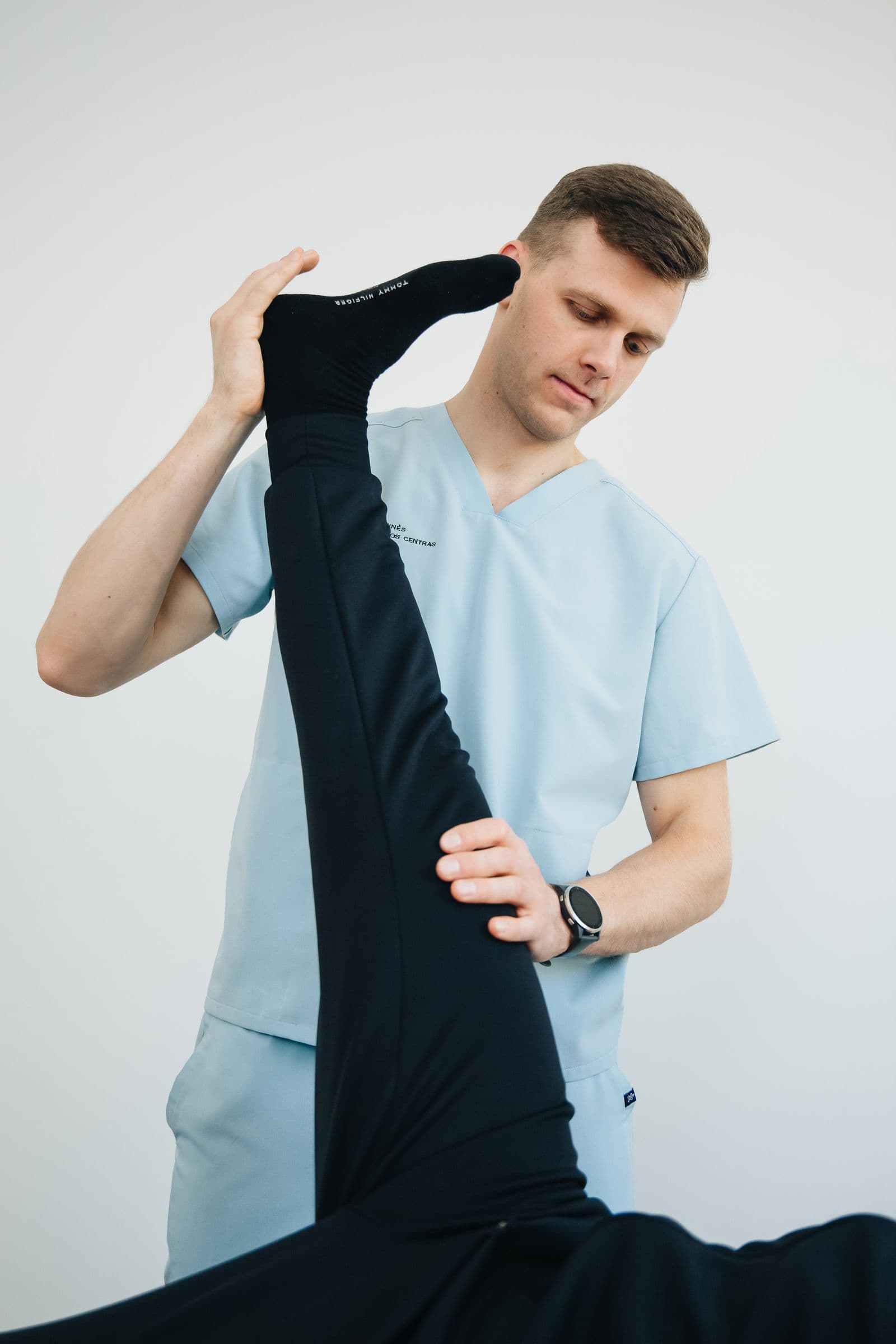
Why "runner's PT" is a real specialty
Any licensed PT can treat a running injury. But runners present differently: the injuries are overuse patterns, not accidents; the goal is a race date, not just "pain-free"; and the treatment plan has to coexist with training. A PT who sees runners every week knows how to modify your mileage instead of canceling it, and knows the difference between pain you can train through and pain you can't.
The practical test: does the PT watch you run? A running-focused evaluation almost always includes watching you on a treadmill or outside — sometimes a full gait analysis. If running never comes up in the exam, you're in the wrong clinic.
What to look for
- Caseload, not just credentials. Ask "how many runners do you treat in a typical week?" The answer tells you more than any certificate.
- Credentials that signal investment: SCS (sports specialist), OCS (orthopedic specialist), or running-specific coursework. See PT credentials decoded for what the letters mean.
- One-on-one sessions. Cash-pay running PTs typically spend the full 45–60 minutes with you — no handoff to an aide for the exercise portion.
- A return-to-running philosophy. Good answer: "we keep you running at whatever level the tissue tolerates and build back up." Bad answer: "stop running until it stops hurting."
Questions to ask before booking
- How many runners do you treat each week?
- Will you watch me run as part of the evaluation?
- Can I keep training during rehab, and will you adjust my plan around my race calendar?
- What does a typical plan of care look like for my problem — visits, cost, timeline?
- Do you provide a superbill for out-of-network reimbursement?
Red flags
- Telling you to stop running entirely before anyone has examined you
- Identical exercise sheets for every runner regardless of diagnosis
- No interest in your training history, mileage, or race goals
- Pushing passive-only care (heat, ultrasound, massage) with no loading plan
Why cash-pay works in your favor here
Insurance networks pick your PT by contract, not by specialty. Paying directly means you choose the person who treats runners all day — and in most states you can book without a referral. Many plans still reimburse part of the cost after you submit a superbill.
Training in the Bay Area? We've mapped the local scene — prices, races, and how to pick — in the Bay Area runner's guide, and you can browse every running-focused PT in the region when you're ready to compare.
Frequently asked questions
Sources (6)
- APTA. Direct Access by State: physical therapist direct access laws summary. — APTA
- Physical Therapy Board of California. Direct access to physical therapist services (Business and Professions Code §2620.1). — PTBC
- Souza RB. An Evidence-Based Videotaped Running Biomechanics Analysis. Phys Med Rehabil Clin N Am. 2016. — PubMed
- IRS. Publication 502: Medical and Dental Expenses. — IRS
- APTA ChoosePT. Patient guides to conditions, treatments, and finding a physical therapist. — ChoosePT
- Barton CJ, et al. Running retraining to treat lower limb injuries: a mixed-methods study of current evidence synthesised with expert opinion. Br J Sports Med. 2016. — Br J Sports Med
This article is for education only and isn't medical advice. Always talk to a licensed clinician about your specific situation.